The United States immigration court system faces an unprecedented crisis that has become a defining challenge for federal policymakers and presidential administrations alike. With millions of cases pending resolution, the immigration court backlog explained reveals systemic inefficiencies that have accumulated over decades of policy changes, resource constraints, and enforcement priorities. Understanding this complex issue requires examining how immigration courts function, why cases pile up faster than they can be resolved, and what political decisions have contributed to the current situation affecting immigrants, legal professionals, and government agencies throughout the nation.
The Scale of the Immigration Court Backlog
The immigration court backlog has reached staggering proportions in 2026, representing one of the most significant administrative challenges in the federal justice system. According to USAFacts analysis tracking immigration judge caseloads, pending cases grew nearly sixfold from fiscal year 2015 to 2024, reaching 3.9 million cases. This exponential growth has created waiting periods that can extend for years, leaving immigrants in legal limbo while straining court resources beyond capacity.
Current Statistics and Trends
The numbers paint a troubling picture of a system unable to keep pace with incoming cases:
- 3.9 million pending cases as of late 2024
- Average wait times exceeding four years in many jurisdictions
- Over 600 immigration judges handling caseloads that far exceed manageable levels
- Geographic disparities with some courts facing decade-long backlogs
Individual immigration judges now manage caseloads averaging thousands of cases each, creating impossible workloads that compromise the quality of justice delivered. The backlog continues growing despite efforts to hire additional judges and streamline procedures.
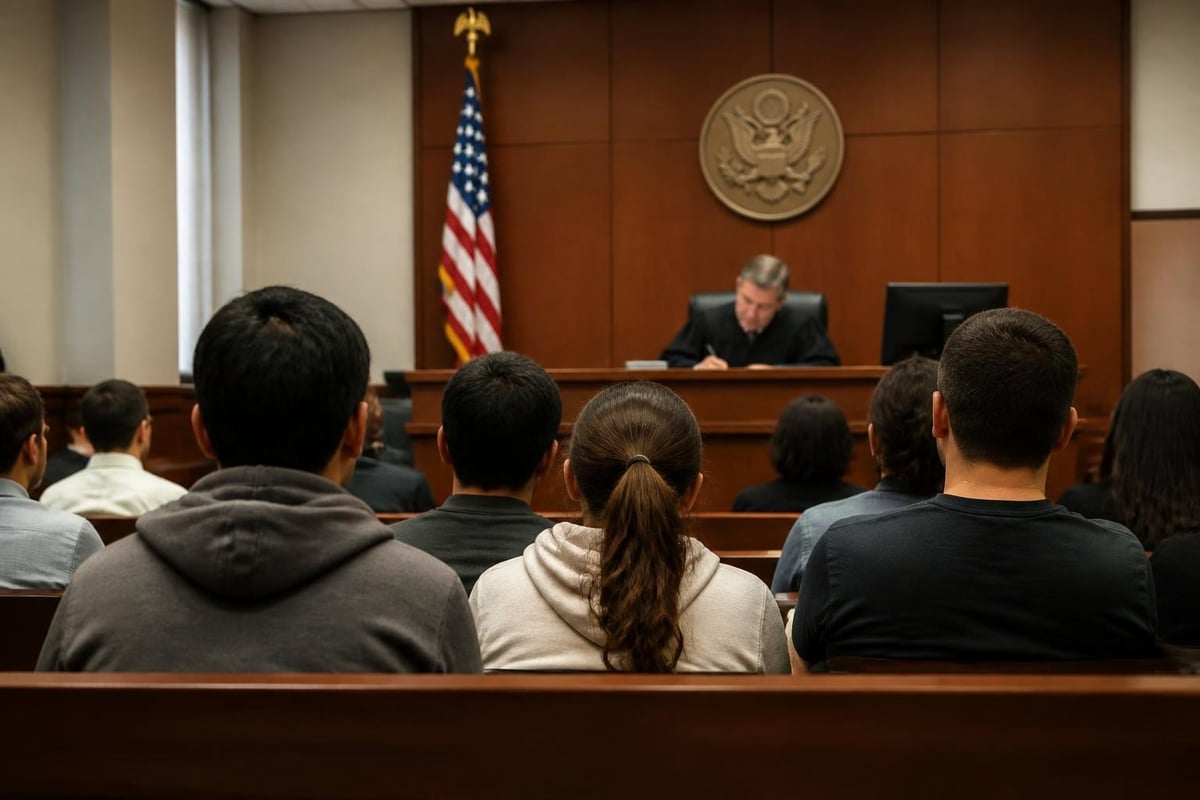
Regional Variations in Case Backlogs
Immigration courts across the country face dramatically different challenges based on geographic location and local enforcement patterns. Courts in border states like Texas, California, and Arizona handle substantially higher volumes than those in interior states, creating regional disparities in wait times and case outcomes.
| Region | Approximate Pending Cases | Average Wait Time | Key Factors |
|---|---|---|---|
| Southwest Border | 1.5 million+ | 5-7 years | High border apprehensions |
| New York/New Jersey | 500,000+ | 4-6 years | Dense urban population |
| Southeast | 400,000+ | 3-5 years | Increased enforcement |
| Midwest | 200,000+ | 2-4 years | Growing immigrant communities |
These variations reflect both immigration patterns and enforcement priorities that have shifted across different presidential administrations, making the immigration court backlog explained through a regional lens essential for understanding the full scope of the crisis.
Root Causes Behind the Growing Backlog
Multiple interconnected factors have contributed to the exponential growth of pending immigration cases, with policy decisions made by successive presidential administrations playing crucial roles. The Niskanen Center’s examination of immigration court backlog causes identifies increased enforcement actions and limited judicial resources as primary drivers, but the reality encompasses broader systemic issues.
Enforcement Policy Changes
Presidential immigration policies have directly influenced case volumes entering the court system. Increased border enforcement operations, workplace raids, and expanded detention practices have all contributed to surging caseloads. Each apprehension potentially generates a court case, and when enforcement intensifies without corresponding increases in judicial capacity, backlogs inevitably grow.
Different administrations have prioritized enforcement differently, creating waves of cases that strain an already overburdened system. Immigration and Customs Enforcement (ICE) operations under various presidents have generated hundreds of thousands of new court cases annually, while the judicial infrastructure has expanded at a much slower pace.
Insufficient Judicial Resources
The immigration court system operates under the Executive Office for Immigration Review (EOIR), part of the Department of Justice rather than an independent judiciary. This structure creates unique challenges:
- Limited hiring authority constrained by budget allocations
- Inadequate support staff for judges managing complex caseloads
- Outdated technology systems that slow case processing
- Insufficient courtroom facilities in high-volume areas
Budget requests from presidential administrations often fall short of what's needed to address the backlog effectively. Even when Congress approves funding for additional judges, the hiring and training process can take years, during which the backlog continues growing.
Impact on Immigration Proceedings and Outcomes
The massive backlog fundamentally alters how immigration courts function and affects outcomes for individuals navigating the system. Immigration court statistics compiled by Docketwise demonstrate how prolonged wait times influence case resolutions, legal representation rates, and ultimate decisions on asylum and deportation cases.
Effects on Asylum Seekers
Individuals seeking asylum face particularly acute challenges when the immigration court backlog explained includes multi-year delays. Those fleeing persecution must wait years for their claims to be heard, during which they exist in legal uncertainty. Many cannot work legally or reunite with family members, creating humanitarian concerns that transcend the administrative challenges.
The extended waiting periods also affect case outcomes, as evidence can become stale, witnesses may relocate or become unavailable, and changing country conditions can impact asylum eligibility. Presidential policies regarding asylum processing have varied significantly, with some administrations expanding pathways while others have implemented restrictions that further complicate an already complex system.
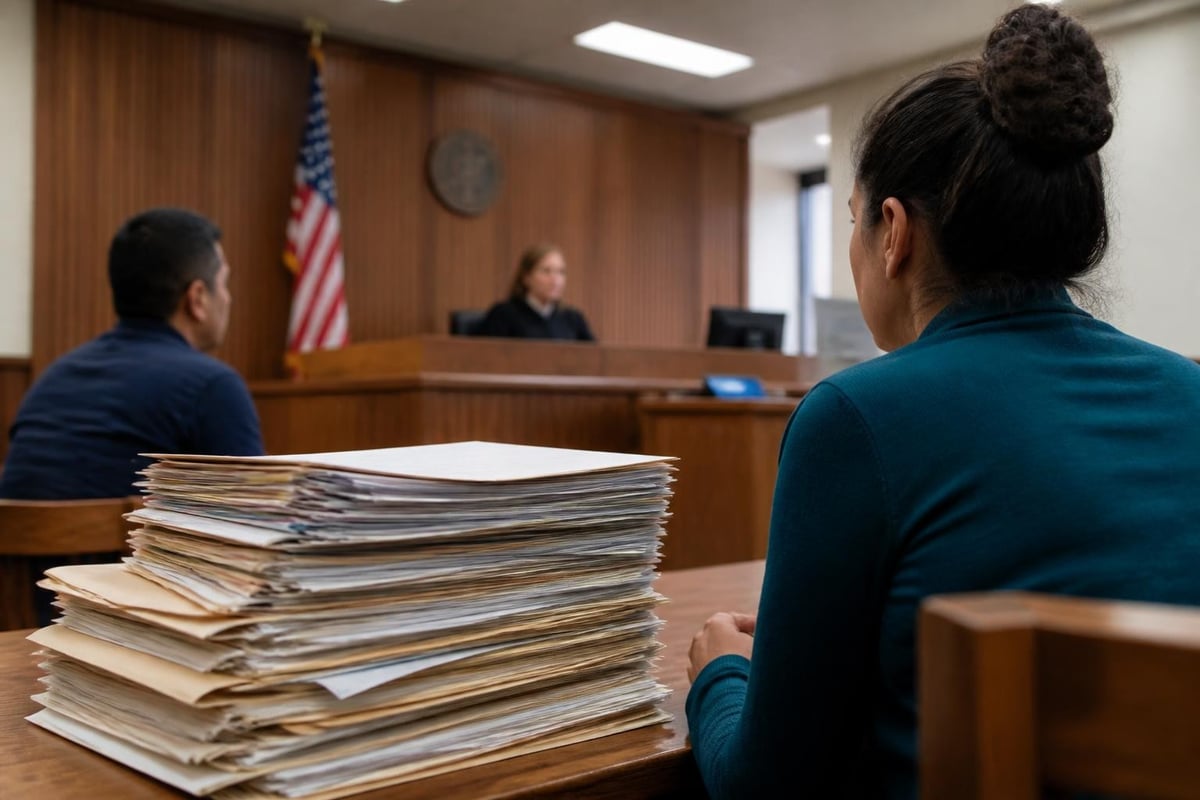
Consequences for Due Process
Extended backlogs raise serious due process concerns that have attracted attention from legal advocates and constitutional scholars. When cases take years to resolve, fundamental fairness questions emerge:
Detention scenarios: Individuals held in immigration detention facilities may wait months or years for their court dates, raising questions about prolonged detention without timely adjudication.
Access to counsel: Long delays make it harder for immigrants to maintain relationships with legal representation, as attorneys may retire, relocate, or become unavailable during multi-year case timelines.
Evidence preservation: Witness testimony, documentary evidence, and country condition reports can all become outdated during extended delays, potentially affecting case outcomes.
Presidential Policies and the Court Backlog
Every presidential administration since the early 2000s has grappled with the immigration court backlog, each implementing different strategies with varying degrees of success. The intersection of presidential policy decisions and immigration court capacity has become a critical area for analysis and debate.
Administrative Approaches to Backlog Reduction
Presidential administrations have attempted various strategies to address the growing caseload:
- Hiring initiatives: Appointing additional immigration judges to increase processing capacity
- Case prioritization: Implementing systems to fast-track certain case categories while delaying others
- Streamlining procedures: Establishing policies aimed at reducing hearing continuances and administrative delays
- Technology investments: Modernizing court systems to improve efficiency
- Alternative resolution programs: Creating pathways for case closure outside traditional adjudication
These efforts have produced mixed results, with some initiatives showing promise while others have inadvertently contributed to backlogs. The immigration court backlog explained through policy history reveals how administrative priorities can either alleviate or exacerbate the crisis.
Border Policy Impact
Presidential decisions regarding border security and immigration enforcement have perhaps the most direct impact on court backlogs. Policies ranging from "remain in Mexico" programs to catch-and-release practices each generate different volumes and types of court cases.
The OpenImmigration analysis of the backlog crisis highlights how policy changes since 2022 have contributed to surges in pending cases, demonstrating the direct connection between executive branch decisions and judicial workload.
| Presidential Policy Area | Impact on Backlog | Implementation Challenges |
|---|---|---|
| Border apprehension protocols | High volume of new cases | Resource allocation |
| Asylum processing changes | Case complexity increases | Legal challenges |
| Prosecutorial discretion | Potential case reduction | Political opposition |
| Immigration judge hiring | Long-term capacity growth | Budget constraints |
Proposed Solutions and Reform Efforts
Addressing the immigration court backlog requires comprehensive reform that balances enforcement priorities with judicial capacity. Policymakers, legal experts, and immigration advocates have proposed numerous solutions, though political disagreement has stalled many reform efforts.
Structural Reforms
Fundamental changes to how immigration courts operate could address systemic inefficiencies:
- Independent Article I court system: Removing immigration courts from DOJ oversight to create an independent judiciary
- Administrative closure authority: Allowing judges greater discretion to close low-priority cases
- Expanded settlement authority: Creating mechanisms for resolving cases without full hearings
- Regional specialization: Designating courts to handle specific case types based on expertise
These structural changes would require congressional action, making them subject to the political dynamics that have historically prevented comprehensive immigration reform. Presidential support for such measures varies significantly across administrations.
Technological Innovation
Modern case management systems could dramatically improve court efficiency. Current proposals include:
Electronic filing systems that reduce paperwork and processing delays
Virtual hearings allowing judges to conduct proceedings remotely when appropriate
Automated scheduling that optimizes court calendars and reduces continuances
Digital evidence management streamlining how documents are submitted and reviewed
Investment in these technologies requires sustained funding commitments from presidential budget requests and congressional appropriations, areas where political gridlock often hampers progress on immigration matters.
The Human Cost of Delays
Beyond statistics and policy debates, the immigration court backlog explained must account for the human impact on millions of individuals and families. Extended case timelines affect employment prospects, family unity, and mental health for those navigating the system.
Family Separation Issues
Immigration court delays often extend family separations for years. Parents waiting for asylum hearings may be unable to bring children to safety, while families face uncertainty about whether they can remain together in the United States. These prolonged separations create developmental challenges for children and psychological stress for entire families.
Presidential policies regarding family-based immigration and humanitarian parole can either mitigate or worsen these separations, making executive branch decisions critically important for thousands of families annually.
Economic Implications
The backlog creates significant economic consequences for both immigrants and the broader economy:
- Lost productivity: Immigrants unable to work legally represent unrealized economic potential
- Legal costs: Extended cases generate higher attorney fees and court costs
- Detention expenses: Government spending on immigration detention facilities continues during delays
- Business uncertainty: Employers face challenges when workers have unresolved immigration status
Presidential economic policy discussions increasingly recognize these costs, though solutions remain elusive amid competing priorities and political constraints.
Looking Forward: The Path to Resolution
Resolving the immigration court backlog requires sustained commitment from presidential administrations, congressional action, and systemic reforms that address root causes rather than symptoms. The comprehensive overview of systemic inefficiencies demonstrates that piecemeal solutions cannot adequately address the scale of the crisis.
Multi-Year Implementation Strategy
Realistic backlog reduction requires a coordinated approach spanning multiple presidential terms:
Year 1-2: Emergency hiring of immigration judges and support staff, technology system upgrades, pilot programs for alternative resolution
Year 3-5: Structural reforms implementation, expanded court facilities, comprehensive case review and prioritization
Year 6-10: System stabilization, ongoing capacity adjustments, evaluation of reform effectiveness
This timeline acknowledges that no single presidential term can fully resolve decades of accumulated backlog, requiring bipartisan commitment to sustained reform efforts.
Role of Presidential Leadership
The immigration court backlog explained ultimately centers on presidential priorities and leadership. Executive branch decisions determine enforcement levels, judicial hiring, budget requests, and policy frameworks that either alleviate or worsen the backlog. Presidential commitment to comprehensive solutions, backed by congressional cooperation, represents the most viable path toward meaningful progress.
Future administrations must balance enforcement objectives with judicial capacity, recognizing that the court system serves as a critical component of immigration policy rather than an afterthought to enforcement operations.
The immigration court backlog represents one of the most pressing administrative challenges facing the federal government, with implications extending far beyond the courts themselves to affect families, communities, and national policy priorities. As presidential administrations continue grappling with this crisis, informed citizens need access to comprehensive, non-partisan analysis of how policy decisions impact real outcomes. U.S. Presidential Report provides the latest developments on presidential immigration policies, court reform efforts, and political debates shaping the future of America's immigration system, helping readers stay informed about the decisions that affect millions of lives.