The relationship between the presidency and the Supreme Court has always been a defining feature of American constitutional democracy, but few administrations have generated as much discussion about judicial influence as the Trump era. From 2017 through 2021, President Trump appointed three justices to the nation's highest court, fundamentally altering its ideological composition and creating ripple effects that continue to shape legal precedents, executive power, and public perception of judicial independence. Understanding trump and the supreme court influence requires examining not only the appointments themselves but also the subsequent rulings, institutional tensions, and broader implications for the separation of powers that define American governance.
The Three Appointments That Reshaped the Court
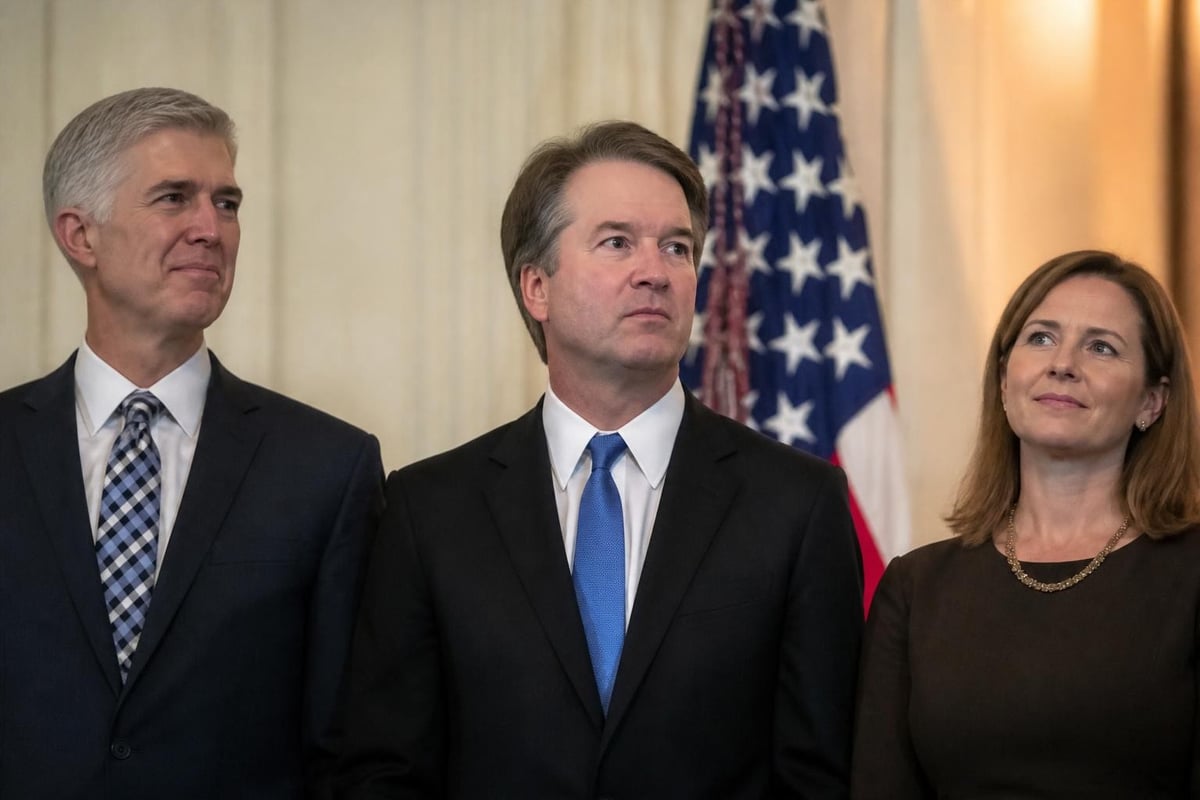
President Trump's opportunity to appoint three Supreme Court justices in a single term represented a generational shift in judicial philosophy. These appointments created a 6-3 conservative majority that has influenced decisions across constitutional law, administrative authority, and executive power.
The three appointments included:
- Neil Gorsuch in 2017, filling the seat left vacant by Justice Antonin Scalia's death
- Brett Kavanaugh in 2018, replacing retiring Justice Anthony Kennedy
- Amy Coney Barrett in 2020, succeeding Justice Ruth Bader Ginsburg
The speed and strategic timing of these confirmations generated significant political controversy. Senate Republicans blocked President Obama's nomination of Merrick Garland in 2016, arguing that Supreme Court vacancies should not be filled during an election year. However, they confirmed Barrett just weeks before the 2020 presidential election, highlighting the intensely political nature of modern judicial appointments.
Judicial Philosophy and Originalism
Trump's nominees shared a commitment to originalism and textualism, judicial philosophies that interpret the Constitution according to its original meaning and statutes based on their plain text. This approach often leads to skepticism of administrative agencies and support for executive authority when grounded in constitutional powers.
The influence of the Federalist Society, a conservative legal organization, proved instrumental in shaping these selections. Trump outsourced much of his judicial vetting process to this network, ensuring ideological consistency across his appointments. This strategy delivered results that continue influencing legal precedents years after his presidency ended.
Executive Power and Presidential Authority
One of the most significant aspects of trump and the supreme court influence involves rulings on executive power. The conservative majority has issued decisions that both support and constrain presidential authority, creating a complex legal landscape.
| Case Area | Ruling Direction | Impact on Executive Power |
|---|---|---|
| Independent Agencies | Pro-Executive | Expanded removal authority over agency leaders |
| Emergency Powers | Mixed | Limited tariff authority but expanded other powers |
| Immigration | Generally Pro-Executive | Upheld travel restrictions and border policies |
| Administrative State | Constraining | Reduced agency discretion through major questions doctrine |
The Court's decision allowing presidents to remove leaders of independent agencies represents a substantial expansion of executive control over the administrative state. This ruling overturned nearly a century of precedent that had insulated certain agency heads from presidential removal without cause.
However, the Supreme Court has also checked presidential overreach, particularly when Trump attempted to use emergency powers beyond their statutory limits. Justice Elena Kagan emphasized the Court's role in maintaining constitutional boundaries, even when ideologically aligned justices might personally favor executive expansion.
Tensions Between Branches and Constitutional Boundaries
The relationship between trump and the supreme court influence has not been uniformly harmonious. Despite appointing three justices, Trump has publicly criticized the Court when it ruled against his preferred outcomes.
Trump’s sharp criticism of the Supreme Court following a tariff ruling demonstrated that even justices he nominated would not serve as rubber stamps for presidential preferences. The Court declared his use of emergency powers to impose certain tariffs unconstitutional, prompting a frustrated public response that revealed tensions between the executive and judicial branches.
Key Areas of Judicial-Executive Tension
- Emergency powers and national security declarations
- Immigration enforcement and border policies
- Congressional subpoenas and executive privilege
- Election-related lawsuits and vote counting procedures
These conflicts illustrate a fundamental principle: Supreme Court justices, once appointed, operate independently of the presidents who nominated them. While ideological alignment influences judicial reasoning, constitutional interpretation and institutional loyalty to the Court itself shape decisions in ways that sometimes surprise appointing presidents.
Public Confidence and Institutional Legitimacy
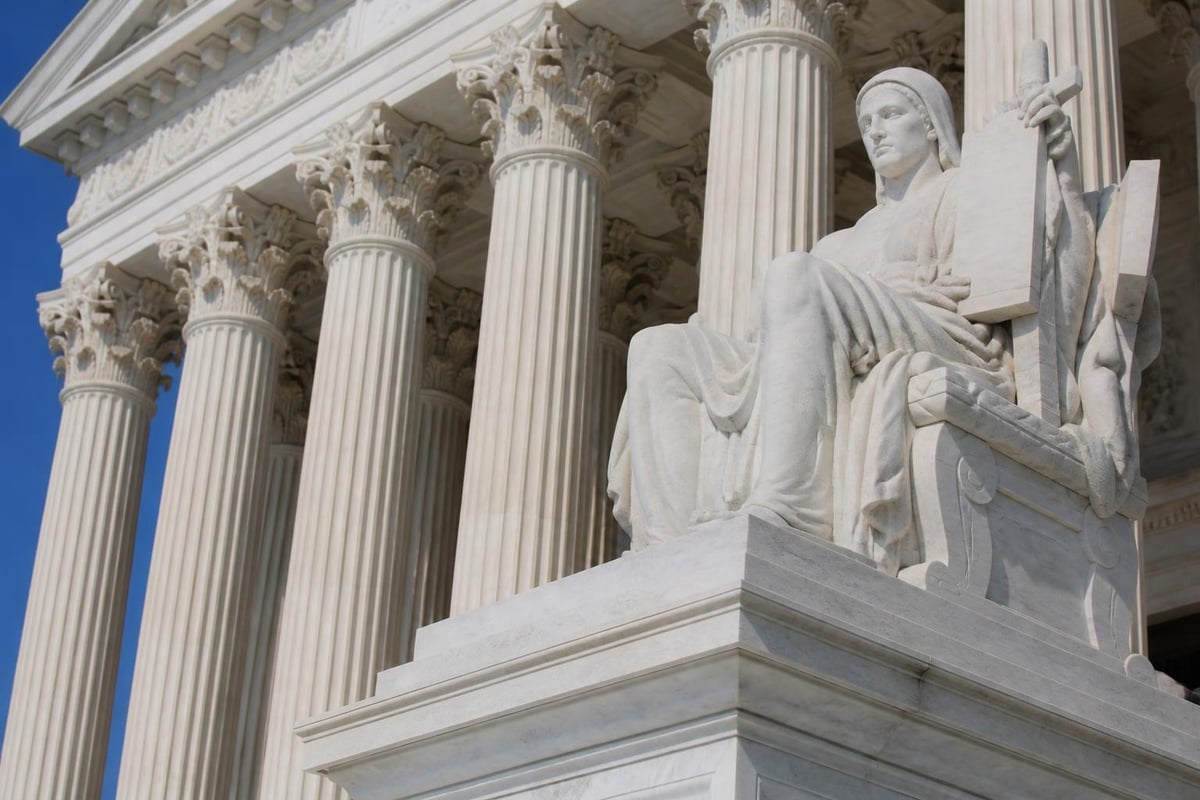
Perhaps the most concerning long-term consequence of trump and the supreme court influence involves declining public trust in the judiciary. Polling data reveals significant erosion of confidence in the Supreme Court, with many Americans perceiving the institution as increasingly politicized rather than impartial.
Factors contributing to declining confidence include:
- The partisan nature of confirmation battles, particularly for Kavanaugh and Barrett
- High-profile reversals of long-standing precedents
- Ethical controversies surrounding individual justices
- Public statements by political leaders characterizing justices as "Trump's judges" or "Biden's judges"
This erosion of institutional legitimacy poses risks for democratic governance. When citizens view the judiciary as merely another political actor rather than a neutral arbiter of constitutional questions, compliance with unpopular decisions becomes more challenging. The Court's authority rests partly on public acceptance of its legitimacy, making perception as important as legal reasoning.
The non-partisan coverage of these developments remains essential for informed citizenship. U.S. Presidential Report provides context about how presidential decisions shape judicial institutions across administrations.
The Administrative State and Regulatory Power
The conservative majority shaped by Trump's appointments has systematically reconsidered the relationship between federal agencies and presidential control. This represents one of the most significant areas where trump and the supreme court influence continues reshaping American governance.
The Major Questions Doctrine
The Court has increasingly embraced the major questions doctrine, requiring clear congressional authorization before agencies can make decisions of vast economic and political significance. This approach limits administrative discretion and forces controversial policy choices back to Congress.
| Administrative Area | Before Trump Appointments | After Trump Appointments |
|---|---|---|
| Environmental Regulation | Broad agency deference | Requires explicit authorization |
| Financial Oversight | Independent agency control | Enhanced presidential removal power |
| Healthcare Policy | Administrative flexibility | Congressional clarity required |
| Immigration Enforcement | Prosecutorial discretion | Limited administrative discretion |
Analysis of how the conservative majority supports executive actions reveals a nuanced approach that expands presidential control over agencies while simultaneously requiring stronger statutory foundations for major policy initiatives.
Religious Liberty and First Amendment Cases
Trump's appointees have consistently sided with expansive interpretations of religious liberty, often in cases involving conflicts between religious exercise and government regulations. These decisions reflect a judicial philosophy prioritizing individual rights against state action.
The Court has ruled in favor of religious organizations challenging pandemic restrictions, employees seeking religious exemptions from workplace requirements, and faith-based institutions resisting certain regulatory mandates. These rulings establish precedents that will influence church-state relations for decades.
Significant religious liberty developments include:
- Expanded exemptions from generally applicable laws
- Heightened scrutiny of government actions affecting religious exercise
- Protection for religious expression in public forums
- Limitations on government discrimination against religious organizations
These cases demonstrate how judicial appointments extend presidential influence far beyond a single administration. The principles established through these rulings will shape legal landscapes that future presidents must navigate, regardless of their own policy preferences.
Criminal Justice and Presidential Immunity
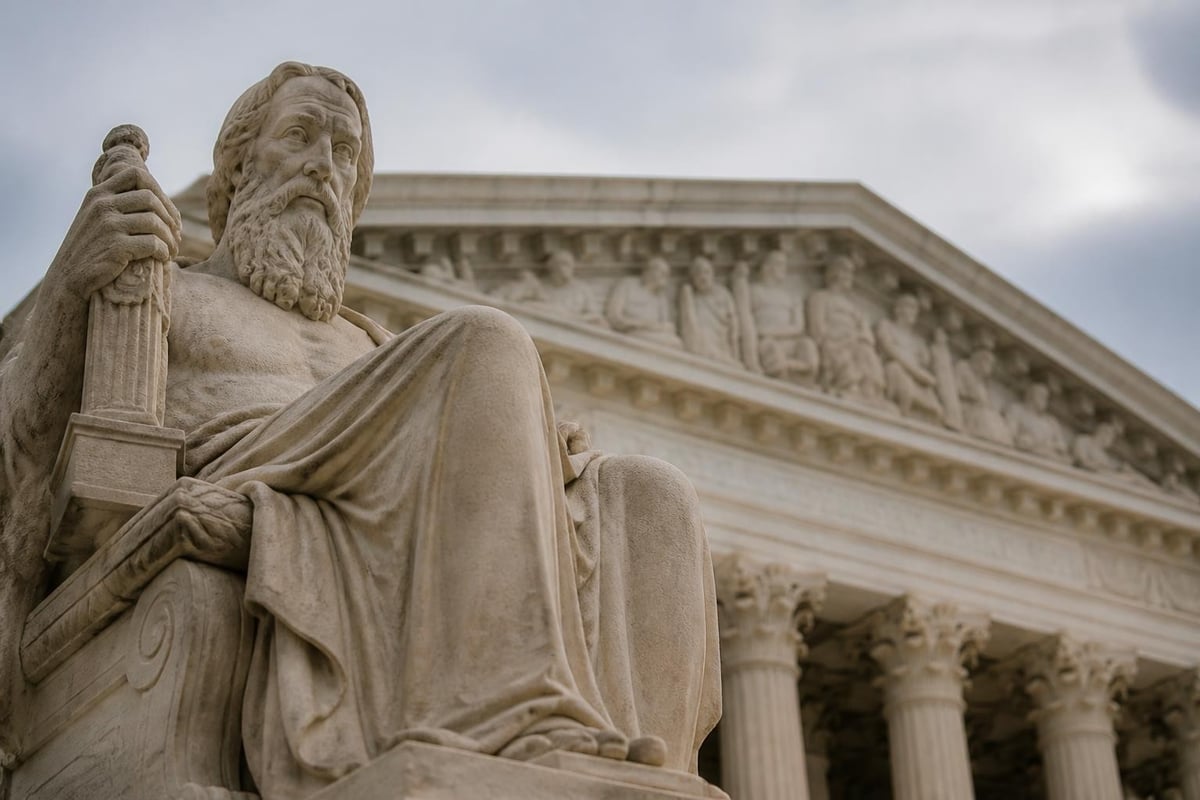
Recent developments concerning presidential immunity from criminal prosecution represent another dimension of trump and the supreme court influence. The Court has grappled with questions about whether former presidents can face prosecution for actions taken while in office, balancing accountability against concerns about criminalizing political differences.
These cases raise fundamental constitutional questions about executive power and accountability. The Court's conservative majority must weigh originalist principles about executive authority against practical concerns about placing presidents above the law. The resolutions of these issues will establish precedents affecting all future presidents, not just Trump.
Balancing Accountability and Executive Function
- Determining which presidential actions receive immunity protection
- Distinguishing official duties from personal conduct
- Protecting executive decision-making from politically-motivated prosecutions
- Preserving mechanisms for holding presidents accountable for genuine wrongdoing
The complexity of these issues illustrates why Supreme Court appointments matter so profoundly. Justices must apply constitutional principles to novel situations that the Framers could not have anticipated, making judicial philosophy and interpretive methodology crucial.
Impact on Future Presidential Administrations
The long-term consequences of trump and the supreme court influence extend well beyond Trump's own presidency. The three justices he appointed are relatively young and could serve for decades, shaping legal precedents that constrain and empower future presidents.
President Biden, for instance, has faced a Supreme Court shaped by his predecessor's appointments. This dynamic affects everything from COVID-19 policies to immigration enforcement, demonstrating how judicial appointments create institutional constraints on subsequent administrations.
Future presidents will navigate:
- Established precedents on executive authority and administrative power
- A conservative jurisprudential framework skeptical of expansive agency discretion
- Religious liberty protections that limit certain regulatory initiatives
- Enhanced presidential control over independent agencies
This judicial landscape will influence policy implementation regardless of which party controls the White House. Presidential ambitions must align with constitutional constraints as interpreted by a Court shaped by previous administrations.
The Selection Process and Institutional Norms
Trump's approach to Supreme Court nominations revealed and accelerated changes in institutional norms surrounding judicial appointments. The elimination of the filibuster for Supreme Court nominees, aggressive timelines for confirmation votes, and explicit ideological vetting have transformed how presidents approach vacancies.
These procedural changes mean that trump and the supreme court influence extends beyond the specific justices appointed to the very process by which future justices will be selected. Both parties now approach Supreme Court vacancies as existential political battles rather than occasions for evaluating judicial qualifications through deliberative processes.
The nationalization of confirmation battles, with massive fundraising and advertising campaigns, reflects the stakes involved. When single appointments can shift the Court's ideological balance for a generation, political actors mobilize accordingly. This reality has made judicial nominations among the most consequential presidential decisions, often influencing voter behavior in ways that domestic or foreign policy positions do not.
Comparative Historical Context
Placing trump and the supreme court influence in historical context reveals both continuities and departures from previous presidential relationships with the judiciary. Franklin Roosevelt attempted to pack the Court when it struck down New Deal legislation. Richard Nixon appointed four justices who shaped criminal procedure law. Ronald Reagan's appointments moved the Court rightward on issues from federalism to abortion.
What distinguishes the current era is the combination of factors: the speed of appointments, the ideological consistency of nominees, the explicit role of outside organizations in vetting candidates, and the Court's willingness to revisit long-standing precedents. These elements together create a uniquely powerful presidential influence on the judiciary.
The Senate's role has also evolved. Whereas previous eras saw significant bipartisan support for many Supreme Court nominees, recent confirmations have followed largely party-line votes. This polarization reflects broader political fragmentation but also raises questions about judicial legitimacy when justices appear as representatives of political factions rather than neutral legal experts.
The profound and lasting impact of trump and the supreme court influence demonstrates how presidential appointments shape American governance long after an administration ends. These judicial decisions affect executive power, regulatory authority, individual rights, and the balance between governmental branches in ways that ripple through the entire political system. For citizens seeking to understand how presidential actions shape the nation's legal framework across administrations, U.S. Presidential Report offers non-partisan analysis of Supreme Court developments, judicial appointments, and their implications for executive power and constitutional governance.