The First Amendment to the United States Constitution stands as one of the most fundamental protections in American democracy, yet its boundaries have been tested, refined, and redefined through countless legal battles. Free speech cases in America have shaped not only the legal landscape but also the cultural and political discourse of the nation. From the earliest challenges to government censorship to modern disputes over digital platforms and social media, these cases reveal the ongoing tension between individual expression and societal interests. Understanding these landmark decisions provides crucial insight into how presidential administrations, Congress, and the judiciary have navigated one of democracy's most essential freedoms.
Historical Foundations of Free Speech Jurisprudence
The evolution of free speech protections in America began long before the modern era, with early cases establishing foundational principles that continue to influence judicial decisions today. The Supreme Court's approach to First Amendment cases has transformed dramatically since the nation's founding, particularly during periods of political upheaval and national crisis.
The Clear and Present Danger Test
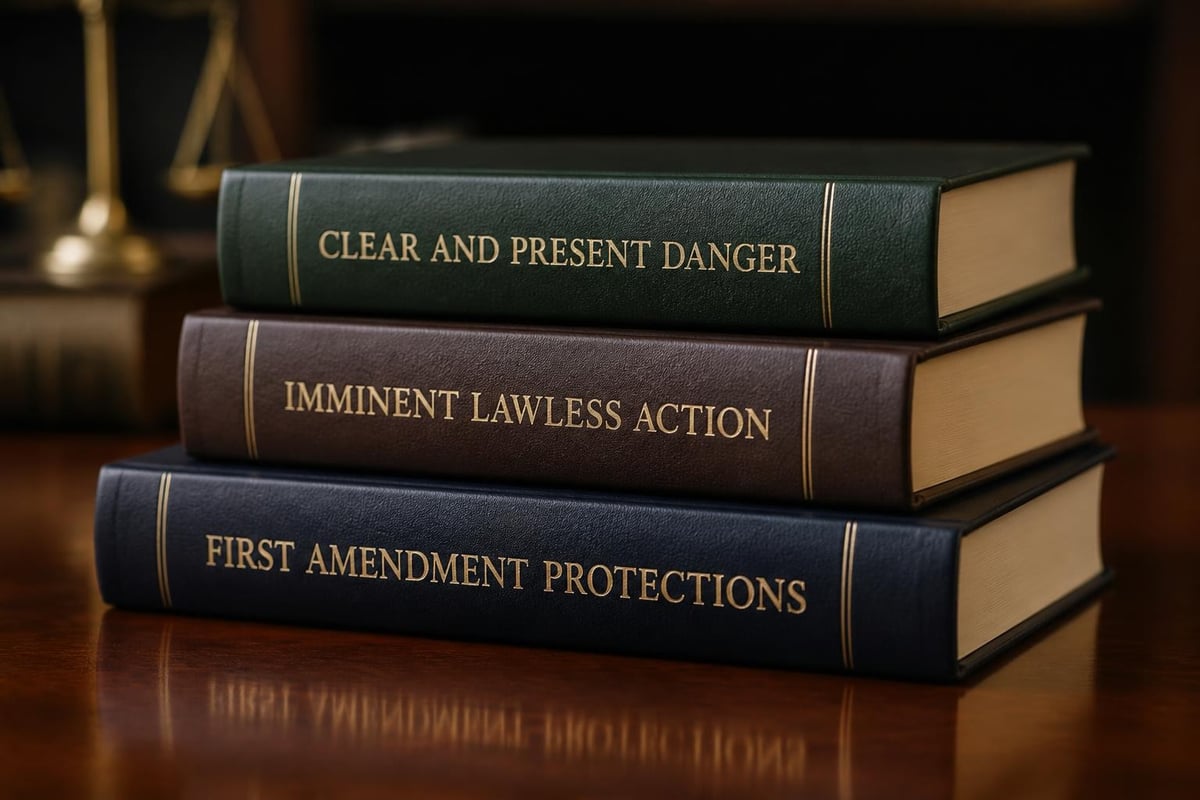
One of the earliest significant free speech cases in America emerged during World War I with Schenck v. United States (1919). Justice Oliver Wendell Holmes Jr. introduced the "clear and present danger" test, arguing that speech could be restricted when it posed an immediate threat to national security. This decision came during a period when the government aggressively prosecuted anti-war activists under the Espionage Act.
The case involved Charles Schenck, who distributed leaflets opposing the military draft. The Court unanimously upheld his conviction, establishing that constitutional protections have limits during wartime. However, this standard would later be refined and eventually replaced as courts grappled with balancing security concerns against individual liberties.
Brandenburg and the Imminent Lawless Action Standard
The watershed moment for modern free speech protection came in Brandenburg v. Ohio (1969), which established the imminent lawless action test. This case involved a Ku Klux Klan leader convicted under Ohio's criminal syndicalism statute for advocating violence during a televised rally.
The Supreme Court overturned the conviction, ruling that inflammatory speech could only be prohibited if it is:
- Directed at inciting imminent lawless action
- Likely to produce such action
- Specifically intended to cause immediate illegal conduct
This standard significantly expanded free speech protections and remains the governing precedent today. The ACLU has been involved in numerous cases that built upon this foundation, defending speech rights across the political spectrum.
Political Speech and Presidential Elections
Political expression receives the highest level of First Amendment protection, a principle that has profoundly influenced presidential campaigns and domestic policy throughout American history. Free speech cases in America involving political discourse have consistently reinforced the notion that robust debate about government and public officials is essential to democratic governance.
Campaign Finance as Free Speech
Citizens United v. Federal Election Commission (2010) represents one of the most controversial Supreme Court decisions in recent decades. The Court ruled that corporate and union spending on political campaigns constitutes protected speech under the First Amendment, striking down key provisions of the McCain-Feingold Act.
| Case Aspect | Majority Position | Dissenting View |
|---|---|---|
| Corporate Spending | Protected political speech | Corrupting influence on elections |
| Government Regulation | Unconstitutional restriction | Necessary to prevent corruption |
| Democratic Impact | Enhances marketplace of ideas | Distorts electoral process |
This decision fundamentally altered the landscape of presidential elections, enabling unlimited independent expenditures by corporations and unions. Critics argue it has amplified the influence of wealthy interests, while supporters contend it protects associational and expressive rights.
Defamation and Public Officials
The landmark case New York Times Co. v. Sullivan (1964) established the actual malice standard for defamation claims by public officials. This decision emerged from the civil rights movement when an Alabama official sued the newspaper over an advertisement containing minor factual errors about police actions against protesters.
The Supreme Court ruled that public officials must prove that defamatory statements were made with knowledge of their falsity or with reckless disregard for the truth. This higher burden protects vigorous debate about government officials and policies, directly impacting how media covers presidential administrations and federal investigations.
Student Speech and Educational Settings
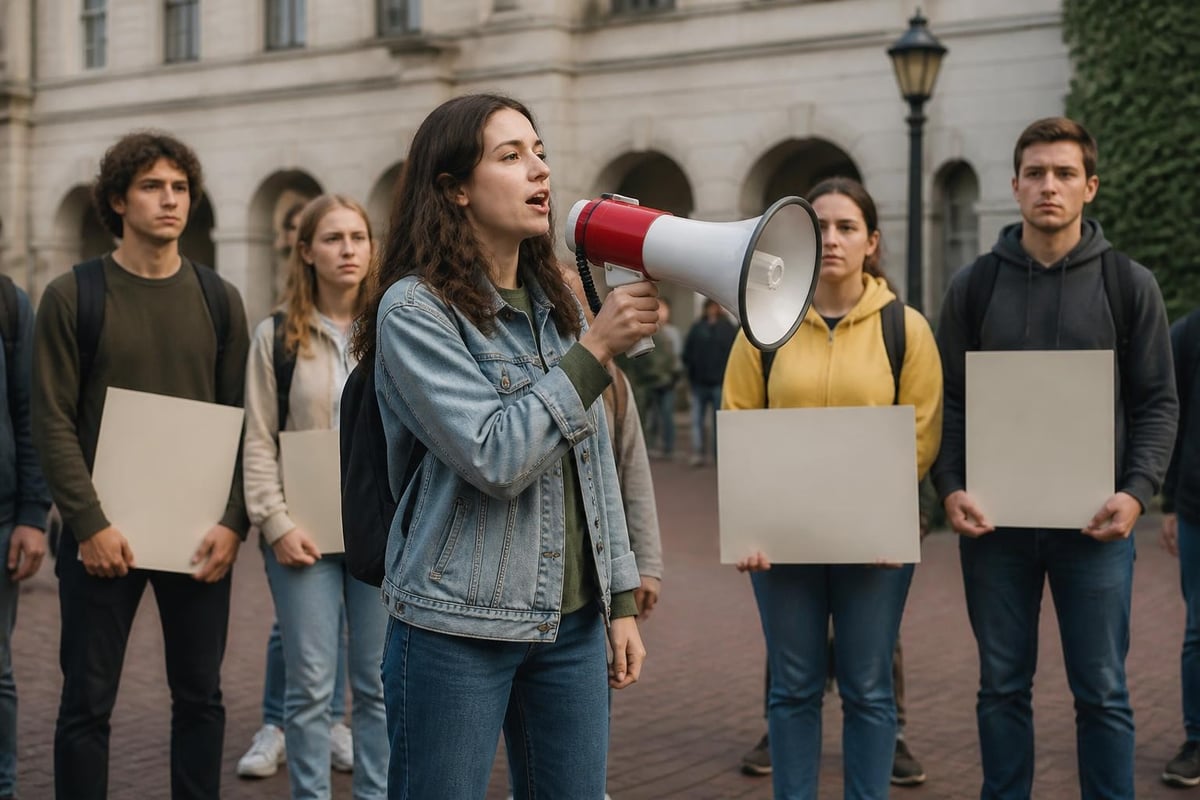
Educational institutions present unique contexts for free speech cases in America, as schools balance maintaining order with respecting constitutional rights. The Supreme Court has crafted specific doctrines for student expression that differ from protections afforded to adults in public forums.
The Tinker Standard and Its Limitations
Tinker v. Des Moines Independent Community School District (1969) established that students do not "shed their constitutional rights to freedom of speech or expression at the schoolhouse gate." The case involved students suspended for wearing black armbands to protest the Vietnam War.
Key principles from Tinker:
- Student speech is protected unless it materially disrupts school operations
- Schools cannot suppress speech merely because they disagree with it
- Students retain fundamental rights subject to special characteristics of the school environment
However, subsequent cases carved out exceptions to Tinker's broad protections. The University of Louisville outlines significant court cases demonstrating how these principles apply in various educational contexts.
Offensive Speech in Schools
Bethel School District v. Fraser (1986) permitted schools to restrict lewd or vulgar speech, even if not disruptive. The case involved a student disciplined for delivering a sexually suggestive nomination speech at a school assembly. The Court distinguished between political speech (protected under Tinker) and speech that undermines educational values.
Press Freedom and Government Censorship
Free speech cases in America involving the press have established critical protections against prior restraint and government censorship. These decisions have particularly significant implications for coverage of presidential administrations and national security matters.
The Pentagon Papers Case
New York Times Co. v. United States (1971) stands as a defining moment for press freedom. When the Times and Washington Post published classified documents about U.S. involvement in Vietnam, the Nixon administration sought to prevent further publication, claiming national security concerns.
The Supreme Court rejected the government's request for a prior restraint order, ruling 6-3 that the government failed to meet the heavy burden required to justify censorship. This decision reinforced that prior restraint is presumptively unconstitutional and that the press plays a vital checking function on government power.
This case had lasting implications for how media organizations approach reporting on classified information related to presidential decisions on foreign policy and national security.
Shield Laws and Reporter Privilege
While the Supreme Court ruled in Branzburg v. Hayes (1972) that journalists do not have an absolute constitutional privilege to refuse to testify before grand juries, many states have enacted shield laws providing varying degrees of protection. This ongoing tension affects investigative journalism about presidential administrations and government misconduct.
Commercial Speech and Advertising
The First Amendment also protects commercial speech, though to a lesser degree than political or artistic expression. Free speech cases in America involving advertising and commercial communications have developed a nuanced framework balancing consumer protection with business expression rights.
The Central Hudson Test
Central Hudson Gas & Electric Corp. v. Public Service Commission (1980) established a four-part test for evaluating commercial speech regulations:
- The speech must concern lawful activity and not be misleading
- The government must assert a substantial interest in regulation
- The regulation must directly advance that interest
- The restriction must be narrowly tailored to serve the interest
This framework allows greater regulation of commercial speech than pure political expression while still requiring meaningful First Amendment scrutiny. Courts apply this test to advertising restrictions, professional regulations, and business communications.
Modern Challenges: Digital Platforms and Social Media
The digital age has introduced unprecedented challenges for free speech jurisprudence. As social media platforms have become primary venues for public discourse, questions about content moderation, platform liability, and government involvement have generated new free speech cases in America.
Section 230 and Platform Immunity
The Communications Decency Act's Section 230 provides internet platforms immunity from liability for user-generated content while allowing them to moderate content. This provision has become central to debates about free speech online, with critics across the political spectrum calling for reforms.
Current debates surrounding Section 230:
- Whether platforms should lose immunity when they moderate content
- If government can compel platforms to host all lawful speech
- How to balance private property rights with public forum concerns
- Whether algorithmic curation constitutes editorial decision-making
The Foundation for Individual Rights and Expression analyzes free speech cases under the Roberts Court, including emerging digital speech issues that may reach the Supreme Court.
Government Pressure on Social Media
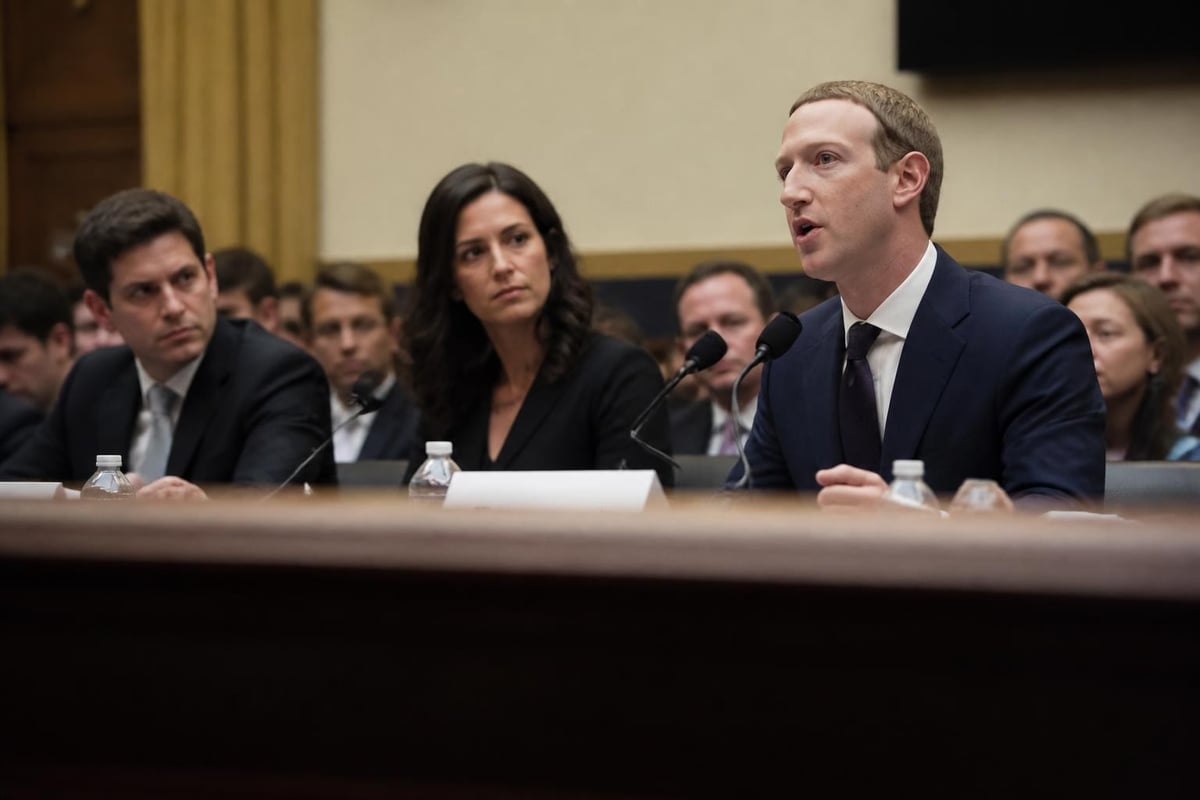
Recent controversies involving government officials pressuring social media companies to remove content have raised new constitutional questions. When does government encouragement of private censorship become unconstitutional state action? These issues intersect with presidential communications strategies and administration approaches to misinformation.
Hate Speech and Offensive Expression
Unlike many democracies, American law generally does not criminalize hate speech absent specific circumstances like true threats or incitement. This approach reflects a commitment to the principle that government should not determine which ideas are acceptable, though it generates ongoing controversy and free speech cases in America challenging these boundaries.
The Skokie Nazi March
National Socialist Party of America v. Village of Skokie (1977) tested whether governments could prevent offensive demonstrations. When a neo-Nazi group sought to march in Skokie, Illinois, a community with many Holocaust survivors, the village passed ordinances blocking the event.
Courts ultimately sided with the Nazi group's First Amendment rights, reasoning that even deeply offensive speech receives constitutional protection. The case illustrated that content-based restrictions on public demonstrations face strict scrutiny, regardless of how repugnant the message.
This principle has implications for how presidential administrations and local governments respond to controversial protests and demonstrations.
True Threats and Unprotected Speech
While offensive speech generally receives protection, true threats do not. Virginia v. Black (2003) addressed cross burning, ruling that while burning crosses as political expression may be protected, cross burning with intent to intimidate constitutes an unprotectable threat.
| Protected Speech | Unprotected Speech |
|---|---|
| Offensive political views | True threats |
| Hateful ideology | Incitement to imminent lawless action |
| Symbolic expression | Fighting words |
| Advocacy of illegal action (abstract) | Obscenity |
Religious Speech and Government Neutrality
Free speech cases in America involving religious expression often implicate both the Free Exercise and Establishment Clauses. The tension between preventing government endorsement of religion and protecting religious speech creates complex constitutional questions, particularly in public forums and government property.
Public Forum Access for Religious Groups
Rosenberger v. Rector and Visitors of the University of Virginia (1995) established that religious viewpoints cannot be excluded from generally available public forums. The case involved a university's refusal to fund a student religious publication while funding other student publications.
The Court ruled this viewpoint discrimination unconstitutional, holding that when government creates a forum for speech, it cannot exclude religious perspectives. This principle affects how government entities at all levels, including presidential administrations, address religious expression in public contexts.
Prayer at Public Events
Cases involving prayer at government-sponsored events demonstrate the delicate balance between free speech and establishment concerns. Town of Greece v. Galloway (2014) upheld legislative prayer at town board meetings, reasoning that the practice followed historical traditions and did not coerce participation.
These decisions impact how presidential inaugurations and other government ceremonies incorporate religious elements while respecting First Amendment principles. Understanding freedom of association cases provides additional context for how religious expression and assembly rights intersect.
Campaign Speech Regulations and Disclosure
Beyond spending limits struck down in Citizens United, various campaign speech regulations continue to generate litigation. Free speech cases in America addressing disclosure requirements, coordination rules, and issue advocacy demonstrate ongoing tensions between electoral integrity and expressive freedom.
Disclosure Requirements
Citizens United upheld disclosure requirements even while striking down spending limits, reasoning that transparency serves important governmental interests without significantly burdening speech. Subsequent cases have refined when disclosure can be required and what privacy interests might justify exemptions.
Justifications for campaign disclosure:
- Informing voters about funding sources
- Deterring corruption and its appearance
- Enabling enforcement of other campaign finance laws
- Facilitating shareholder and member oversight
These requirements affect how presidential campaigns and independent groups communicate with voters, balancing transparency against privacy and associational concerns.
Future Directions and Emerging Issues
As technology evolves and new communication platforms emerge, free speech cases in America will continue adapting constitutional principles to novel contexts. Artificial intelligence, deepfakes, algorithmic amplification, and international content regulation all present challenges for traditional First Amendment frameworks.
The intersection of presidential power, national security claims, and digital speech rights will likely generate significant litigation in coming years. Questions about government access to platform data, content moderation requirements, and cross-border speech regulation will test existing precedents.
Recent challenges to free speech protections highlight how political and economic pressures influence the practical exercise of constitutional rights, even as legal protections remain formally strong.
The trajectory of free speech jurisprudence depends partly on Supreme Court composition, which presidents directly influence through judicial appointments. Monitoring how different administrations approach speech-related issues provides insight into evolving constitutional norms and priorities, much like tracking developments in gun rights and Supreme Court cases reveals judicial philosophy on other constitutional questions.
Free speech cases in America reveal the constant tension between protecting individual expression and addressing legitimate governmental interests, from national security to electoral integrity to public order. These landmark decisions shape how presidents communicate, how campaigns operate, and how citizens engage with their government. For readers seeking comprehensive, non-partisan coverage of how presidential administrations navigate these constitutional challenges, U.S. Presidential Report delivers timely analysis connecting historical precedent with current political developments across all branches of government.