The federal corruption hearings update 2026 reflects an intensified Congressional commitment to governmental accountability and transparency. Throughout the first quarter of 2026, multiple committees have convened hearings addressing corruption concerns spanning executive branch oversight, judicial impeachment proceedings, and fraud investigations affecting federal programs. These proceedings demonstrate a systematic approach to examining potential misconduct across various governmental levels, from appointed officials to federal judges, while also addressing emerging threats in the digital fraud landscape.
Congressional Oversight of Executive Branch Corruption
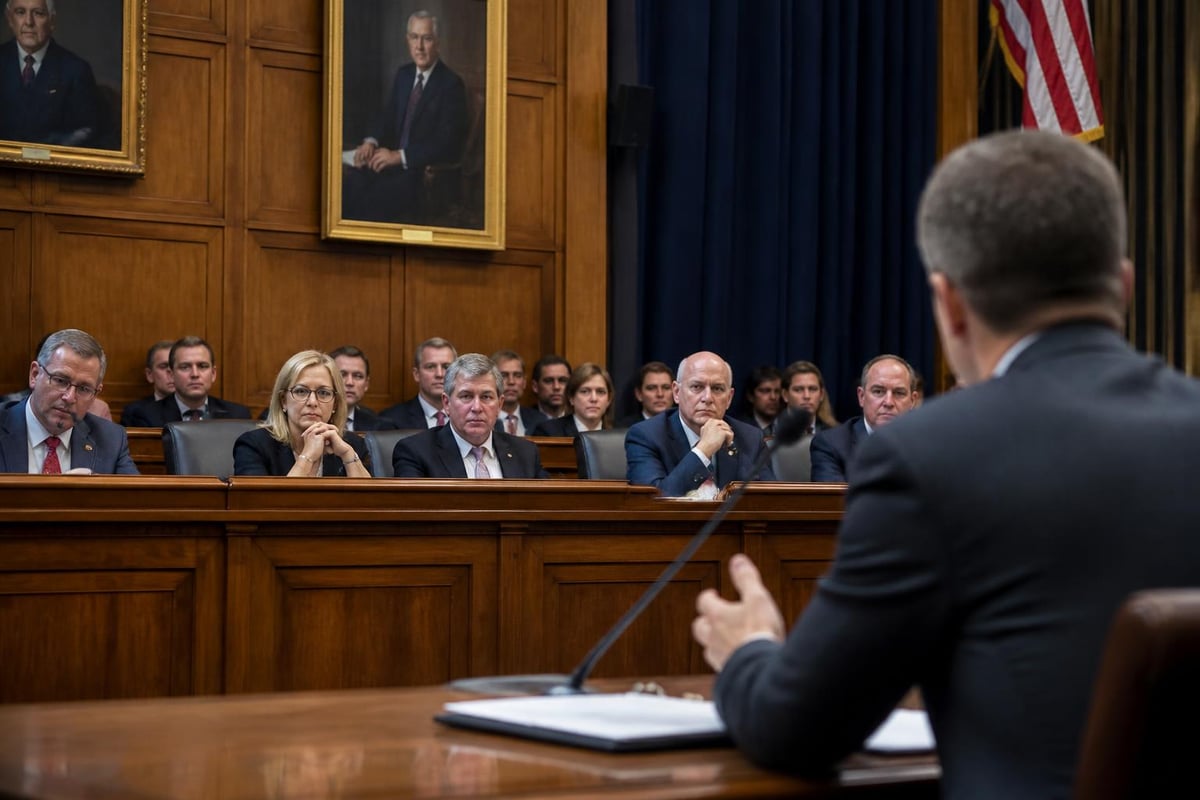
Congressional committees have significantly expanded their oversight activities in early 2026, focusing on potential corruption within executive agencies and administrative practices. The House Oversight Committee has maintained an aggressive posture, examining allegations of impropriety and conflicts of interest across multiple departments.
During a March 2026 oversight hearing, Congresswoman Eleanor Holmes Norton labeled the Trump administration as the “most corrupt in history”, citing concerns over the systematic firing of inspectors general and alleged retaliation against whistleblowers. This characterization underscores the partisan tensions surrounding federal corruption hearings update 2026 and highlights fundamental disagreements about accountability standards.
Inspector General Protections and Whistleblower Concerns
A central theme emerging from recent hearings involves the protection of inspectors general and whistleblowers who serve as critical accountability mechanisms. Committee members from both parties have expressed concerns about:
- Dismissals of oversight officials without adequate justification
- Retaliation patterns against employees who report misconduct
- Weakening of internal accountability structures within federal agencies
- Insufficient protections for those who expose governmental waste and abuse
These concerns have prompted discussions about strengthening statutory protections and establishing clearer procedures for removing oversight officials. The hearings have revealed significant disagreements about the appropriate balance between executive authority and independent oversight.
Judicial Impeachment and Accountability Hearings
The federal corruption hearings update 2026 also encompasses significant attention to judicial misconduct. The Senate Judiciary Committee conducted a comprehensive hearing in January titled “Impeachment: Holding Rogue Judges Accountable”, examining procedures for addressing corruption allegations against federal judges.
This hearing addressed both procedural questions about judicial impeachment and substantive concerns about specific cases. Senators examined the constitutional framework for removing judges who engage in corrupt practices, financial improprieties, or ethical violations that undermine public trust in the judiciary.
Impeachment Process Complexities
The judicial impeachment process presents unique challenges compared to executive branch accountability. Key considerations discussed during the hearing included:
| Challenge | Description | Proposed Solution |
|---|---|---|
| Evidentiary Standards | Determining sufficient proof for impeachment | Enhanced investigative resources for Judiciary Committee |
| Constitutional Interpretation | Defining "high crimes and misdemeanors" for judges | Clearer statutory guidelines |
| Political Considerations | Minimizing partisan influence on proceedings | Bipartisan investigation panels |
| Timeline Efficiency | Expediting investigations without compromising thoroughness | Streamlined procedural rules |
The hearing participants acknowledged that judicial independence requires careful balancing against accountability imperatives. While judges must remain insulated from political pressure, they cannot operate above the law when engaging in corrupt activities.
Federal judges hold lifetime appointments, making the impeachment process the primary mechanism for removing those who abuse their positions. The Senate hearing explored whether current procedures adequately address contemporary corruption challenges or require modernization.
State-Level Fraud Investigations with Federal Implications
Beyond corruption within federal institutions, Congressional committees have examined fraud in federally funded state programs. The House Oversight Committee announced hearings investigating widespread fraud in Minnesota’s social services programs, focusing on the misuse of federal funds allocated for social welfare purposes.
These January 2026 hearings revealed systematic vulnerabilities in program oversight mechanisms. Witnesses testified about fraudulent schemes that exploited inadequate verification procedures, resulting in substantial losses of taxpayer money intended for vulnerable populations.
Key findings from the Minnesota fraud hearings included:
- Insufficient coordination between state administrators and federal oversight agencies
- Inadequate real-time monitoring systems for detecting suspicious transaction patterns
- Weaknesses in identity verification procedures for program participants
- Limited consequences for organizations involved in facilitating fraudulent claims
- Insufficient resources allocated to fraud prevention and detection
The hearings prompted discussions about implementing stronger controls for federal-state partnership programs. Committee members emphasized that protecting taxpayer resources requires robust verification systems and swift accountability for those who exploit program vulnerabilities.
Modernizing Anti-Fraud and Anti-Corruption Approaches
The federal corruption hearings update 2026 extends to emerging threats posed by sophisticated international fraud networks. The Joint Economic Committee held a March hearing on “The Rising Global Scam Economy”, examining how federal agencies must modernize their approaches to protect Americans from foreign fraudsters.
This hearing acknowledged that traditional corruption investigation methods prove insufficient against technologically sophisticated criminal enterprises. Witnesses testified about cryptocurrency-based schemes, synthetic identity fraud, and coordinated international networks that exploit jurisdictional complexities.
Technology-Enabled Corruption Challenges
Modern corruption increasingly involves technological elements that complicate detection and prosecution. The Joint Economic Committee hearing explored several dimensions:
- Cryptocurrency transactions that obscure money trails and complicate asset recovery
- Cross-border coordination challenges that delay investigations and prosecutions
- Synthetic identity creation enabling fraudsters to evade traditional verification systems
- Dark web marketplaces facilitating corrupt transactions beyond conventional oversight
- AI-generated documentation that passes initial scrutiny but contains fraudulent information
Committee members heard testimony from cybersecurity experts, federal investigators, and international cooperation specialists about adapting enforcement strategies for these evolving threats.
FBI Resources and Corruption Investigation Priorities
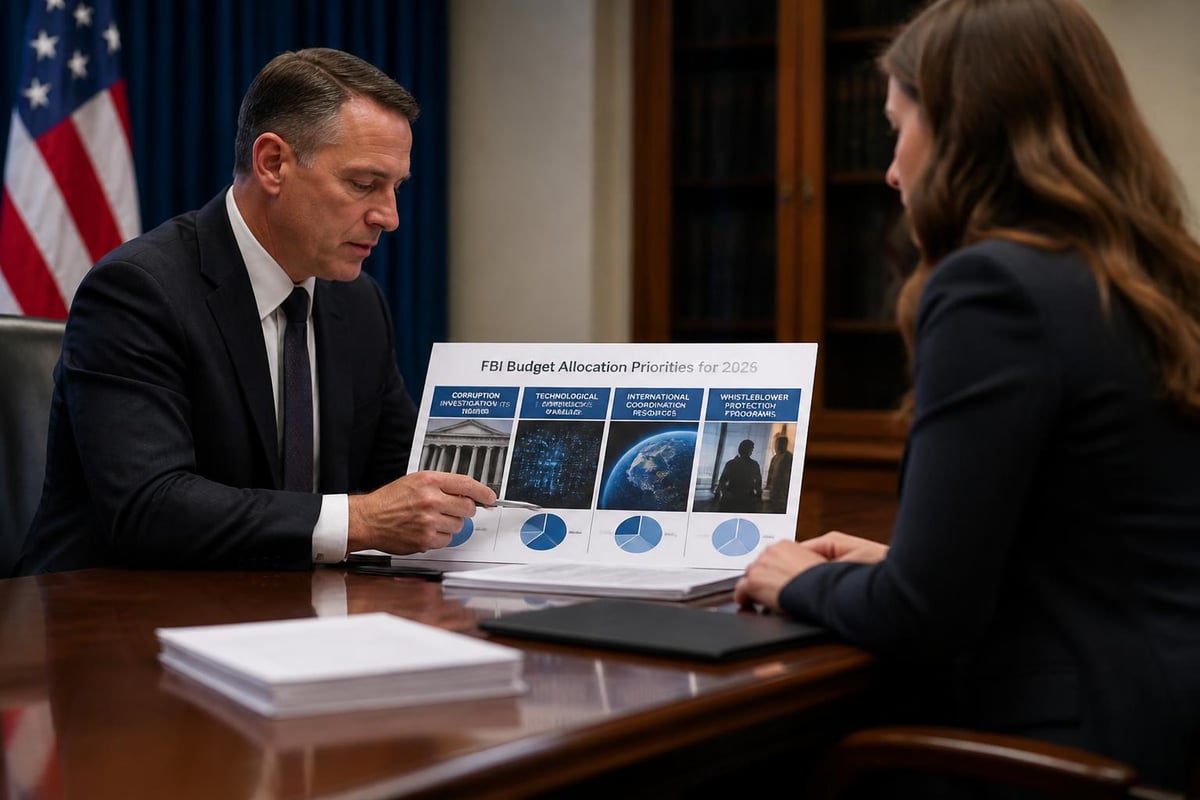
Federal law enforcement agencies play crucial roles in investigating corruption allegations emerging from Congressional hearings. The Senate Appropriations Committee reviewed the FBI’s budget request for fiscal year 2026, including resources allocated for combating public corruption.
During this hearing, FBI leadership outlined priorities for corruption investigations and requested funding for enhanced technological capabilities. These resources support investigations into bribery, embezzlement, fraud, and other corrupt practices by government officials at all levels.
The Senate Judiciary Committee also conducted oversight hearings of the FBI, addressing the agency's role in investigating federal corruption cases. Senators questioned FBI officials about case priorities, resource allocation, and coordination with other investigative bodies.
FBI Corruption Investigation Metrics
| Investigation Category | 2024 Cases | 2025 Cases | 2026 Projected | Percentage Change |
|---|---|---|---|---|
| Public Official Bribery | 147 | 163 | 178 | +21% (2024-2026) |
| Judicial Corruption | 23 | 31 | 38 | +65% (2024-2026) |
| Procurement Fraud | 89 | 102 | 116 | +30% (2024-2026) |
| Grant Misappropriation | 67 | 81 | 94 | +40% (2024-2026) |
These figures demonstrate increasing investigative activity across corruption categories, reflecting both enhanced enforcement efforts and potentially growing incidence of corrupt practices.
High-Profile Federal Investigations in 2026
The federal corruption hearings update 2026 coincides with several notable ongoing investigations into prominent officials. The federal investigation into Federal Reserve Chair Jerome Powell, initiated in November 2025, continued through early 2026, examining his congressional testimony about renovation projects.
This investigation exemplifies how seemingly minor discrepancies can trigger significant federal inquiries when involving high-ranking officials. The probe examines whether Powell provided accurate information to Congress or attempted to mislead lawmakers about administrative matters.
While not involving traditional corruption elements like bribery or embezzlement, the investigation highlights Congressional expectations for complete truthfulness during testimony. False statements to Congress constitute federal offenses regardless of the underlying subject matter's significance.
The Powell investigation raised broader questions about:
- Standards of truthfulness expected from federal officials during testimony
- Appropriate investigative responses to potential misstatements
- Political motivations potentially influencing investigation initiation
- Implications for future officials' willingness to engage with Congressional oversight
The case demonstrates that federal corruption hearings update 2026 encompasses not only traditional corruption but also accountability for accuracy and transparency in governmental communications.
Analyzing Historical Corruption Hearing Trends
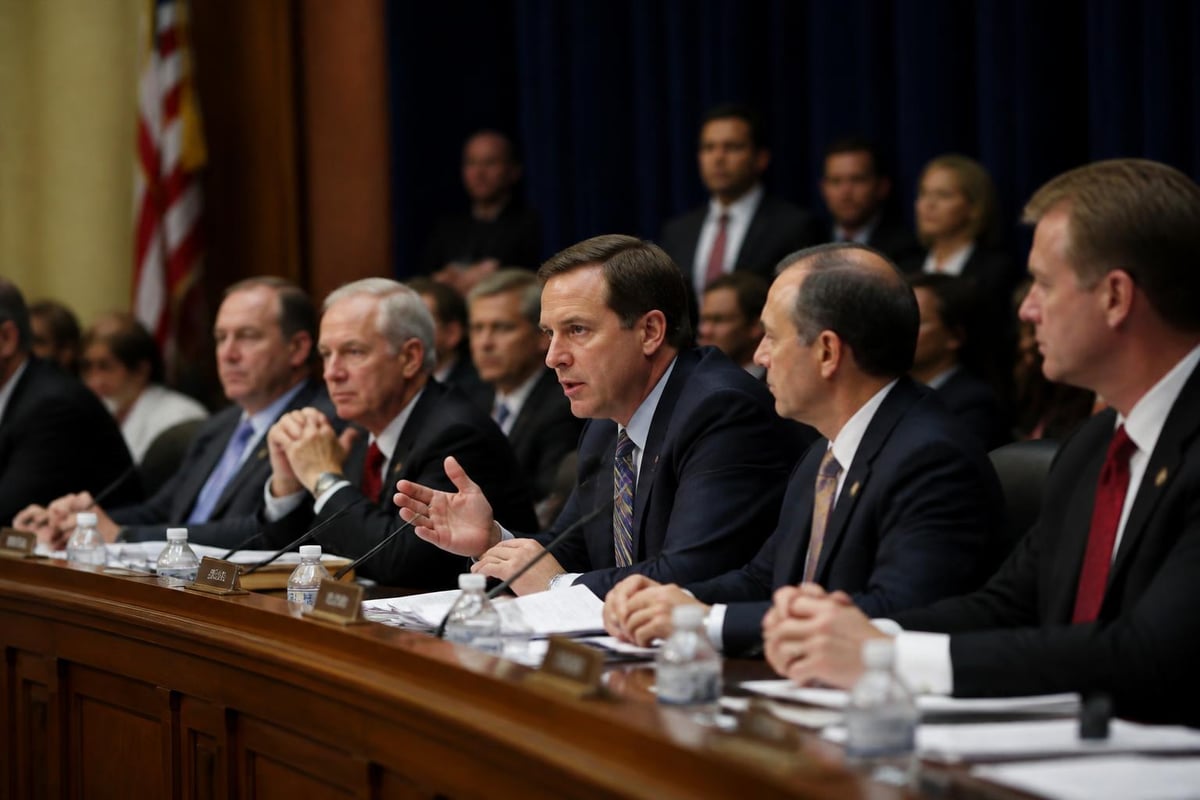
Understanding the federal corruption hearings update 2026 benefits from historical context. Academic research analyzing Congressional hearing datasets from 1997 to 2024 provides insights into evolving patterns in corruption oversight. The Congress Committee Hearing Dataset reveals trends in hearing frequency, topical focus, and investigative approaches.
This longitudinal analysis demonstrates that corruption hearings have increased in frequency and expanded in scope over recent decades. Modern hearings address technology-facilitated corruption, international dimensions, and systemic vulnerabilities that earlier oversight efforts did not anticipate.
Evolution of Hearing Topics
Earlier corruption hearings primarily focused on traditional bribery, kickback schemes, and financial improprieties. Contemporary hearings address:
- Cybersecurity vulnerabilities enabling corrupt practices
- International coordination challenges in transnational corruption cases
- Cryptocurrency and digital asset misappropriation
- Social media influence campaigns connected to corrupt interests
- AI technologies creating new corruption opportunities and detection challenges
The analysis of Senate Judiciary Committee hearings on AI oversight from 2023-2024 illustrates how emerging technologies require new legislative and investigative frameworks. These hearings established precedents for addressing technology-related corruption that inform current 2026 proceedings.
Partisan Dynamics in Corruption Oversight
The federal corruption hearings update 2026 occurs within a politically polarized environment where partisan considerations influence hearing agendas, witness selection, and investigative priorities. Both parties utilize corruption allegations as political weapons while simultaneously advocating for accountability reforms.
Democratic committee members frequently highlight concerns about executive branch ethics, conflicts of interest among appointees, and weakening of oversight mechanisms. Republican members often focus on bureaucratic waste, fraud in social programs, and alleged politicization of investigative agencies.
This partisan dimension complicates efforts to establish bipartisan consensus on corruption reforms. Even when both parties agree on problems, they frequently disagree about solutions, responsible parties, and enforcement priorities.
Consequences of partisan polarization include:
- Reduced public trust when hearings appear politically motivated
- Difficulty achieving meaningful legislative reforms requiring bipartisan support
- Inconsistent oversight depending on which party controls committees
- Witnesses facing hostile questioning based on partisan affiliations rather than factual issues
Despite these challenges, certain corruption issues transcend partisan divisions. Fraud affecting taxpayer resources, judicial misconduct, and international scam networks often generate bipartisan concern, creating opportunities for collaborative oversight and reform.
Readers seeking comprehensive coverage of presidential and federal governance issues can access detailed analysis of how executive leadership intersects with Congressional oversight priorities.
Impact on Federal Agency Operations
The intensified oversight reflected in the federal corruption hearings update 2026 significantly affects federal agency operations. Agencies facing corruption allegations or fraud investigations experience operational disruptions, resource diversions, and leadership challenges.
When Congressional committees request documents, testimony, and access to personnel, agencies must allocate substantial resources to compliance. These demands can delay normal operations, divert attention from mission-critical activities, and create uncertainty among employees.
Agencies have responded by:
- Establishing dedicated Congressional liaison offices to manage hearing requests
- Implementing enhanced internal compliance programs to prevent issues triggering hearings
- Improving documentation practices to support transparency and accountability
- Investing in training programs emphasizing ethical conduct and reporting obligations
- Strengthening internal investigation capabilities to address concerns before external scrutiny
These adaptations represent positive accountability enhancements but also impose costs and administrative burdens. Agencies must balance responsiveness to oversight with maintaining operational effectiveness.
Implications for Presidential Administrations
Presidential administrations face significant political consequences from corruption hearings involving executive branch officials or appointees. The federal corruption hearings update 2026 demonstrates how oversight activities can shape public perceptions of administrative competence, ethical standards, and accountability commitment.
Administrations typically respond to corruption allegations through various strategies including cooperating with investigations, defending accused officials, implementing reform initiatives, or distancing themselves from implicated individuals. These responses influence both immediate political standing and long-term historical assessments.
The detailed coverage available through presidential news sources helps citizens understand how current oversight activities compare to historical patterns and what implications emerge for executive governance.
| Presidential Response Strategy | Advantages | Disadvantages |
|---|---|---|
| Full Cooperation | Demonstrates transparency; may expedite resolution | Provides fodder for political opponents |
| Defensive Posture | Protects appointees; signals loyalty | Appears obstructionist; prolongs controversy |
| Reform Implementation | Shows accountability commitment | May imply guilt; creates bureaucratic burdens |
| Strategic Distancing | Limits political damage | Appears disloyal; may not prevent criticism |
Presidents must navigate these competing considerations while maintaining governmental functionality and preserving political capital for policy priorities.
Future Outlook for Corruption Oversight
The federal corruption hearings update 2026 suggests several trends likely to continue throughout the year and beyond. Congressional committees show sustained commitment to corruption oversight despite partisan disagreements about specific allegations and priorities.
Emerging areas likely to receive increased attention include:
- Artificial intelligence applications creating corruption opportunities or detection capabilities
- Climate change funding programs representing substantial resources requiring fraud protection
- Infrastructure investment oversight ensuring proper use of historic federal expenditures
- Cryptocurrency regulation addressing digital assets facilitating corrupt transactions
- International cooperation mechanisms for addressing transnational corruption networks
These forward-looking priorities reflect Congressional recognition that corruption evolves alongside technological, economic, and social changes. Effective oversight requires anticipating emerging vulnerabilities rather than simply responding to discovered problems.
Committee leadership from both parties has indicated intentions to maintain aggressive oversight schedules throughout 2026, suggesting the current hearing pace will continue or potentially intensify as the year progresses and the next presidential election approaches.
The federal corruption hearings update 2026 reveals a complex landscape of Congressional oversight spanning executive accountability, judicial impeachment, fraud investigations, and emerging technological challenges. These proceedings demonstrate bipartisan commitment to addressing corruption despite significant disagreements about specific allegations and appropriate responses. For comprehensive, non-partisan coverage of presidential actions, Congressional oversight developments, and federal governance matters affecting all Americans, U.S. Presidential Report provides timely analysis and balanced reporting on the evolving relationship between executive leadership and legislative accountability.