The history of American presidential leadership reveals a recurring pattern of conservative governance that has shaped the nation's direction across multiple eras. From the early republic to the modern age, conservative presidents have championed principles including limited government, fiscal restraint, strong national defense, and traditional values. Understanding their impact requires examining both their policy achievements and the enduring philosophies that guided their administrations. This exploration offers insights into how conservative leadership has influenced American domestic and foreign policy, economic systems, and the broader relationship between citizens and their government.
The Foundation of Conservative Presidential Leadership
The concept of conservatism in American politics has evolved significantly since the nation's founding. Early conservative presidents focused primarily on maintaining constitutional order, protecting property rights, and ensuring limited federal intervention in state affairs. These foundational principles would later expand to encompass broader economic and social policies.
Core conservative principles traditionally include:
- Limited federal government and states' rights
- Fiscal conservatism and balanced budgets
- Strong national defense and robust military
- Free market economics with minimal regulation
- Traditional social values and institutions
- Strict constitutional interpretation
The manifestation of these principles varied depending on historical context. Presidents who governed during times of expansion faced different challenges than those who led during economic crises or international conflicts. The consistency, however, lies in the fundamental approach to governance and the role of federal authority.

Early Conservative Leadership in American History
Chester A. Arthur, who served from 1881 to 1885, exemplified early conservative governance despite initially being viewed with suspicion. His presidency marked a significant shift toward civil service reform and conservative fiscal policies, challenging the patronage system that had dominated American politics. Arthur's commitment to reducing government corruption while maintaining conservative economic principles established precedents for future administrations.
The Eisenhower Era
Dwight D. Eisenhower brought military discipline and conservative pragmatism to the White House during the 1950s. His presidency demonstrated that conservative leadership could effectively balance domestic progress with fiscal responsibility. Eisenhower's approach to governance emphasized efficiency, limited federal expansion, and strategic international engagement during the height of Cold War tensions.
| Eisenhower Achievement | Conservative Principle | Long-term Impact |
|---|---|---|
| Interstate Highway System | Infrastructure investment | Economic growth, national defense |
| Balanced budgets (3 of 8 years) | Fiscal conservatism | Federal spending discipline |
| Limited federal expansion | Small government | Restrained bureaucracy growth |
The Eisenhower administration proved that conservative presidents could pursue major initiatives while adhering to limited government principles. His warning about the "military-industrial complex" reflected conservative skepticism toward unchecked institutional power, regardless of sector.
The Reagan Revolution and Modern Conservatism
Ronald Reagan transformed the conservative presidential model in ways that continue influencing American politics today. His presidency from 1981 to 1989 established what many consider the template for modern conservative governance. Reagan’s conservative principles centered on supply-side economics, deregulation, and assertive anti-communism.
Reagan's major policy initiatives included:
- Economic Recovery Tax Act of 1981 – Reduced individual income tax rates by 25% over three years
- Deregulation efforts – Removed government controls across multiple industries
- Military buildup – Increased defense spending to challenge Soviet Union
- Tax Reform Act of 1986 – Simplified tax code while lowering rates
- Strategic Defense Initiative – Proposed missile defense system
The Heritage Foundation has extensively documented Reagan’s role as a conservative statesman, highlighting his ability to communicate conservative principles effectively to diverse audiences. His optimistic vision of American exceptionalism resonated across party lines, creating what became known as "Reagan Democrats."
Reagan's economic policies, collectively termed "Reaganomics," emphasized tax cuts, reduced government spending, decreased regulation, and controlled money supply. Critics argued these policies increased income inequality and national debt, while supporters credited them with spurring economic growth and ending stagflation.
Foreign Policy Achievements
Reagan's conservative foreign policy approach combined military strength with diplomatic engagement. His famous "tear down this wall" speech in Berlin symbolized his confrontational yet ultimately successful strategy toward the Soviet Union. The peaceful conclusion of the Cold War during his successor's term validated his defense buildup and ideological commitment.
Conservative Presidents in the Late 20th Century
The post-Reagan era saw conservative presidents adapting core principles to changing global circumstances. George H.W. Bush maintained Reagan's conservative legacy while navigating the collapse of the Soviet Union and orchestrating the Gulf War coalition. His "read my lips, no new taxes" pledge became a defining moment that illustrated the tension between conservative principles and governing realities.
George W. Bush's presidency from 2001 to 2009 demonstrated how conservative leadership responds to national crises. Following the September 11 attacks, his administration pursued an aggressive foreign policy while implementing tax cuts consistent with conservative economic theory. The expansion of executive power and federal spending, however, generated debate about whether these actions aligned with traditional conservative values of limited government.

21st Century Conservative Leadership
Donald Trump's presidency represented a populist reinterpretation of conservative leadership that diverged from establishment Republican orthodoxy while maintaining certain traditional conservative positions. His administration pursued deregulation, tax reform, and conservative judicial appointments. Research shows Republicans view both Reagan and Trump as highly effective conservative presidents, though their governing styles differed significantly.
Economic and Regulatory Policy
The Trump administration's Tax Cuts and Jobs Act of 2017 represented the most significant tax overhaul since Reagan's reforms. Conservative economic principles guided the reduction of corporate tax rates from 35% to 21% and the restructuring of individual tax brackets. Analysts like Grover Norquist compared Trump’s potential fiscal impact to Reagan’s, though debates continue about long-term fiscal implications.
Key deregulatory actions included:
- Rollback of environmental regulations on energy production
- Reduction of financial industry oversight
- Streamlining of permitting processes
- Elimination of net neutrality rules
- Decreased healthcare mandates
Judicial Philosophy
Conservative presidents have consistently prioritized appointing judges who practice strict constitutional interpretation. Trump appointed three Supreme Court justices, fundamentally shifting the court's ideological balance. This focus on the judiciary reflects the conservative understanding that courts play crucial roles in limiting government overreach and protecting constitutional rights.
Religious and Social Conservatism
The intersection of conservative governance and religious values has characterized many presidencies. Trump energized conservative Christians through policies on religious freedom, abortion, and judicial appointments. This coalition between political conservatives and religious communities has deep historical roots extending through multiple administrations.
| President | Religious Policy Focus | Key Initiatives |
|---|---|---|
| Reagan | Traditional values advocacy | School prayer support, pro-life judicial picks |
| Bush (W.) | Faith-based initiatives | Federal funding for religious organizations |
| Trump | Religious liberty | Executive orders protecting religious expression |
The relationship between conservative presidents and religious constituencies creates both political strength and governance challenges. Balancing secular governance with respect for religious communities requires careful navigation of constitutional boundaries.
Fiscal Conservatism and Budget Realities
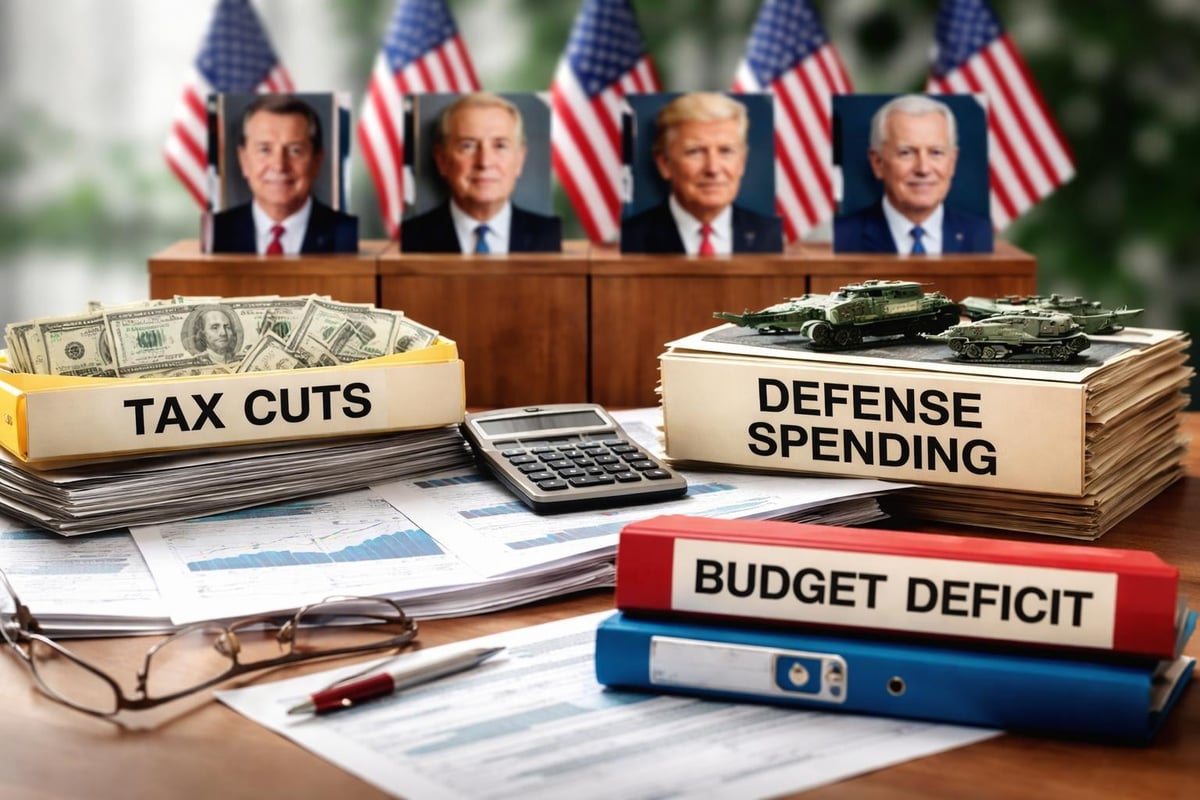
The principle of fiscal conservatism has proven challenging for conservative presidents to implement consistently. While campaigning on balanced budgets and reduced spending, conservative leaders often face pressures that complicate these commitments. Defense spending, entitlement programs, and economic crises frequently create budgetary tensions.
Budget Performance Analysis
Examining actual fiscal records reveals complexity in conservative presidential budget management. Reagan increased defense spending substantially while cutting domestic programs, resulting in significant deficits. George W. Bush's combination of tax cuts and war spending expanded national debt. These realities demonstrate the gap between conservative fiscal rhetoric and governing necessities.
Factors affecting conservative budget performance:
- Defense and security requirements
- Economic recession responses
- Entitlement program growth
- Political compromise necessities
- Revenue impacts of tax cuts
Understanding this complexity helps evaluate conservative presidential effectiveness beyond simplified narratives. Successful fiscal conservatism requires not just commitment to principles but also political skill in implementing them within constitutional constraints.
Foreign Policy and National Security
Conservative presidents have generally favored strong military capabilities, assertive international engagement, and protection of American interests abroad. This approach contrasts with isolationist tendencies that sometimes emerge in conservative movements. The balance between military strength and fiscal conservatism creates ongoing tension in conservative foreign policy.
The Reagan Doctrine of supporting anti-communist movements worldwide exemplified conservative internationalism. George W. Bush's freedom agenda attempted to promote democracy through American power. These approaches share assumptions about American exceptionalism and the proper use of military force to advance national interests and values.
Defense Spending Priorities
Conservative presidents typically prioritize defense modernization and military readiness. This commitment reflects both strategic calculation and philosophical conviction about government's primary responsibilities. Critics argue this priority sometimes conflicts with fiscal conservatism, while supporters maintain that national defense represents legitimate federal authority.
The Conservative Judicial Legacy
Perhaps no area shows conservative presidential impact more clearly than judicial appointments. Conservative presidents have systematically appointed judges committed to originalism, textualism, and judicial restraint. This generational influence extends far beyond any single presidential term, shaping constitutional interpretation for decades.
The Federalist Society and similar organizations have provided conservative presidents with vetted judicial candidates who share their constitutional philosophy. This infrastructure ensures consistency in conservative judicial appointments across different administrations, creating lasting institutional change.
Measuring Conservative Presidential Success
Evaluating conservative presidential effectiveness requires examining multiple dimensions beyond simple policy wins. Electoral success, coalition building, long-term policy impacts, and philosophical legacy all contribute to comprehensive assessment. The U.S. Presidential Report archives provide detailed analysis of how different administrations pursued their agendas.
Success metrics include:
- Legislative achievements and executive actions
- Judicial appointment influence
- Economic performance indicators
- Foreign policy outcomes
- Party coalition strength
- Public opinion and approval ratings
- Long-term policy durability
These varied measures sometimes produce contradictory assessments. A president might achieve significant policy victories while facing low approval ratings, or maintain popularity without substantial legislative success. Historical perspective often reveals impacts not immediately apparent during the administration itself.
Contemporary Conservative Governance Challenges
Modern conservative presidents face challenges distinct from their predecessors. Globalization, technological disruption, climate concerns, and demographic changes create new contexts for applying traditional conservative principles. Successfully adapting while maintaining philosophical consistency requires both creativity and commitment.
The tension between populist and establishment conservative factions complicates contemporary conservative governance. Questions about trade policy, immigration, and America's global role divide conservatives who otherwise share fundamental principles. How conservative presidents navigate these divisions shapes both policy outcomes and political coalitions.
Economic Challenges in a Global Context
Twenty-first century conservative presidents must address economic issues their predecessors never confronted. Global supply chains, digital currencies, artificial intelligence, and international tax competition require updating traditional conservative economic approaches. Maintaining free market principles while addressing legitimate concerns about disruption and inequality presents ongoing challenges.
The Role of Conservative Media and Messaging
Conservative presidents benefit from and contend with an extensive conservative media ecosystem. Talk radio, cable news, and digital platforms amplify conservative messages while also constraining presidential flexibility. This infrastructure helps maintain conservative movement cohesion but can limit pragmatic governance options.
Effective conservative presidential communication requires balancing movement expectations with broader public appeal. Reagan's mastery of this balance contributed significantly to his effectiveness. His ability to articulate conservative principles in accessible, optimistic terms expanded the conservative coalition beyond its traditional base.
Comparing Conservative and Progressive Presidential Approaches
Understanding conservative presidents requires recognizing how their governing philosophy differs from progressive alternatives. Where progressives generally favor active government intervention to address social problems, conservative presidents emphasize individual liberty, market solutions, and limited federal authority. These competing visions produce fundamentally different policy approaches to similar challenges.
Recent analysis by U.S. Presidential Report on policy contrasts illustrates these differences in practice. The philosophical divide extends beyond specific policies to questions about government's proper role, individual rights, and collective responsibilities.
Conservative presidents have shaped American governance through their commitment to limited government, fiscal discipline, strong defense, and traditional values, though implementation has varied across eras and circumstances. Whether you're researching historical patterns, analyzing current political dynamics, or seeking non-partisan coverage of presidential leadership, U.S. Presidential Report provides comprehensive analysis of how past and present presidents govern. Stay informed about the policies and principles that continue shaping America's political landscape.