The situation at the United States southern border has dominated political discourse and news coverage for years, yet many Americans remain confused about the underlying factors driving what officials and lawmakers characterize as a crisis. Understanding the us border crisis explained requires examining multiple interconnected elements: policy decisions spanning several administrations, international migration pressures, legal frameworks, enforcement capacity, and the humanitarian dimensions that affect thousands of families seeking entry into the United States. This comprehensive examination provides clarity on how we arrived at this point and what factors continue to shape the border situation in 2026.
Historical Context and Policy Evolution
The current border situation did not emerge overnight. Immigration enforcement along the southern border has evolved dramatically over the past three decades, shaped by shifting political priorities and changing migration patterns.
Legislative Foundations
Several key legislative actions established the framework for modern border enforcement. The Immigration Reform and Control Act of 1986 granted amnesty to approximately three million unauthorized immigrants while promising enhanced border security. The Illegal Immigration Reform and Immigrant Responsibility Act of 1996 expanded grounds for deportation and limited judicial review of immigration decisions.
More recently, policy shifts have created additional complexity. The implementation and subsequent ending of various programs under different administrations created uncertainty for both enforcement personnel and migrant populations. Title 42, a public health authority implemented during the pandemic, allowed for rapid expulsion of migrants without standard asylum processing, fundamentally altering border dynamics.
Understanding these policy layers helps explain why the us border crisis explained involves more than simply border security measures. Each administration's approach creates ripple effects that influence migration decisions for months or years afterward.
Root Causes Driving Migration
Migration to the United States southern border stems from multiple factors originating in Central America, South America, and increasingly from countries around the world.
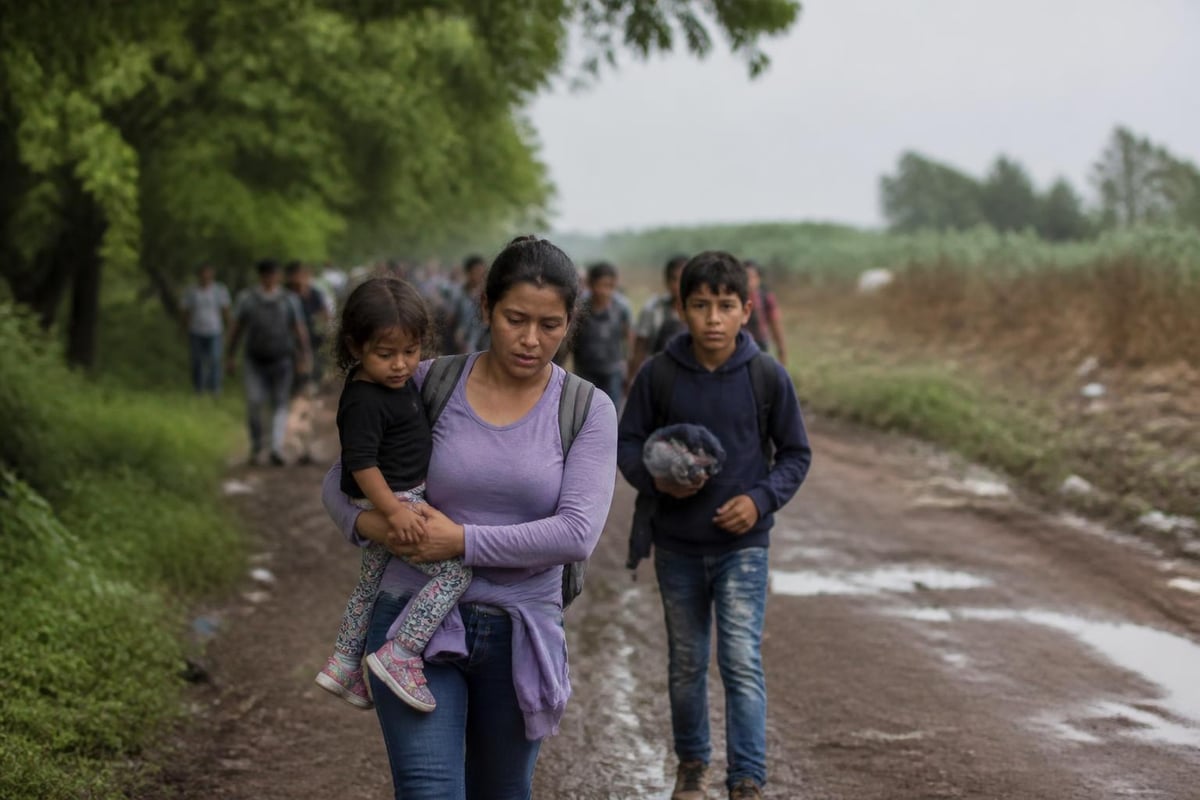
Push Factors in Origin Countries
- Economic desperation stemming from limited employment opportunities and poverty
- Gang violence and extortion making daily life dangerous in countries like Honduras, El Salvador, and Guatemala
- Political instability and government corruption undermining rule of law
- Climate-related disasters including droughts and hurricanes destroying agricultural livelihoods
- Family reunification desires to join relatives already residing in the United States
The legal frameworks governing immigration create additional complexity when addressing these humanitarian concerns while maintaining border security.
Pull Factors and Perceived Opportunities
Migrants often perceive the United States as offering opportunities unavailable in their home countries. Economic prospects, educational opportunities for children, and safety from violence motivate families to undertake dangerous journeys. Additionally, misinformation spread by smuggling networks sometimes creates unrealistic expectations about entry possibilities.
The interaction between push and pull factors creates sustained migration pressure that varies in intensity based on conditions in origin countries and perceived policy changes in the United States. This dynamic makes the us border crisis explained particularly challenging for policymakers seeking sustainable solutions.
Enforcement Challenges and Operational Realities
Border security agencies face unprecedented operational challenges that strain resources and personnel while attempting to maintain border integrity.
Agency Capacity and Resource Constraints
U.S. Customs and Border Protection (CBP) operates along approximately 1,954 miles of border with Mexico. The agency's response to the border crisis involves managing both traditional security concerns and humanitarian responsibilities that have expanded significantly.
| Challenge Category | Specific Impact | Resource Requirement |
|---|---|---|
| Personnel Shortage | Extended shifts, burnout | Additional hiring and training |
| Processing Capacity | Overcrowded facilities | Expanded infrastructure |
| Medical Resources | Health screening and care | Healthcare professionals and supplies |
| Technology Gaps | Surveillance limitations | Advanced detection systems |
Border Patrol agents increasingly serve dual roles as both law enforcement officers and humanitarian first responders. This mission expansion creates tension between security objectives and humanitarian obligations, particularly when facilities become overcrowded with families and unaccompanied minors.
Geographic and Logistical Obstacles
The physical geography of the southern border presents significant challenges. Remote desert areas, the Rio Grande river system, and rugged terrain in Texas, New Mexico, Arizona, and California create natural obstacles for both migrants and enforcement personnel. Understanding how the U.S. patrols its borders reveals the technological and human resources required for effective monitoring.
Weather extremes compound these challenges. Summer temperatures exceeding 110 degrees Fahrenheit create life-threatening conditions for migrants crossing remote areas, while winter conditions in mountainous regions present different hazards. These geographic realities mean that enforcement must balance security with life-saving humanitarian responses.
Political Dimensions and Federal-State Tensions
The border situation has become deeply politicized, creating conflicts between federal authority and state governments, particularly in Texas.
Constitutional and Legal Conflicts
The Constitution grants the federal government authority over immigration policy and international borders. However, states along the border argue they bear disproportionate costs and security risks, justifying state-level actions. The standoff between Texas and the federal government illustrates these constitutional tensions.
Texas has implemented Operation Lone Star, deploying state National Guard troops and constructing physical barriers. These actions have prompted legal challenges questioning whether states can independently enforce immigration policy or take actions that conflict with federal approaches.
Key political flashpoints include:
- Jurisdiction over border enforcement operations
- Authority to construct or modify physical barriers
- State transportation of migrants to other jurisdictions
- Coordination between federal and state law enforcement
- Funding allocation for border security measures
Impact on Presidential Politics
Border security consistently ranks among top voter concerns, significantly influencing presidential elections and policy debates. Candidates across the political spectrum must articulate positions on border enforcement, asylum policy, and comprehensive immigration reform.
The us border crisis explained from a political perspective involves understanding how different constituencies view the issue. Some prioritize security and rule of law enforcement, while others emphasize humanitarian obligations and the contributions of immigrant communities. Presidential administrations must navigate these competing perspectives while implementing legally defensible policies.
Economic and Community Impacts
Border dynamics create ripple effects throughout American communities, generating both costs and economic activity.
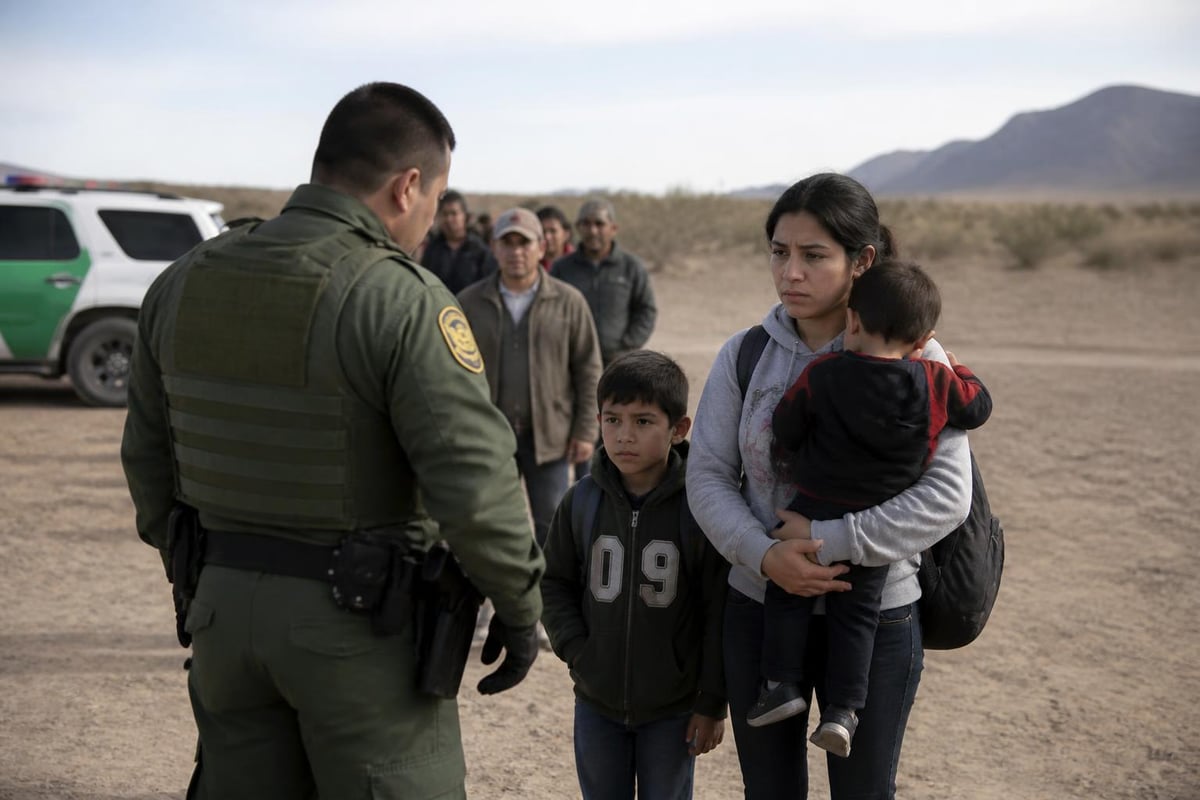
Costs to Border Communities
Communities along the border experience direct impacts from migration flows. Congressional hearings have highlighted costs including:
- Emergency medical services for migrants requiring immediate care
- Law enforcement resources diverted to border-related incidents
- Education systems absorbing students with varying English proficiency
- Social services providing temporary assistance to asylum seekers
- Infrastructure strain on transportation and public facilities
However, economic analysis shows complexity beyond simple cost calculations. Border communities also benefit from cross-border commerce, cultural exchange, and economic activity generated by enforcement operations and humanitarian organizations.
National Economic Considerations
Immigration policy intersects with broader economic concerns including labor market needs, agricultural workforce requirements, and economic growth dynamics. The economy and tax policy debates often incorporate immigration considerations, as workforce availability affects multiple economic sectors.
Industries including agriculture, construction, hospitality, and food service depend significantly on immigrant labor. Policy decisions affecting border security and immigration processing therefore carry economic consequences extending far beyond border regions.
Legal Standards and Asylum Processing
United States law and international treaty obligations establish specific standards for asylum claims and refugee protection.
Legal Obligations Under Domestic and International Law
The Immigration and Nationality Act grants individuals the right to apply for asylum if they face persecution based on race, religion, nationality, political opinion, or membership in a particular social group. International obligations under the 1951 Refugee Convention and its 1967 Protocol create additional requirements.
Asylum seekers must demonstrate "credible fear" during initial screening, showing a "significant possibility" of establishing eligibility. Those passing credible fear interviews proceed to full immigration court hearings, where they must prove their claims meet legal standards.
Processing timeline challenges:
- Initial credible fear screening: Days to weeks
- Immigration court hearing: Months to years due to backlog
- Appeals process: Additional months or years
- Total time in legal limbo: Often exceeding three years
The immigration court backlog exceeded 3 million cases in 2026, creating years-long waits for final determinations. This backlog means individuals remain in the United States for extended periods regardless of their ultimate claim validity.
Unaccompanied Minors and Special Protections
Children arriving without parents receive special legal protections under the Trafficking Victims Protection Reauthorization Act. These minors cannot be immediately returned to their home countries (except Mexico and Canada) but must receive proper care and legal proceedings.
The Office of Refugee Resettlement assumes custody of unaccompanied minors, placing them with sponsors (usually family members already in the United States) while their cases proceed through immigration courts. These protections, while humanitarian, create additional processing complexity when large numbers of minors arrive.
Policy Proposals and Potential Solutions
Policymakers across the political spectrum have proposed various approaches to address border challenges, though consensus remains elusive.
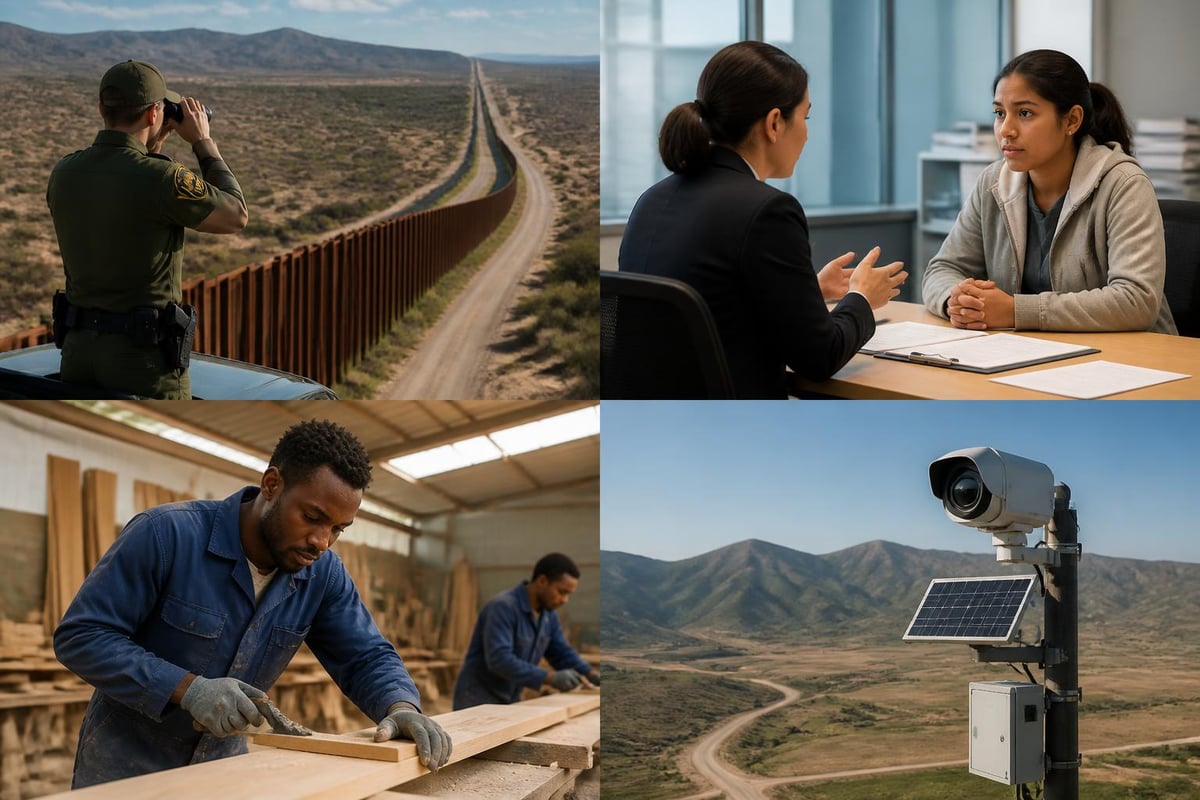
Enforcement-Focused Approaches
Some proposals emphasize enhanced enforcement and deterrence:
| Proposal Type | Specific Measures | Intended Effect |
|---|---|---|
| Physical Infrastructure | Expanded barrier construction | Reduce unauthorized crossings |
| Technology Deployment | Advanced surveillance systems | Improve detection capabilities |
| Personnel Expansion | Additional Border Patrol agents | Increase enforcement capacity |
| Expedited Removal | Faster deportation processing | Reduce incentives for illegal entry |
Critics argue purely enforcement-focused approaches fail to address root causes driving migration and may create humanitarian concerns without achieving lasting solutions.
Comprehensive Reform Proposals
Alternative approaches emphasize addressing multiple dimensions simultaneously. These proposals typically include enforcement improvements combined with legal pathway expansion and origin country assistance. Elements often include:
- Streamlined legal immigration reducing backlogs and processing times
- Guest worker programs addressing labor market needs
- Asylum system reforms improving efficiency while maintaining protections
- Foreign aid investment addressing root causes in origin countries
- Regional cooperation with Mexico and Central American nations
Comprehensive approaches face political obstacles, as different factions disagree on which elements should receive priority and how to balance competing objectives. The us border crisis explained through a policy lens reveals why solutions remain so contentious despite broad agreement that current systems are inadequate.
Technology and Innovation
Emerging technologies offer potential improvements to border management. Biometric systems can improve identity verification and tracking. Drones and sensors enhance surveillance in remote areas. Data analytics can identify patterns and improve resource allocation.
However, technology alone cannot resolve fundamental policy questions about how many migrants the United States should accept, how to process asylum claims fairly and efficiently, or how to address humanitarian concerns while maintaining security. These remain political and moral questions requiring democratic deliberation and compromise.
Humanitarian Considerations and Human Rights
Beyond policy and politics, the border situation involves real human consequences affecting vulnerable populations.
Migrant Experiences and Dangers
The journey to the United States southern border exposes migrants to significant dangers. Smuggling networks, known as coyotes, charge thousands of dollars and often abandon groups in dangerous conditions. Women and children face particular vulnerabilities including trafficking and assault.
Desert crossings create life-threatening dehydration and heat exposure risks. River crossings result in drownings, particularly when smugglers use unsafe methods. Criminal organizations control smuggling routes, creating violent conditions in northern Mexico.
Understanding the us border crisis explained requires acknowledging these human dimensions. Individuals undertaking such dangerous journeys typically face desperate circumstances in origin countries that outweigh the known risks.
Conditions in Processing Facilities
Border Patrol facilities, designed for short-term holding, sometimes become longer-term detention centers when processing capacity is overwhelmed. Overcrowding creates health and safety concerns, particularly for children and families.
Advocacy organizations have documented conditions including inadequate medical care, insufficient food and water, and lack of basic hygiene facilities during peak periods. Government agencies respond that facilities are overwhelmed by unprecedented numbers and that they request additional resources to improve conditions.
These humanitarian concerns intersect with immigration policy debates, as different stakeholders prioritize different aspects of the complex situation. Balancing security, efficiency, humanitarian treatment, and legal compliance remains an ongoing challenge.
Media Coverage and Public Perception
How the border situation is presented shapes public understanding and policy support, making media coverage a significant factor in the ongoing debate.
Framing and Narrative Differences
Different media outlets frame border issues through distinct lenses. Some emphasize security threats, drug trafficking, and the rule of law. Others focus on humanitarian crises, asylum seeker experiences, and systemic failures. These framing differences affect how audiences understand the situation and which policy approaches they support.
Common narrative frameworks include:
- Security crisis requiring enhanced enforcement
- Humanitarian emergency demanding compassionate responses
- Political failure reflecting governmental dysfunction
- Economic issue affecting labor markets and public services
- Legal challenge involving constitutional and treaty obligations
The us border crisis explained varies significantly depending on which framework predominates in coverage. Comprehensive understanding requires examining the situation through multiple perspectives and recognizing legitimate concerns across different viewpoints.
Information Quality and Misinformation
Border coverage sometimes includes inaccurate statistics, misleading images from different time periods or locations, and oversimplified cause-and-effect explanations. Both partisan media and social media platforms can amplify misinformation that distorts public understanding.
Reliable information requires consulting authoritative sources including government agencies, academic research, and established fact-checking organizations. Critical media literacy helps citizens distinguish between factual reporting, opinion, and propaganda in coverage of this politically charged issue.
International Dimensions and Regional Cooperation
The border situation extends beyond bilateral U.S.-Mexico relations to involve regional dynamics throughout the Americas.
Mexico's Role and Challenges
Mexico serves simultaneously as an origin country for migrants, a transit country for Central and South Americans heading north, and increasingly as a destination for asylum seekers unable to enter the United States. Mexican cooperation is essential for U.S. border management, yet Mexico faces its own migration challenges.
The U.S. has implemented policies requiring asylum seekers to wait in Mexico during processing, creating pressure on Mexican border cities. Mexico has deployed its National Guard to limit migration flows, sometimes facing criticism from human rights organizations. Understanding the U.S.-Mexico border challenge requires recognizing Mexico's complex position.
Central American Triangle and Beyond
Guatemala, Honduras, and El Salvador produce significant migration flows driven by violence, poverty, and limited opportunity. Addressing the us border crisis explained at its source requires improving conditions in these countries through development assistance, anti-corruption efforts, and violence reduction programs.
However, U.S. influence over conditions in origin countries is limited, and improvements require sustained investment over years or decades. Meanwhile, migration patterns have diversified to include significant numbers from Venezuela, Cuba, Nicaragua, and even extracontinental countries, complicating regional approaches.
Future Outlook and Ongoing Challenges
Looking ahead to the remainder of 2026 and beyond, several factors will shape border dynamics and policy debates.
Demographic and Climate Pressures
Long-term trends suggest sustained migration pressure. Population growth in Central America, combined with limited economic opportunity, creates demographic pressure. Climate change threatens agricultural livelihoods through drought and extreme weather, potentially increasing climate-driven migration.
These structural factors suggest that without significant improvements in origin countries or major policy reforms, the United States will face continued migration pressure requiring sustained management approaches rather than one-time solutions.
Political Cycles and Policy Continuity
Presidential elections create policy uncertainty, as different administrations implement distinct approaches. This cyclical policy changing creates challenges for long-term planning and can influence migration timing as people attempt to enter before anticipated policy shifts.
The 2026 political environment continues to feature border security as a central campaign issue, ensuring ongoing debate but potentially hindering bipartisan cooperation on comprehensive solutions. Sustainable approaches require political consensus that has proven elusive across multiple election cycles.
The us border crisis explained reveals a complex challenge involving legal obligations, humanitarian concerns, security imperatives, and political divisions that defy simple solutions. Understanding requires examining multiple perspectives and recognizing legitimate concerns across different viewpoints. For comprehensive, non-partisan coverage of how presidential administrations approach this and other critical policy challenges, U.S. Presidential Report provides balanced analysis of the decisions shaping American governance. Stay informed with objective reporting that helps you understand the policies affecting our nation's future.