The intersection of social media algorithms and politics has fundamentally transformed how Americans engage with presidential elections and political discourse. As we navigate 2026, these automated systems determine which political messages reach millions of voters, influence campaign strategies, and shape public opinion about current and past presidents. Understanding this relationship has become essential for anyone following U.S. presidential news and governance.
How Social Media Algorithms Shape Political Content Distribution
Social media platforms use complex algorithms to curate content feeds, ranking posts based on predicted user engagement rather than chronological order. These systems analyze hundreds of signals including past interactions, time spent viewing content, and network connections to determine what political information appears prominently.
For presidential campaigns and political organizations, this creates a new landscape where organic reach depends heavily on algorithmic favor. A post about President Biden’s policy positions might reach vastly different audiences depending on how the algorithm interprets its relevance and engagement potential.
The Amplification Effect on Presidential Politics
Research has demonstrated that social media algorithms and politics create unique amplification patterns. A comprehensive study on Twitter’s algorithms found significant differences in how political content from various ideological perspectives gets promoted, with measurable impacts on visibility and engagement.
Key amplification factors include:
- Emotional resonance of political messaging
- Timing relative to news cycles and events
- Existing follower networks and influence
- Visual content quality and shareability
- Engagement velocity in initial posting hours
These factors determine whether a presidential candidate's announcement reaches thousands or millions of potential voters. The algorithmic selection process operates continuously, making split-second decisions about political content visibility that collectively influence democratic discourse.
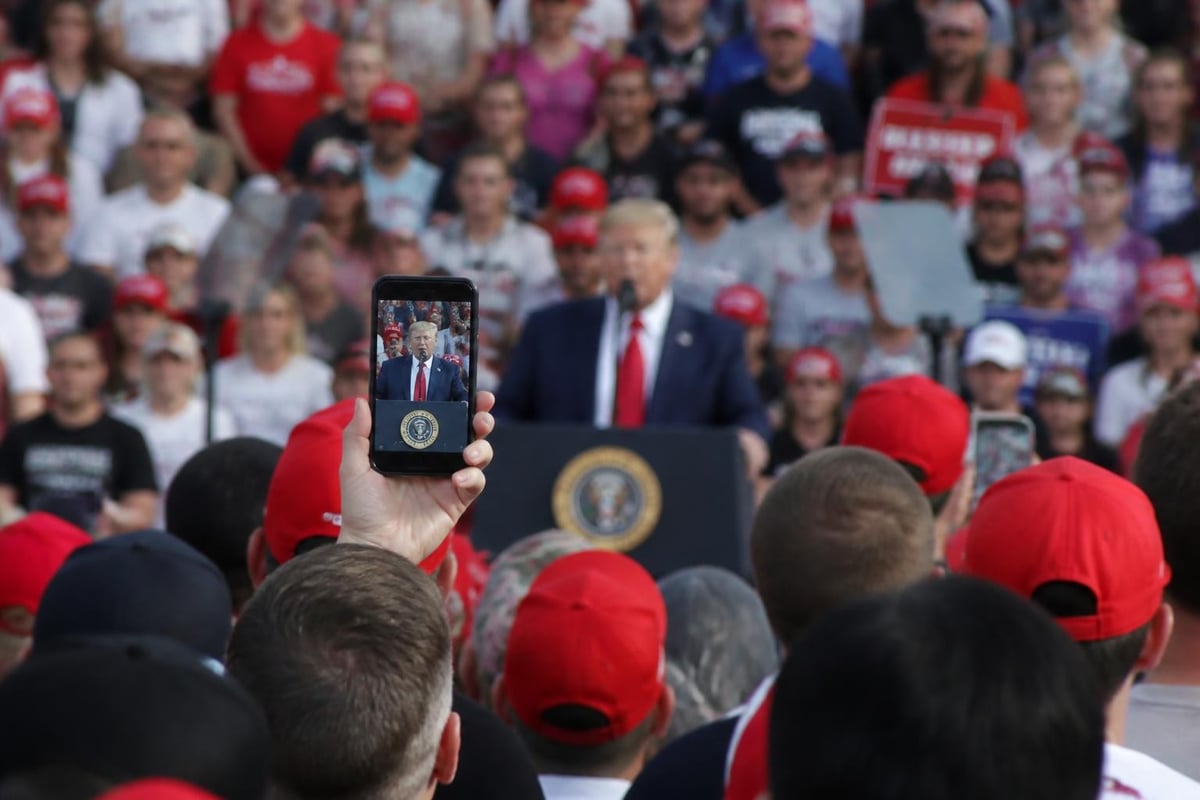
Platform-Specific Algorithm Behaviors in Political Contexts
Different social media platforms employ distinct algorithmic approaches that affect political communication strategies. Understanding these variations helps explain why presidential campaigns maintain diverse platform presences with tailored messaging strategies.
| Platform | Primary Algorithm Focus | Political Impact |
|---|---|---|
| Meaningful interactions among connections | Favors personal political discussions and community engagement | |
| Visual engagement and discovery | Emphasizes image-driven campaign messaging | |
| X (Twitter) | Real-time relevance and conversation | Prioritizes breaking political news and rapid response |
| TikTok | Entertainment value and watch time | Rewards creative, engaging political content formats |
According to Pew Research Center findings on political navigation across platforms, Americans encounter political content differently depending on which platform they use, with significant variations in sharing behaviors and engagement patterns.
Meta's Ecosystem and Presidential Campaigns
Facebook and Instagram, both owned by Meta, represent critical channels for reaching voters across demographic segments. The relationship between social media algorithms and politics on these platforms has attracted intense scrutiny, particularly regarding political polarization effects.
An in-depth analysis of Meta’s algorithms reveals the complexity of addressing political division through algorithmic adjustments alone. Presidential campaigns must navigate these systems while adapting to frequent policy changes and feature updates.
Meta's algorithms prioritize content from friends and family, which means political posts shared by personal connections often receive more visibility than official campaign announcements. This dynamic has reshaped how campaigns approach grassroots organizing and supporter activation.
The Filter Bubble Phenomenon and Presidential Elections
Social media algorithms and politics intersect most controversially in the creation of filter bubbles-personalized information environments that reinforce existing political beliefs. When algorithms learn user preferences, they increasingly show similar content, potentially limiting exposure to diverse political perspectives.
For presidential elections, this means voters may receive algorithmically curated information that confirms their existing candidate preferences rather than exposing them to competing viewpoints. The implications for democratic discourse and informed voting remain subjects of ongoing debate.
Filter bubble characteristics include:
- Decreased exposure to opposing political viewpoints
- Reinforcement of existing candidate preferences
- Limited awareness of alternative policy positions
- Increased susceptibility to confirmation bias
- Reduced common ground for political dialogue
Presidential campaigns increasingly recognize these dynamics, developing strategies to break through filter bubbles and reach persuadable voters. This requires sophisticated targeting combined with message testing to identify content that algorithms will promote across ideological boundaries.

Algorithmic Influence on Campaign Strategy and Messaging
Modern presidential campaigns dedicate substantial resources to understanding and optimizing for social media algorithms. Campaign teams now include data scientists and digital strategists who analyze algorithmic performance metrics to refine messaging approaches.
The relationship between social media algorithms and politics has created new campaign roles focused exclusively on platform optimization. These specialists monitor engagement patterns, test content variations, and adjust posting strategies based on algorithmic feedback.
Content Optimization Techniques
Presidential campaigns employ several tactics to maximize algorithmic visibility:
- A/B testing headline variations to identify high-engagement framings
- Timing optimization based on platform-specific activity patterns
- Format experimentation across video, images, and text posts
- Engagement seeding through coordinated supporter activation
- Hashtag strategy aligned with trending topics
These techniques have evolved significantly since early social media campaigns. What worked during the Biden administration’s communication efforts may require adjustment as algorithms evolve and platform policies change.
The Role of Artificial Intelligence in Political Algorithms
Artificial intelligence technologies increasingly power the algorithms that govern political content distribution. Machine learning models predict user interests with growing accuracy, creating more sophisticated personalization that affects political messaging effectiveness.
The transformation extends beyond content curation. AI’s broader impact on reshaping politics includes automated content generation, sophisticated targeting, and predictive analytics that inform campaign strategies at unprecedented scales.
AI-driven political algorithm capabilities:
- Sentiment analysis of voter reactions to candidates
- Predictive modeling of content virality potential
- Automated content categorization and moderation
- Personalized messaging recommendations
- Real-time performance optimization
Presidential campaigns now compete not just with opponents but with entertainment, news, and commercial content for algorithmic attention. The AI systems determining visibility operate based on engagement metrics that don't distinguish between political importance and entertainment value.
Transparency and Accountability Challenges
The black-box nature of social media algorithms and politics creates accountability challenges. Presidential campaigns, voters, and researchers struggle to understand exactly why certain political content receives promotion while other messages languish.
Research on Twitter’s personalization algorithms demonstrates the difficulty of reverse-engineering these systems even with extensive data access. The opacity raises questions about fairness, bias, and democratic values in political communication.
Voter Engagement and Algorithmic Mediation
Social media algorithms fundamentally alter how voters discover and engage with presidential candidates. Traditional campaign touchpoints like rallies, advertisements, and debates now compete with algorithmically curated social feeds as primary information sources.
Studies on social media platforms’ impact on political interest show that recommendation algorithms can increase or decrease political engagement depending on their design and implementation. For presidential campaigns, this creates both opportunities and vulnerabilities.
Young voters particularly rely on social platforms for political information, making algorithmic visibility crucial for candidates seeking to mobilize this demographic. The relationship between social media algorithms and politics directly affects voter turnout among groups that traditional campaign methods struggle to reach.
| Voter Segment | Primary Platform | Algorithm Sensitivity | Engagement Pattern |
|---|---|---|---|
| Ages 18-29 | TikTok, Instagram | High | Short-form, visual content |
| Ages 30-49 | Facebook, X | Medium | News-oriented, discussion-based |
| Ages 50-64 | Medium | Longer content, shares | |
| Ages 65+ | Low | News articles, traditional media |

Political Advertising and Algorithmic Targeting
Paid political advertising on social platforms operates within algorithmic frameworks that determine ad delivery and performance. Presidential campaigns spend millions optimizing ad campaigns for algorithmic systems that decide which voters see specific messages.
The intersection of social media algorithms and politics in advertising creates precision targeting capabilities unprecedented in campaign history. Campaigns can reach specific voter segments based on demographics, interests, behaviors, and predicted political leanings.
Targeting Capabilities and Limitations
Advanced targeting options include:
- Geographic precision down to neighborhood level
- Interest-based targeting related to policy issues
- Lookalike audiences similar to existing supporters
- Behavioral targeting based on online activities
- Retargeting of website visitors and engaged users
However, platforms have implemented restrictions on political ad targeting following controversies about microtargeting and misinformation. These limitations affect how presidential campaigns reach voters, requiring broader messaging approaches than algorithmic capabilities technically allow.
Presidential campaigns must balance algorithmic optimization with authentic communication. Over-optimization can produce content that performs well algorithmically but feels inauthentic to voters, potentially damaging candidate credibility.
Misinformation Spread Through Algorithmic Amplification
The relationship between social media algorithms and politics includes serious concerns about misinformation propagation. False or misleading political content often generates high engagement, which algorithms interpret as valuable and promote accordingly.
Presidential elections face particular vulnerability to algorithmic misinformation amplification. Sensational false claims about candidates can spread rapidly when algorithms prioritize engagement over accuracy. Platform companies have implemented various interventions, but challenges persist.
Common misinformation patterns include:
- Manipulated videos or images of presidential candidates
- False claims about voting procedures and eligibility
- Misleading statistics about candidate positions or records
- Fabricated endorsements or policy announcements
- Conspiracy theories about election integrity
The U.S. Presidential Report provides fact-based coverage to counter algorithmic misinformation, helping readers distinguish credible presidential news from false claims that gain algorithmic traction.
Measuring Algorithmic Impact on Political Outcomes
Quantifying how social media algorithms and politics interact to influence election results remains methodologically challenging. Presidential campaigns track numerous metrics attempting to correlate algorithmic performance with voter behavior and electoral success.
Researchers employ various approaches to measure algorithmic political impact, including controlled experiments, observational studies, and platform data analysis. Methods for assessing politicization in online conversations help illuminate how algorithms affect political discourse beyond simple engagement metrics.
Key measurement challenges:
- Isolating algorithmic effects from other campaign influences
- Accessing sufficient platform data for robust analysis
- Accounting for offline political activities and traditional media
- Measuring long-term persuasion versus immediate engagement
- Understanding cumulative effects across multiple platforms
Presidential campaigns increasingly rely on sophisticated analytics attempting to understand return on investment for social media efforts. However, the proprietary nature of platform algorithms limits definitive causal conclusions about political impact.
Future Directions for Algorithms and Presidential Politics
As we progress through 2026, the relationship between social media algorithms and politics continues evolving. Platform companies adjust their systems in response to regulatory pressure, public criticism, and competitive dynamics, creating an ever-changing environment for presidential campaigns.
Emerging trends include increased AI sophistication, greater regulatory scrutiny, and potential user backlash against excessive algorithmic curation. Presidential candidates must adapt strategies to these shifting dynamics while maintaining message consistency and authenticity.
The next presidential election cycle will likely feature new algorithmic challenges and opportunities that don't exist today. Campaign teams that stay current with platform changes and maintain flexibility in their digital strategies will have significant advantages in reaching and persuading voters through algorithmically mediated channels.
Understanding how social media algorithms and politics intersect has become essential for anyone following presidential elections and U.S. governance. These automated systems shape which political messages reach voters, influence campaign strategies, and affect democratic discourse in ways that continue evolving. For comprehensive, non-partisan coverage of how current and past presidents navigate these digital landscapes, U.S. Presidential Report delivers the latest news and analysis on presidential politics, helping readers stay informed about the forces shaping American democracy.