The presidential emergency powers review 2026 represents a critical examination of executive authority during national crises, bringing renewed attention to how emergency declarations shape American governance. As the nation navigates economic uncertainties, geopolitical tensions, and ongoing domestic challenges, understanding the scope and limitations of presidential emergency powers has never been more important. This comprehensive review comes at a pivotal moment when policymakers, legal scholars, and citizens alike are questioning whether existing frameworks adequately balance executive flexibility with constitutional safeguards.
Understanding Presidential Emergency Powers
Presidential emergency powers grant the Chief Executive extraordinary authority to respond to national crises swiftly and decisively. These powers stem from both statutory law and constitutional interpretation, creating a complex legal framework that has evolved substantially since the founding of the republic.
The Legal Foundation
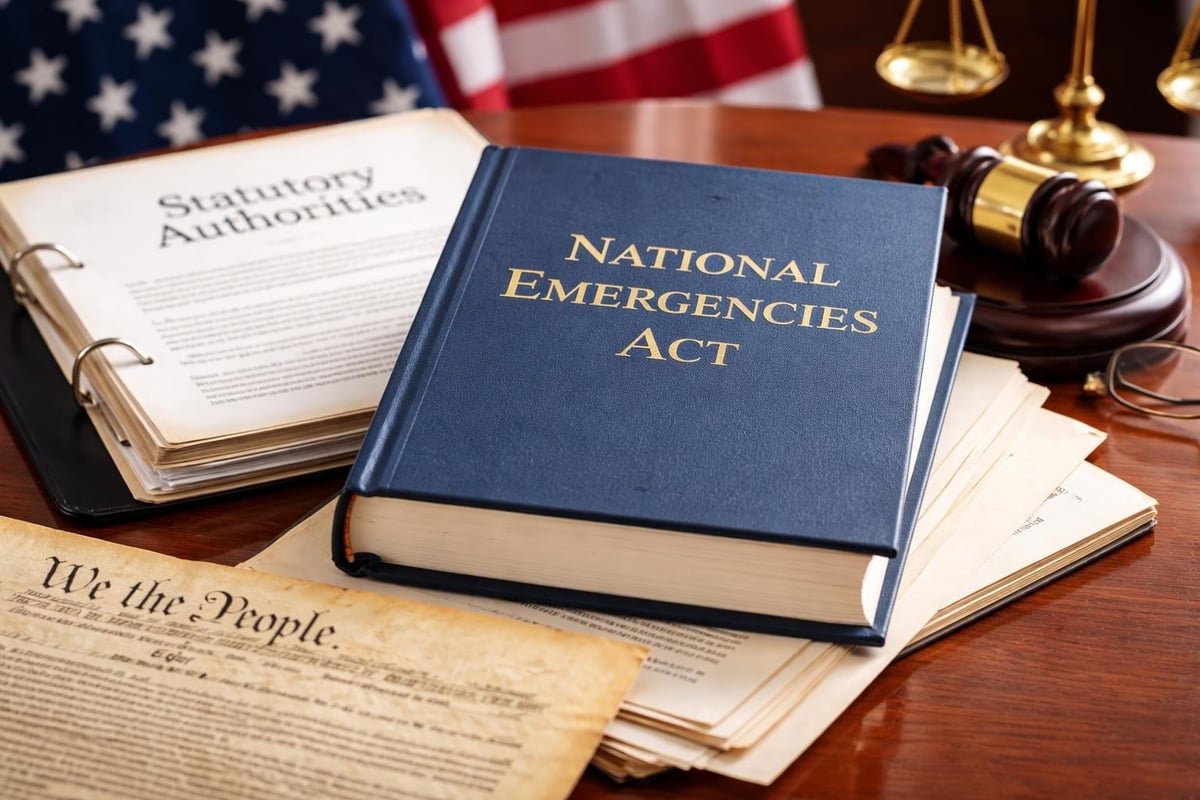
The National Emergencies Act of 1976 established the primary statutory framework governing how presidents declare and maintain emergencies. This legislation was designed to impose procedural requirements and oversight mechanisms on what had become an increasingly unchecked executive power.
Key components of the legal framework include:
- Formal declaration requirements through presidential proclamation
- Congressional review mechanisms allowing for termination votes
- Annual renewal requirements for ongoing emergencies
- Reporting obligations to maintain transparency
The extensive powers available upon declaring a national emergency encompass over 130 statutory authorities that presidents can invoke. These range from controlling domestic transportation systems to freezing financial assets and regulating communications infrastructure.
Historical Context and Evolution
Emergency powers have been invoked throughout American history, from Lincoln's suspension of habeas corpus during the Civil War to Roosevelt's actions during the Great Depression. The modern emergency powers regime reflects lessons learned from both necessary crisis responses and concerning overreach.
The presidential emergency powers review 2026 examines how these historical precedents inform current practice. Recent administrations have maintained numerous emergency declarations simultaneously, raising questions about whether genuine emergencies require such prolonged executive action.
| Era | Notable Emergency Declaration | Duration | Key Powers Invoked |
|---|---|---|---|
| Civil War | Habeas Corpus Suspension | 1861-1866 | Military detention |
| World War I | Trading with the Enemy Act | 1917-1921 | Economic controls |
| Great Depression | Banking Crisis | 1933 | Financial regulation |
| Post-9/11 | National Emergency | 2001-Present | Military operations |
The 2026 Review Process
The presidential emergency powers review 2026 encompasses multiple governmental and non-governmental initiatives aimed at assessing whether current emergency authorities serve contemporary needs while protecting democratic norms.
Congressional Initiatives
Congress has launched several parallel review efforts focusing on different aspects of emergency powers. The Senate Homeland Security Committee and House Oversight Committee are conducting joint hearings to examine how emergency declarations have been utilized over the past decade.
Legislators are particularly interested in addressing the proliferation of long-standing emergencies that remain active years or even decades after their initial declaration. Congressional efforts to rein in presidential emergency powers emphasize restoring meaningful legislative oversight.
Priority areas for congressional review:
- Automatic sunset provisions requiring positive congressional action to extend emergencies beyond six months
- Enhanced reporting requirements detailing specific powers being exercised
- Streamlined procedures for congressional disapproval votes
- Clearer definitions of what constitutes a genuine emergency
Executive Branch Self-Assessment
The White House has also initiated internal reviews examining how emergency powers have been exercised. The Federal Emergency Management Agency Review Council extension demonstrates ongoing executive branch efforts to evaluate emergency management frameworks.
This self-assessment focuses on identifying redundant authorities, streamlining emergency response procedures, and ensuring emergency powers align with constitutional principles. The administration recognizes that excessive reliance on emergency declarations can undermine public trust and blur the distinction between routine governance and genuine crisis response.

Key Issues Under Examination
The presidential emergency powers review 2026 addresses several critical concerns that have emerged through decades of emergency declarations and their increasingly routine use.
Scope and Duration of Emergencies
One fundamental question centers on how long emergency declarations should remain active. Currently, dozens of national emergencies dating back multiple administrations continue indefinitely with minimal congressional oversight.
Critics argue this indefinite duration transforms temporary crisis authorities into permanent executive powers. Reform proposals for emergency powers emphasize mandatory termination dates requiring explicit congressional authorization for extensions.
Constitutional Boundaries
The review examines whether current emergency powers properly respect constitutional separation of powers. Legal scholars question whether delegating such broad authorities to the executive branch effectively allows presidents to bypass normal legislative processes.
Analysis of constitutional frameworks governing emergency powers addresses particularly sensitive questions, including whether emergency authorities could be misused to extend presidential terms or postpone elections. The presidential emergency powers review 2026 takes these constitutional concerns seriously.
Transparency and Accountability
Current reporting requirements often fail to provide meaningful transparency about how emergency powers are being exercised. The review process is examining whether existing mechanisms adequately inform Congress and the public about specific actions taken under emergency authority.
Proposed transparency enhancements include:
- Real-time public databases tracking emergency declarations and their specific use
- Quarterly detailed reports to Congress outlining all actions taken under emergency authority
- Independent audits assessing whether emergency powers were necessary and effective
- Public notice requirements before invoking new emergency authorities
Reform Proposals and Recommendations
Multiple organizations and policymakers have advanced concrete proposals emerging from the presidential emergency powers review 2026 process.
Legislative Reform Options
Several bills currently under consideration would substantially revise the National Emergencies Act. These proposals share common themes while differing in specific approaches.
The ARTICLE One Act, for example, would require congressional approval within 30 days for any emergency declaration to remain in effect. This represents a significant departure from current law, where emergencies continue unless Congress actively votes to terminate them.
Testimony on restoring congressional oversight highlights how this inversion of default rules would restore meaningful legislative control without preventing rapid executive response to genuine crises.
| Reform Proposal | Key Feature | Congressional Support | Implementation Timeline |
|---|---|---|---|
| ARTICLE One Act | 30-day congressional approval | Bipartisan moderate | 2026-2027 |
| Emergency Powers Sunset Act | Automatic 6-month termination | Strong minority | 2027-2028 |
| Emergency Transparency Act | Enhanced reporting | Broad bipartisan | 2026 |
| National Emergencies Database Act | Public tracking system | Universal support | 2026 |
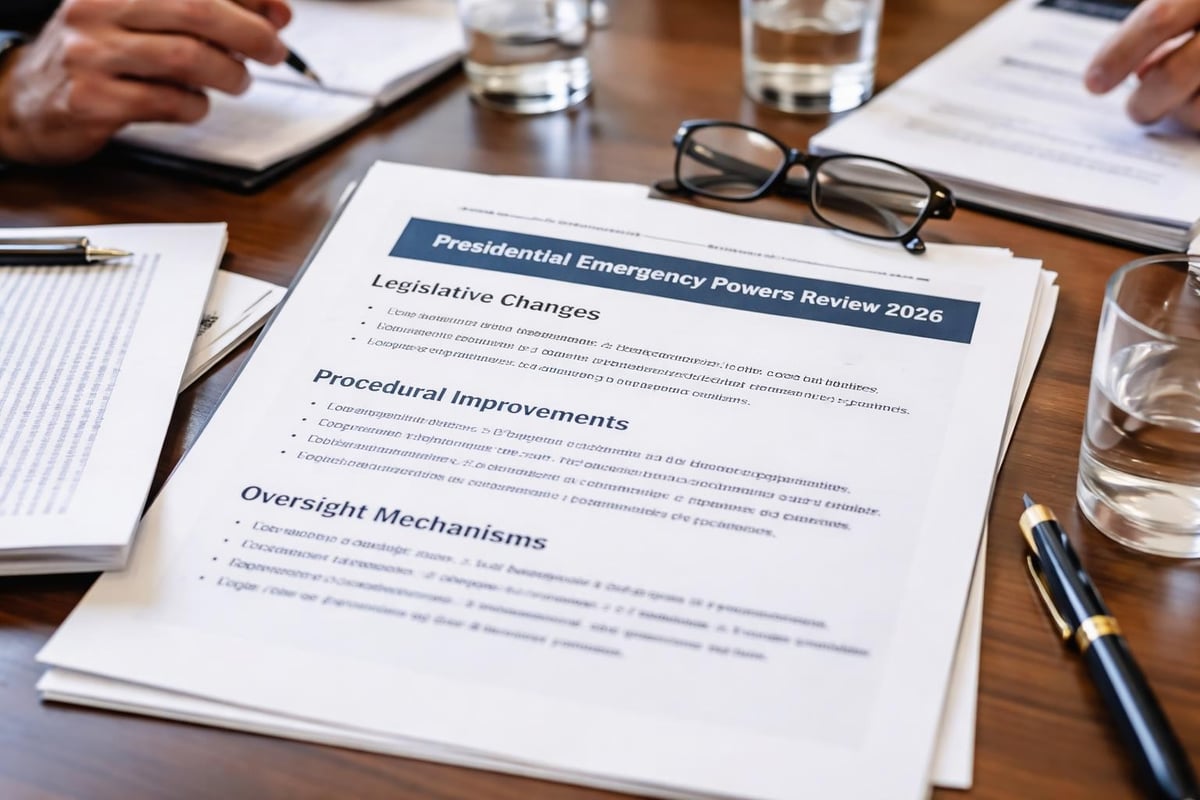
Procedural Improvements
Beyond statutory changes, the review process has identified procedural improvements that could be implemented through executive order or administrative action.
These include establishing internal executive branch review boards that periodically assess whether ongoing emergencies remain necessary. Such boards would provide presidents with regular evaluations of whether emergency conditions persist and whether invoked powers are being used appropriately.
Additionally, improved inter-agency coordination during emergencies could reduce duplication and ensure emergency powers are exercised efficiently. The presidential emergency powers review 2026 has revealed that multiple agencies sometimes invoke overlapping authorities without adequate coordination.
Implications for Future Governance
The outcomes of the presidential emergency powers review 2026 will shape how American government responds to future crises for decades to come.
Balancing Flexibility and Restraint
Any successful reform must preserve the executive branch's ability to act quickly during genuine emergencies while preventing the normalization of crisis governance. This balance represents the central challenge facing reformers.
Proponents of maintaining broad emergency powers argue that unpredictable threats require flexible executive authority. Restricting emergency powers too severely, they contend, could leave the nation vulnerable during rapidly evolving crises.
Conversely, those advocating substantial reforms emphasize that unchecked emergency powers pose their own threat to national security by undermining democratic institutions and the rule of law. Comprehensive overviews of presidential emergency powers demonstrate how crisis authorities can become tools of executive overreach.
Impact on Midterm Elections
The timing of the presidential emergency powers review 2026 intersects with midterm election dynamics. Analysis of emergency powers’ impact on elections examines how emergency declarations could potentially affect electoral processes and outcomes.
This intersection raises important questions about whether emergency powers could be invoked in ways that advantage incumbents or affect voter participation. Ensuring elections proceed normally even during declared emergencies represents a critical safeguard that reform proposals must address.
Long-Term Institutional Effects
The presidential emergency powers review 2026 recognizes that how we structure emergency authorities shapes broader governance patterns. Routine reliance on emergency powers to circumvent normal legislative processes gradually erodes separation of powers and diminishes congressional relevance.
Long-term institutional considerations include:
- Maintaining congressional expertise and capacity for crisis policymaking
- Preserving public understanding of normal versus emergency governance
- Preventing executive branch institutional bias toward crisis declarations
- Ensuring future presidents respect reformed limitations
Readers interested in tracking how these developments unfold can follow ongoing coverage of presidents in the news as the review process continues throughout 2026.
Stakeholder Perspectives
The presidential emergency powers review 2026 has generated input from diverse stakeholders with varying perspectives on appropriate reform approaches.
Legal Scholars and Constitutional Experts
Academic experts generally support significant reforms to emergency powers frameworks. Historical analysis from policy centers emphasizes that the founders intended legislative predominance in policymaking, with executive authority reserved for implementation and emergencies requiring immediate action.
Constitutional scholars particularly emphasize that emergency powers should not become permanent executive authorities. They advocate for clear sunset provisions and robust congressional oversight mechanisms that make emergency declarations truly temporary and exceptional.
Former Government Officials
Perspectives from former presidents, cabinet secretaries, and senior officials provide practical insights into how emergency powers function in practice. Many former officials acknowledge that while they relied on emergency authorities during their service, the current system lacks adequate checks and balances.
These insider perspectives prove particularly valuable for identifying which reforms would preserve necessary executive flexibility while eliminating problematic authorities. Former officials generally support enhanced reporting requirements and congressional review mechanisms that don't prevent rapid crisis response.
Civil Society Organizations
Advocacy groups across the political spectrum have engaged actively in the presidential emergency powers review 2026 process. Organizations concerned with civil liberties emphasize preventing emergency powers from infringing on constitutional rights, while good-government groups focus on transparency and accountability.
This broad civil society engagement reflects widespread recognition that emergency powers affect fundamental questions about American democracy and the rule of law. The diversity of perspectives has enriched the review process by highlighting concerns that might otherwise be overlooked.
Public Opinion Trends
Polling data reveals that Americans across partisan divides support stronger oversight of emergency powers, though they differ on specific approaches. Most citizens believe presidents should have authority to respond to genuine emergencies but express concern about indefinite emergency declarations.
Public engagement with the presidential emergency powers review 2026 remains limited compared to other political issues, though awareness has increased as media coverage expands. For comprehensive analysis of how these issues connect to broader presidential governance, visit U.S. Presidential Report for non-partisan coverage.
International Comparisons
Examining how other democracies structure emergency powers provides valuable context for American reform efforts.
Parliamentary Systems
Many parliamentary democracies grant their executives significant emergency authorities but structure those powers differently than the American system. Parliamentary confidence requirements create an automatic check on executive overreach, since governments that abuse emergency powers risk losing legislative support.
The presidential emergency powers review 2026 has examined these international models while recognizing that America's constitutional system of fixed terms and separate branches requires distinct oversight mechanisms.
Judicial Review Mechanisms
Several democracies empower their courts to review emergency declarations more extensively than American courts typically do. Constitutional courts in Germany and South Africa, for example, actively assess whether declared emergencies meet constitutional standards and whether invoked powers are proportionate to actual threats.
Enhanced judicial review represents one potential reform avenue, though it raises complex questions about appropriate judicial deference to executive judgment during crises.
The presidential emergency powers review 2026 represents a critical opportunity to rebalance executive authority and democratic accountability in American governance. As this review process continues throughout the year, its outcomes will fundamentally shape how future administrations respond to national crises while respecting constitutional limits. For non-partisan coverage of these developments and comprehensive analysis of presidential actions, U.S. Presidential Report provides in-depth reporting on executive authority, congressional oversight, and the evolving relationship between emergency powers and democratic governance.