The question of who holds the record as the oldest president elected has evolved significantly throughout American history. As life expectancy increases and medical advancements extend healthy, active years, voters have shown growing willingness to elect older leaders. This shift reflects changing demographics, evolving perceptions of age and capability, and a recognition that experience often comes with years. The current record holder represents a watershed moment in American political history, breaking barriers that once seemed insurmountable.
The Current Record Holder: Joe Biden
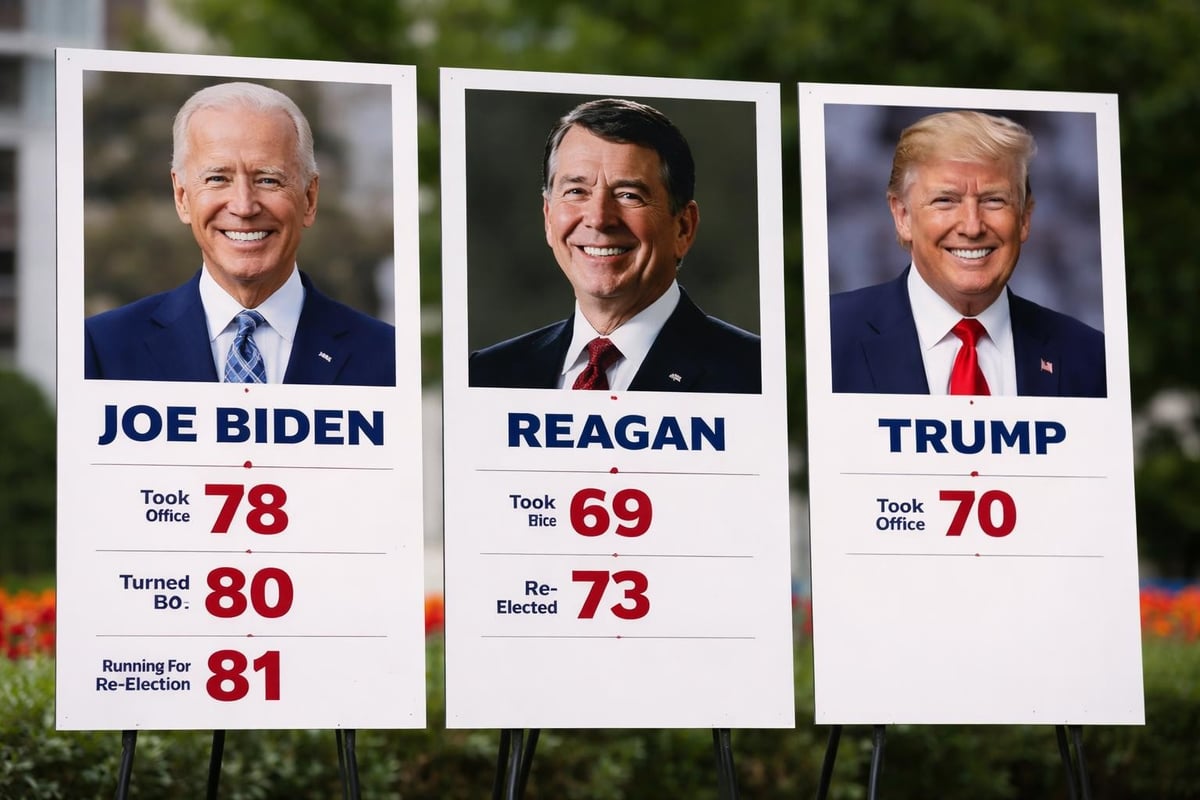
Joe Biden earned the distinction as the oldest person elected as U.S. president when he won the 2020 election at 77 years old, taking office at 78 years and 61 days on January 20, 2021. This milestone shattered the previous record held by Donald Trump, who was 70 when he assumed office in 2017.
Biden's victory represented more than just a numerical record. It signaled a fundamental shift in how American voters evaluate presidential candidates, placing increased emphasis on experience, institutional knowledge, and proven leadership during turbulent times.
Breaking Down the Numbers
The age differential between Biden and his predecessors reveals an accelerating trend:
| President | Age at Inauguration | Year | Previous Record Held |
|---|---|---|---|
| Joe Biden | 78 years, 61 days | 2021 | 3 years older than Trump |
| Donald Trump | 70 years, 220 days | 2017 | 237 days older than Reagan |
| Ronald Reagan | 69 years, 349 days | 1981 | Nearly 1 year older than Harrison |
| William Henry Harrison | 68 years, 23 days | 1841 | Previous oldest |
Biden's record extended beyond his initial election. Throughout his term, he maintained his position as the oldest sitting president in American history, surpassing Reagan's age records at every comparable milestone.
Historical Context of Presidential Age
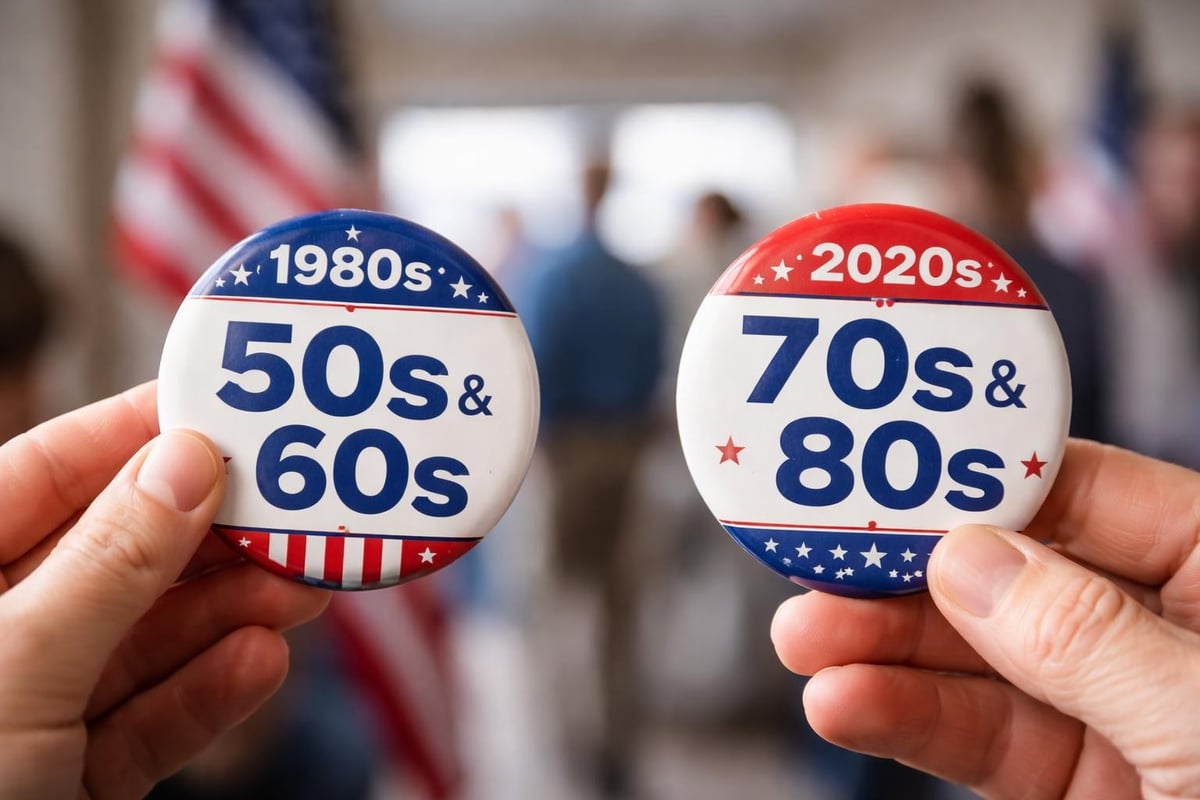
For most of American history, presidents tended to be in their fifties when taking office. The complete age data of U.S. presidents shows Theodore Roosevelt as the youngest at 42, while the average age has steadily climbed over the decades.
Key historical trends include:
- Early republic presidents averaged 57 years old
- Mid-20th century saw ages cluster around 54-55
- Late 20th century pushed toward early 60s
- 21st century has seen a dramatic spike toward 70s
The oldest president elected before the modern era was William Henry Harrison in 1841. His age of 68 was considered remarkably advanced for his time, and sadly, he died just 31 days into his presidency from pneumonia, though this was likely unrelated to his age.
The Reagan Era Shift
Ronald Reagan fundamentally changed perceptions about age and presidential fitness when he became the oldest president elected in 1980 at age 69. His electoral history demonstrates how he successfully addressed age concerns through humor, vitality, and effective campaigning.
Reagan's famous debate quip in 1984, "I will not make age an issue of this campaign. I am not going to exploit, for political purposes, my opponent's youth and inexperience," effectively neutralized concerns about his being 73 during his re-election campaign. This moment became a template for how older candidates could address age questions with confidence rather than defensiveness.
Global Perspective on Oldest Leaders Elected
While Biden holds the American record, the United States is far from unique in electing older leaders. Globally, several nations have elected presidents at even more advanced ages, providing interesting comparisons for understanding age in democratic governance.
International Records
The world’s oldest serving president is currently Paul Biya of Cameroon, who at 92 continues to lead his nation. Biya's longevity in office, spanning over four decades since 1982, represents a different model of leadership from term-limited American presidents.
Tunisia's Beji Caid Essebsi became the oldest appointed president when he assumed office at 88 years and 32 days in December 2014, following the Arab Spring transitions in that nation.
Other notable examples include:
- Éamon de Valera of Ireland, re-elected president at 84 in 1966
- Nana Akufo-Addo of Ghana, who became president at 72, the oldest in his nation's history
- Mahmoud Abbas of Palestine, elected at 69 and continuing in office well into his 80s
| Leader | Country | Age When Elected/Appointed | Year |
|---|---|---|---|
| Paul Biya | Cameroon | 49 (current age 92) | 1982 |
| Beji Caid Essebsi | Tunisia | 88 | 2014 |
| Éamon de Valera | Ireland | 84 (re-election) | 1966 |
| Joe Biden | United States | 77 | 2020 |
| Donald Trump | United States | 70 | 2016 |
Why Presidential Ages Have Increased
Multiple demographic, medical, and political factors explain why the oldest president elected records have been repeatedly broken in recent decades.
Demographic Shifts
The American electorate itself has aged considerably. Baby Boomers, the largest generational cohort, now comprise a significant portion of voters who may feel more comfortable with candidates closer to their own age. As this demographic has moved through life stages, their preferred candidate profiles have shifted accordingly.
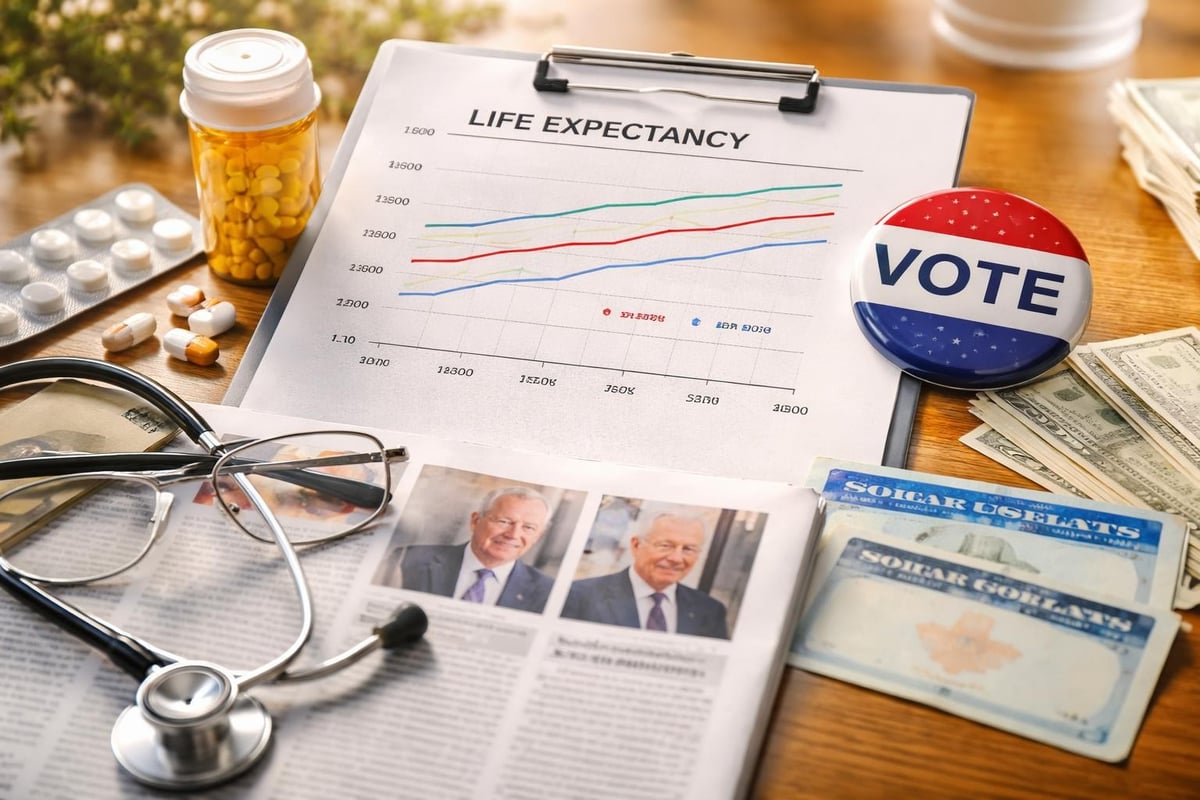
Additionally, increased life expectancy means that being in one's 70s today is comparable to being in one's 60s a generation ago. Modern 75-year-olds often maintain activity levels and cognitive sharpness that would have been exceptional decades earlier.
The Experience Premium
Modern voters increasingly value governmental experience and institutional knowledge. The complexity of federal governance, international relations, and economic policy creates advantages for candidates who have spent decades navigating these systems.
Experience factors that favor older candidates:
- Established relationships with world leaders
- Deep understanding of legislative processes
- Crisis management experience
- Proven track record across multiple administrations
- Established donor and support networks
Medical Advancements
Healthcare improvements have extended not just lifespan but healthspan-the years people remain active and capable. Presidents now have access to exceptional medical care that can manage conditions that would have been disqualifying in earlier eras.
Regular health screenings, preventive medicine, and advanced treatments mean that septuagenarians can maintain demanding schedules that would challenge people decades younger. This medical reality has reshaped voter perceptions about age-related fitness for office.
Age-Related Campaign Challenges
Despite changing attitudes, candidates who might become the oldest president elected still face unique campaign obstacles that require strategic management.
Physical Stamina Requirements
Presidential campaigns demand grueling schedules-multiple events daily, constant travel across time zones, late-night strategy sessions, and early-morning media appearances. Demonstrating physical stamina becomes essential for older candidates to counter narratives about energy and endurance.
Biden's campaign in 2020 addressed this partially through the COVID-19 pandemic's virtual campaigning format, which reduced some physical demands while raising different questions about engagement and presence.
Cognitive Acuity Concerns
Fair or not, older candidates face intensified scrutiny regarding mental sharpness. Verbal slips that might be overlooked in younger candidates become fodder for speculation about cognitive decline. This creates pressure for flawless debate performances and public appearances.
Candidates must balance transparency about health with avoiding excessive focus on age-related issues. Medical records, physician letters, and carefully managed public appearances all become crucial campaign elements.
Succession Questions
When the oldest president elected takes office, vice presidential selection carries heightened importance. Voters naturally consider succession scenarios more seriously with older presidents, making the running mate choice potentially more influential than with younger candidates.
This dynamic influenced Biden's selection of Kamala Harris, whose youth relative to Biden (she was 56 at inauguration) provided generational balance while her experience addressed readiness concerns.
The Vice Presidency Factor
The role of the vice president has evolved significantly when the oldest president elected serves in office. Traditionally somewhat ceremonial, the position now often involves substantial policy portfolios and visible leadership roles.
Delegating Responsibilities
Older presidents may strategically delegate more responsibilities to vice presidents and senior staff, creating more distributed leadership models. This can be framed as either prudent team-building or concerning power dilution, depending on political perspective.
Biden's approach has involved assigning Harris specific policy areas while maintaining direct engagement in major decisions-a balance intended to maximize both experience and collaborative governance.
Succession Planning Visibility
Unlike with younger presidents, succession planning becomes an overt rather than theoretical consideration. This creates unique political dynamics around the vice president's own political ambitions and public positioning.
The 25th Amendment, which addresses presidential disability and succession, receives more attention when the oldest president elected serves, though it has rarely been invoked for anything beyond temporary medical procedures.
Voter Perceptions and Polling Data
Public opinion about age and presidential fitness has shifted considerably, though concerns persist across the political spectrum. Polling reveals complex, sometimes contradictory attitudes about older candidates.
Common voter considerations include:
- Experience and wisdom associated with age
- Concerns about health and stamina
- Generational representation and understanding modern issues
- Ability to serve a full term or potential second term
- Connection to younger voters and emerging constituencies
Interestingly, age concerns often matter less than partisan affiliation. Voters tend to express more concern about opposing party candidates' ages while minimizing similar issues with their preferred candidates-a phenomenon political scientists call motivated reasoning.
Looking Forward: Future Age Records
Given current trends, the record for oldest president elected may be broken again in coming election cycles. Several factors suggest this possibility:
- Incumbent advantage: Sitting presidents seeking re-election would naturally be older
- Extended careers: Politicians are remaining active longer than previous generations
- Compressed candidate pools: Both major parties have seen older candidate slates recently
- Voter acceptance: Demonstrated willingness to elect septuagenarians
However, countervailing forces may also emerge. Younger generations of voters may push for candidates closer to their own age, seeking fresh perspectives on technology, climate change, and social issues. The balance between experience and generational turnover remains an ongoing tension in American politics.
Age Versus Other Qualifications
While the oldest president elected receives significant attention, age represents just one qualification factor among many that voters consider. Character, policy positions, leadership ability, and political philosophy often matter more than chronological age.
The U.S. Presidential Report covers how presidents of various ages have approached governance differently, with success and failure distributed across the age spectrum. Young presidents like Theodore Roosevelt achieved remarkable accomplishments, as did older presidents like Dwight Eisenhower.
Balancing Age with Other Factors
Voters ultimately make holistic judgments that weigh:
| Factor | Considerations |
|---|---|
| Experience | Government service, crisis management, leadership roles |
| Health | Physical stamina, medical transparency, family history |
| Vision | Policy agenda, long-term planning, adaptability |
| Communication | Public speaking, media engagement, persuasive ability |
| Character | Integrity, decision-making, temperament |
| Age | Energy levels, generational perspective, term completion likelihood |
The most successful older candidates excel across multiple dimensions, making age just one component of their overall profile rather than a defining characteristic.
Impact on Presidential Libraries and Legacy
When the oldest president elected completes their term, unique legacy considerations emerge. Presidential libraries and historical assessments must account for how age influenced their tenure, decision-making, and policy priorities.
Older presidents may approach legacy-building differently, with heightened awareness of historical judgment and perhaps less concern about future political ambitions. This can lead to both greater boldness in controversial decisions and more focus on cementing specific accomplishments.
The presidential library system will continue documenting how age interacts with presidential decision-making, providing future researchers with data about this important variable in executive leadership.
The evolution of who holds the record as the oldest president elected reflects broader changes in American society, from increasing life expectancy to shifting voter priorities. As demographics continue evolving and medical science extends healthy lifespans, age thresholds for presidential candidates will likely continue rising. For comprehensive, non-partisan coverage of presidential elections, policy decisions, and historical analysis, explore the latest updates at U.S. Presidential Report, where we track these trends and their implications for American governance.