The American system of governance rests on a fundamental tension designed by the Framers: the constant push and pull between legislative and executive authority. Understanding legislative power vs executive power in us governance requires examining how the Constitution distributes authority, how these branches interact in practice, and how their relationship has evolved over two and a half centuries. This dynamic balance shapes everything from war declarations to domestic policy implementation, affecting presidential administrations from the founding era through today's political landscape.
Constitutional Foundations of Separated Powers
The Constitution establishes distinct spheres of authority for Congress and the President, creating what James Madison called "ambition counteracting ambition." Article I grants Congress specific enumerated powers including taxation, regulation of commerce, declaration of war, and the power to make all laws "necessary and proper" for executing federal responsibilities. Article II vests executive power in the President, establishing authority to execute laws, command the armed forces, and conduct foreign relations.
This framework for legislative power vs executive power in us governance was revolutionary for its time. The Framers rejected both parliamentary supremacy and monarchical authority, instead crafting a system where neither branch could act unilaterally in most significant matters. Congress holds the power of the purse, controlling all federal spending through appropriations. The President cannot spend a dollar without congressional authorization, creating a fundamental check on executive action.
The Lawmaking Process and Presidential Influence
While Congress possesses exclusive authority to pass legislation, the President wields substantial influence over the lawmaking process through several mechanisms:
- Veto power: The ability to reject legislation, requiring a two-thirds supermajority in both chambers to override
- Agenda setting: Using the State of the Union and public platform to prioritize issues
- Party leadership: Coordinating with congressional allies to advance proposals
- Negotiation leverage: Trading support on various bills to build coalitions
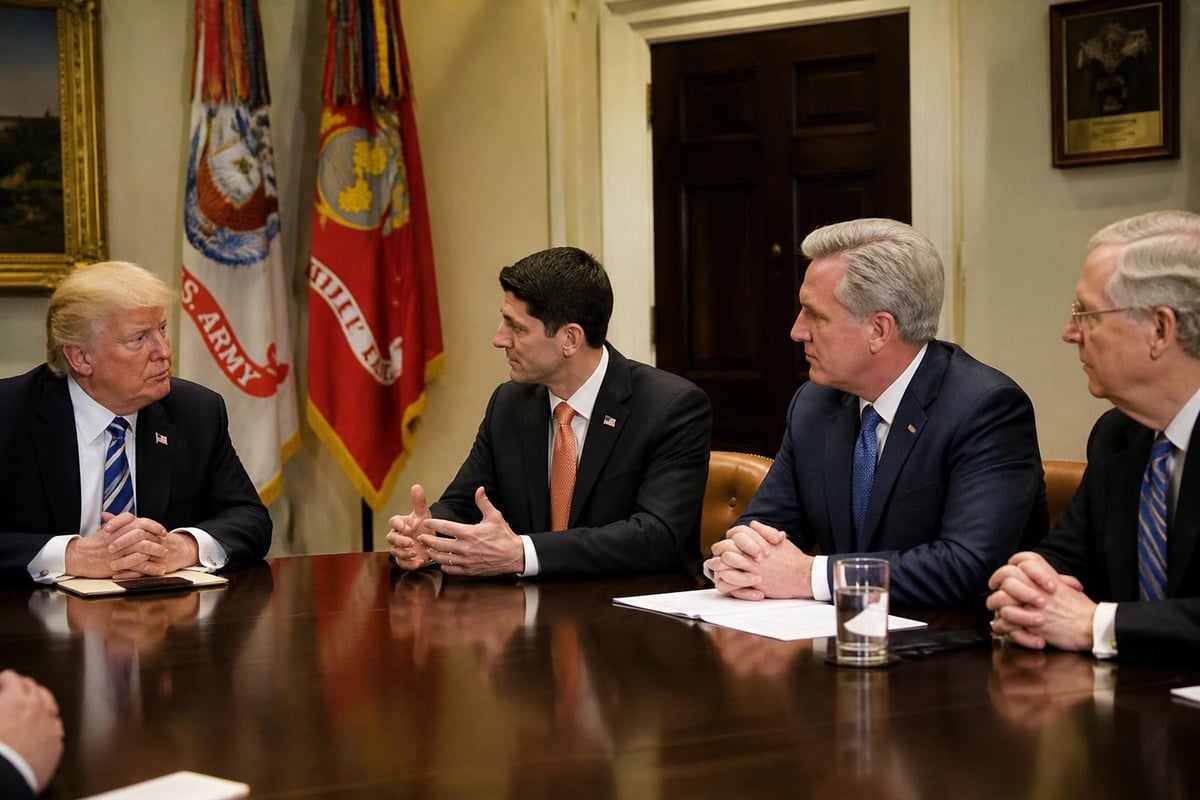
The legislative process demonstrates how legislative power vs executive power in us governance operates collaboratively rather than in isolation. Presidential administrations routinely draft legislation and work with congressional sponsors to introduce bills. Committee hearings may feature administration officials testifying about policy proposals. Recent debates over executive powers illustrate how presidents seek to expand their influence when legislative cooperation proves difficult.
Executive Orders and Administrative Authority
Presidents exercise substantial unilateral power through executive orders, memoranda, and administrative directives. These instruments allow the executive branch to implement policy without congressional approval, though their scope remains constitutionally limited. Executive orders cannot create new law or appropriate funds; they direct how the executive branch will execute existing statutory authority.
The legal framework governing executive orders emerged through judicial interpretation. Courts evaluate presidential directives based on whether they rest on constitutional authority, statutory authorization, or fall within an uncertain zone of concurrent powers. The Federal Judicial Center’s examination of judicial review explains how courts assess the legitimacy of executive actions and establish boundaries.
Limits on Unilateral Executive Action
The Supreme Court's 1952 decision in Youngstown Sheet & Tube Co. v. Sawyer established the foundational test for evaluating executive power. Justice Jackson's concurring opinion outlined three categories:
| Category | Presidential Authority | Congressional Position | Executive Power Level |
|---|---|---|---|
| Category One | Acts pursuant to congressional authorization | Express or implied approval | Authority at maximum |
| Category Two | Acts where Congress is silent | No grant or denial | Relies on inherent powers in uncertainty |
| Category Three | Acts contrary to congressional will | Express or implied prohibition | Authority at lowest ebb |
This framework shapes modern analysis of legislative power vs executive power in us governance. When presidents act with statutory backing, courts generally defer to executive judgment. When presidents claim inherent authority contradicting congressional statutes, they face the highest burden to demonstrate constitutional authorization.
Congressional Oversight and Investigation
Congress exercises legislative power through more than lawmaking alone. The oversight function allows committees to investigate executive branch activities, demand testimony, subpoena documents, and hold officials accountable. Congressional oversight tools and their legal limits demonstrate the breadth of legislative investigative authority and the constraints courts have imposed.
Oversight mechanisms include:
- Committee hearings with administration officials
- Subpoenas for documents and testimony
- Contempt proceedings for non-compliance
- Inspector General reports
- Government Accountability Office audits
- Confirmation hearings for executive nominees
Tensions arise when presidents assert executive privilege to withhold information from Congress. While courts recognize limited privilege protecting presidential communications, this authority is not absolute. Congress has legitimate need for information to fulfill its legislative and oversight responsibilities, creating ongoing disputes about the boundaries between branches.
The Power of the Purse as Leverage
Congressional control over appropriations represents perhaps the most significant check on executive power. No matter how ambitious a president's agenda, implementation requires funding that only Congress can provide. This dynamic shapes negotiations over everything from military operations to domestic programs.
The interplay of legislative power vs executive power in us governance becomes especially visible during budget battles. Presidents submit budget requests, but Congress controls the final appropriations through a complex process involving authorization and appropriations committees in both chambers. Presidential policy disagreements often center on funding disputes where Congress refuses to appropriate money for executive priorities.
War Powers and Foreign Affairs
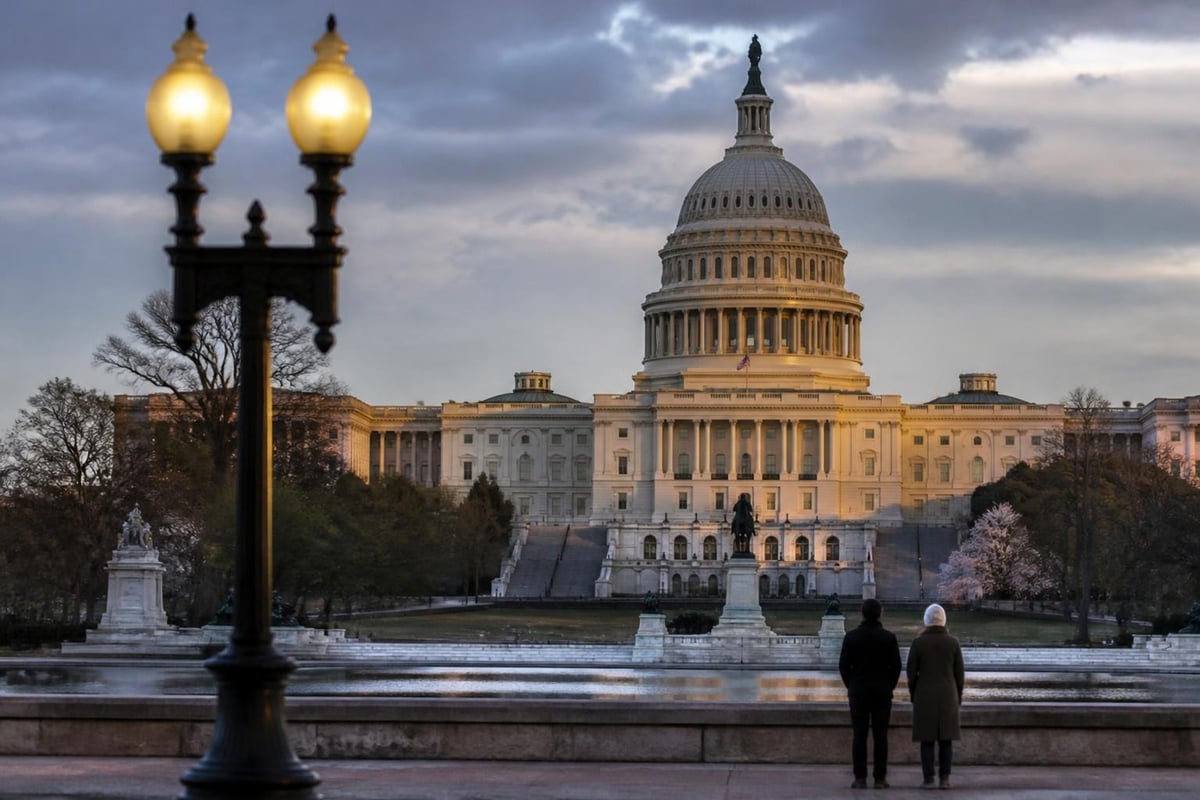
The most contested arena for legislative power vs executive power in us governance involves military action and foreign policy. The Constitution grants Congress authority to declare war, raise armies, and regulate military forces. Yet it designates the President as Commander in Chief, creating ambiguity about who controls decisions to use military force.
Presidents since World War II have deployed forces into combat dozens of times without formal war declarations. The 1973 War Powers Resolution attempted to reassert congressional authority by requiring consultation before deployments and limiting unauthorized operations to 60 days. However, presidents of both parties have questioned the resolution's constitutionality and frequently bypassed its requirements.
Contemporary Debates Over Military Authorization
Modern conflicts operate under Authorization for Use of Military Force (AUMF) statutes passed after September 11, 2001. These broad authorizations have been interpreted to justify military operations spanning continents and decades, far beyond their original scope. The Princeton Initiative’s 2025 proposals on war powers address how to restore meaningful congressional control over decisions to use force.
Foreign policy presents similar tensions. While the President negotiates treaties and recognizes foreign governments, Congress appropriates foreign aid, regulates international commerce, and must ratify treaties with a two-thirds Senate vote. Executive agreements allow presidents to make international commitments without Senate approval, though their legal status differs from formal treaties.
- Presidential deployment of forces without declaration of war
- Use of executive agreements instead of formal treaties
- Classification of military operations as "limited" to avoid War Powers restrictions
- Reliance on decades-old AUMF authorizations for new conflicts
- Emergency declarations to access special authorities
The Unitary Executive Theory
Recent decades have witnessed growing assertion of the "unitary executive" theory, which argues for expansive presidential control over the entire executive branch. This doctrine holds that the President possesses inherent authority to direct all executive officials and override congressional attempts to limit removal power or create independent agencies.
Scholarly analysis of the unitary executive traces this theory's constitutional foundations and modern applications. Proponents argue it flows from the Constitution's vesting clause granting "the executive power" to the President. Critics contend it contradicts congressional authority to structure government and creates insufficient accountability.
The practical implications affect legislative power vs executive power in us governance across numerous areas. If presidents possess plenary authority over executive officers, Congress cannot create truly independent regulators or inspectors general insulated from political pressure. If presidents can refuse to execute laws they deem unconstitutional, legislative supremacy in lawmaking becomes hollow.
Constitutional Constraints on Executive Authority
Recent legal scholarship on executive power and due process examines how constitutional rights limit assertions of inherent presidential authority. Even robust views of executive power acknowledge constraints from the Bill of Rights, separation of powers, and individual liberties.
The Supreme Court has increasingly addressed questions of executive authority in recent terms. Cases involving removal of executive officials, presidential immunity from litigation, and limits on administrative agency discretion all implicate the balance between legislative and executive power. These decisions shape how future administrations will exercise authority and how Congress can structure oversight.
Modern Erosion of Legislative Authority
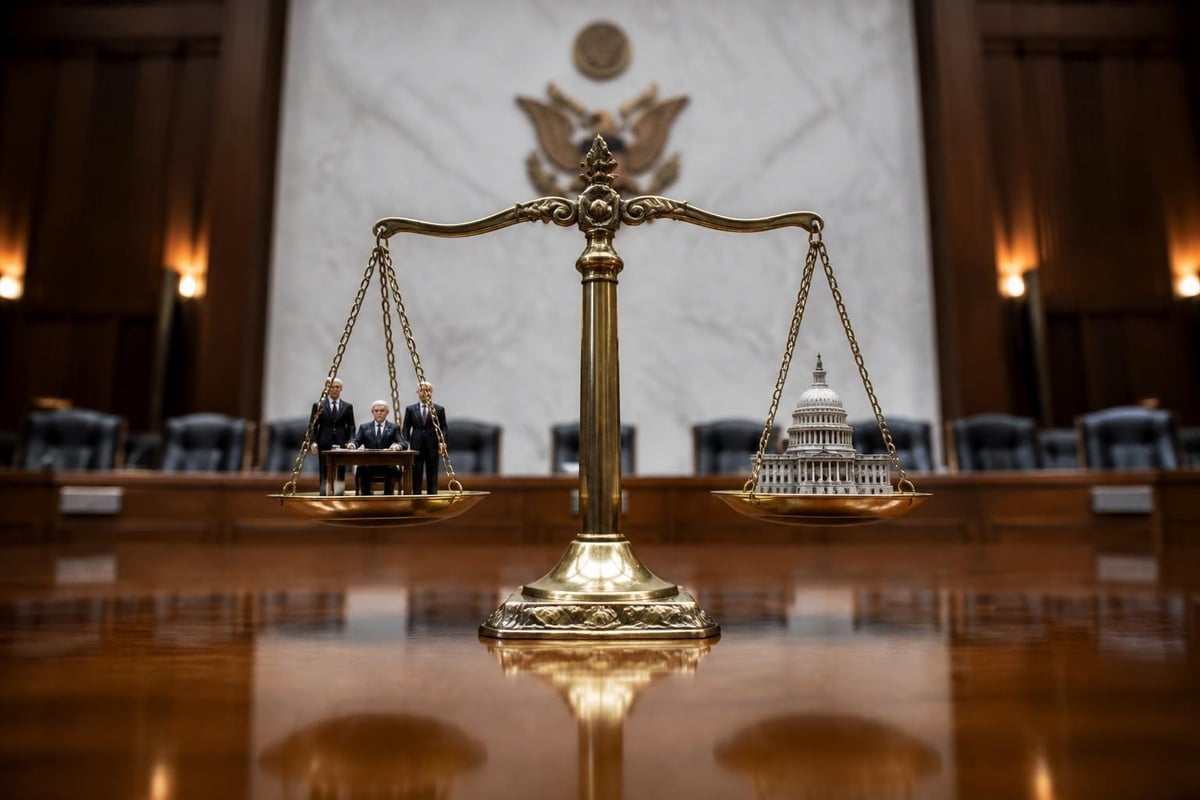
Congress has witnessed a steady decline in its relative power compared to the executive branch throughout the 20th and 21st centuries. Multiple factors contribute to this shift:
Delegation of authority: Congress frequently passes broad statutes granting agencies substantial discretion in implementation, effectively transferring legislative power to executive officials.
Emergency powers: National security concerns and crisis situations lead to expanded executive authority that often persists beyond the immediate emergency.
Increased partisanship: When the President's party controls Congress, oversight weakens as allies avoid challenging the administration. When opposite parties control branches, gridlock prevents collaborative governance.
Institutional capacity: The executive branch employs millions of personnel with specialized expertise, while Congress relies on smaller staffs and faces term limits in knowledge development.
The relationship between legislative power vs executive power in us governance has shifted substantially since the New Deal era. Presidents now control vast administrative bureaucracies implementing complex regulatory schemes. Executive actions by recent administrations demonstrate how presidents pursue policy goals through administrative channels when legislation proves unattainable.
Checks, Balances, and Separation in Practice
Despite concerns about executive aggrandizement, the system retains meaningful checks preventing any single branch from dominating. Congress can investigate administration activities, reject nominees, refuse to appropriate funds, and override vetoes. Courts can strike down executive actions exceeding statutory or constitutional authority. Public opinion and elections provide ultimate accountability.
The dynamic nature of legislative power vs executive power in us governance means the balance shifts with circumstances, personalities, and political alignments. Strong presidents with popular mandates exercise more influence than weak presidents facing hostile Congresses. Unified government enables more executive initiative, while divided government forces negotiation and compromise.
| Check on Executive Power | Mechanism | Effectiveness |
|---|---|---|
| Legislative override | Two-thirds vote in both chambers | Rare but significant |
| Appropriations control | Annual budget process | Highly effective |
| Confirmation power | Senate approval of nominees | Moderately effective |
| Judicial review | Court challenges to actions | Situationally effective |
| Investigative oversight | Subpoenas and hearings | Variable, often partisan |
| Impeachment | House charges, Senate trial | Extremely rare |
Understanding this framework proves essential for citizens engaging with American governance. Presidential power is substantial but not unlimited. Congressional authority remains formidable when exercised with unity and determination. The separation of powers functions not through rigid boundaries but through continuous negotiation between institutions pursuing different mandates.
Implications for Democratic Accountability
The balance between legislative and executive power directly affects how well government responds to citizen preferences. When power concentrates excessively in one branch, accountability suffers. If presidents can act unilaterally in too many domains, elections become the only check on executive action. If Congress micromanages administration, efficiency and expertise suffer.
The Framers designed legislative power vs executive power in us governance to require cooperation for major initiatives while allowing each branch to check the other's excesses. This system creates friction and delay, but also forces deliberation and builds consensus. Quick action occurs in genuine emergencies; otherwise, the process demands negotiation among competing interests and perspectives.
How campaign resources affect presidential-congressional relations illustrates the political dynamics shaping interbranch cooperation. Presidents with strong electoral mandates claim greater authority to implement their agendas. Those who won narrowly or face opposition majorities must negotiate more extensively with Congress.
Contemporary challenges test whether this 18th-century framework can govern a 21st-century superpower. Rapid technological change, global economic integration, and evolving security threats create pressure for quick executive action. Yet hasty decisions without legislative deliberation risk overreach and error. Finding the right balance remains an ongoing project requiring active citizenship and vigilant oversight.
The relationship between legislative and executive power will continue evolving through interpretation, practice, and occasional constitutional crisis. No fixed formula determines the proper allocation of authority. Instead, each generation must work out how these branches can collaborate effectively while maintaining sufficient independence to check abuses. That ongoing negotiation defines American constitutional democracy.
The tension between legislative and executive authority remains central to American governance, shaping presidential administrations and congressional sessions alike. For comprehensive, non-partisan coverage of how presidents exercise their constitutional powers and interact with Congress, U.S. Presidential Report provides timely analysis of current developments and historical context. Stay informed about the evolving balance of power in Washington through our detailed reporting on presidential actions, congressional oversight, and the ongoing dialogue between America's governing branches.