The housing market outlook USA 2026 reflects a complex intersection of economic policy, political decision-making, and evolving market conditions that will shape homeownership opportunities across the nation. As presidential administrations implement policies affecting housing affordability, mortgage lending, and development regulations, Americans face a market characterized by cautious optimism and gradual recovery. Understanding how political leadership influences housing dynamics has never been more critical for prospective buyers, sellers, and investors navigating this pivotal year.
Presidential Policy Impact on Housing Markets
Federal housing policy shapes market conditions through multiple channels, from tax incentives to regulatory frameworks governing lending practices. The current administration's approach to housing affordability initiatives directly influences market dynamics, particularly for first-time buyers struggling with elevated prices and mortgage rates.
Presidential decisions regarding federal housing agencies such as the Federal Housing Administration (FHA) and the Department of Housing and Urban Development (HUD) determine lending standards and support programs. These agencies provide crucial backing for mortgages, especially for buyers with smaller down payments or moderate incomes.

Tax Policy and Homeownership Incentives
Tax legislation proposed or enacted by presidential administrations significantly affects housing demand and affordability. Mortgage interest deductions, property tax deductions, and capital gains exclusions on home sales create financial incentives that shape buyer behavior and market activity.
The interaction between federal tax policy and state-level housing regulations creates varied outcomes across regional markets. Some states benefit from federal incentives more than others, depending on existing tax structures and housing costs.
Key tax considerations for 2026 include:
- Mortgage interest deduction limits and their impact on high-cost markets
- Property tax deduction caps affecting states with high local taxes
- Capital gains exclusion rules for primary residence sales
- First-time homebuyer credit proposals under consideration
Market Fundamentals Driving the 2026 Outlook
The housing market outlook USA 2026 indicates moderate price growth coupled with improving inventory conditions. According to Zillow’s 2026 housing predictions, home values are expected to rise by 1.2% while existing home sales increase by 4.3%, signaling a warming market with better balance between buyers and sellers.
Mortgage rates remain a critical factor influencing affordability and transaction volume. While rates have moderated from recent peaks, they continue to present challenges for buyers accustomed to historically low rates from earlier years.
| Market Indicator | 2025 Performance | 2026 Forecast | Change Direction |
|---|---|---|---|
| Home Price Growth | 2.8% | 1.2% | Moderating |
| Existing Home Sales | -3.5% | +4.3% | Improving |
| Housing Inventory | Low | Gradually Increasing | Positive |
| Mortgage Rates | 6.5-7.0% | 6.0-6.5% | Declining |
Regional Market Variations
Geographic disparities define the housing market outlook USA 2026, with certain markets experiencing stronger demand than others. Secondary cities near major metropolitan areas attract buyers seeking affordability without sacrificing access to employment opportunities and amenities.
Southern and Southwestern markets continue benefiting from population migration patterns, while coastal markets face affordability constraints limiting transaction volume. The Midwest presents opportunities for value-oriented buyers as inventory conditions improve relative to demand.
Political factors influencing regional markets include state-level housing regulations, zoning reform efforts, and infrastructure investment directed through federal programs. Presidential priorities regarding infrastructure spending and urban development grants shape which regions receive federal support for housing-related projects.
Affordability Challenges and Solutions
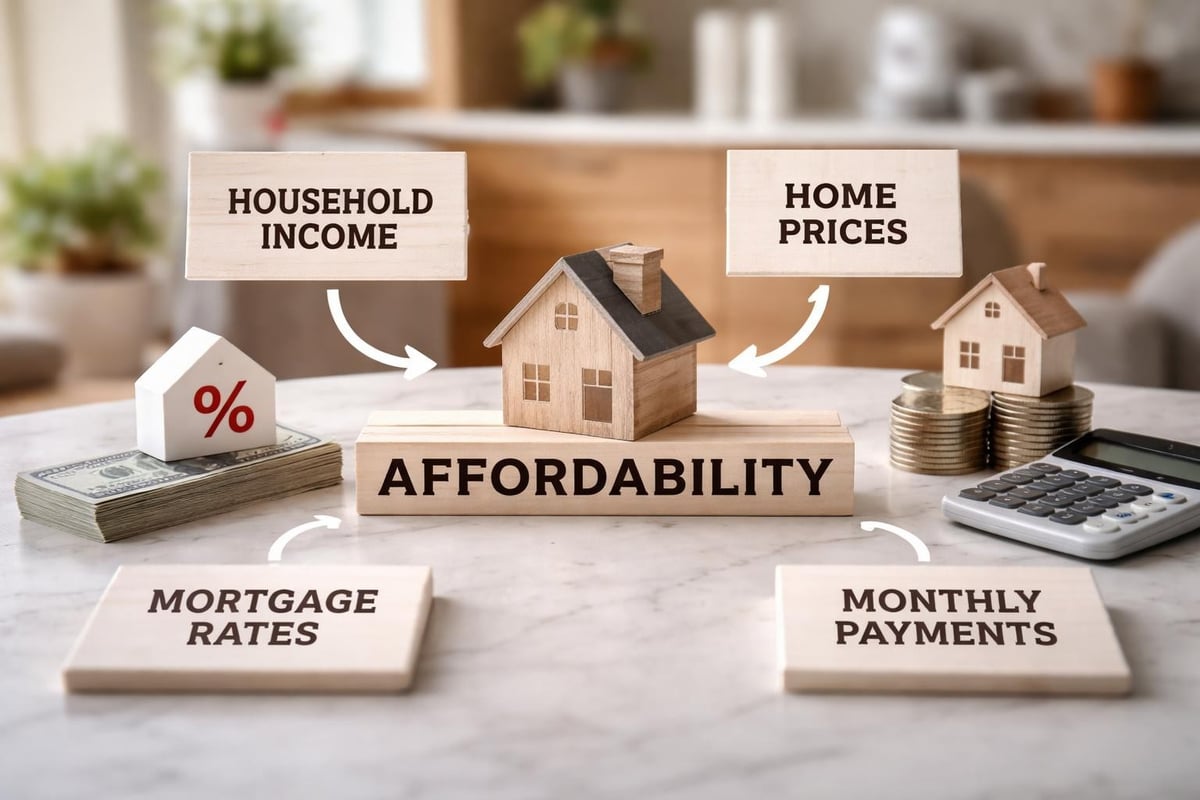
Affordability remains the central challenge facing the housing market outlook USA 2026. Three key forces shape market dynamics: affordability constraints, life events driving housing decisions, and inventory shifts affecting supply-demand balance.
The affordability crisis affects different demographic groups uniquely. First-time buyers face the steepest barriers, with down payment requirements and monthly payment burdens stretching budgets. Move-up buyers encounter challenges selling existing homes while competing for limited inventory in desired neighborhoods.
Policy Responses to Affordability
Presidential administrations propose various approaches to address housing affordability, from direct subsidies to regulatory reforms aimed at increasing supply. Understanding these policy proposals helps stakeholders anticipate market shifts and potential opportunities.
Common policy approaches include:
- Down payment assistance programs for first-time buyers
- Tax credits incentivizing affordable housing construction
- Zoning reform initiatives encouraging density and mixed-use development
- Federal land releases for residential development
- Regulatory streamlining to reduce construction costs
First American’s forecast anticipates better affordability through 2026, though progress will be slow and uneven across markets. Gradual improvements in the relationship between incomes and housing costs should support increased transaction activity.
Inventory Dynamics and Supply Constraints
Supply-side constraints continue limiting the housing market outlook USA 2026, though conditions show signs of gradual improvement. Existing homeowners remain "rate-locked," reluctant to sell homes with low mortgage rates and purchase replacements at higher rates.
New construction activity provides additional supply, but builders face challenges including labor shortages, material costs, and regulatory hurdles. Presidential policies affecting immigration, trade, and construction regulations indirectly influence building costs and timelines.
The Lock-In Effect
Current homeowners holding mortgages with rates below 4% face significant disincentives to sell. Moving to a comparable home would require accepting substantially higher monthly payments, even if home prices were equal. This dynamic suppresses inventory availability, particularly for move-up properties.
| Mortgage Rate Scenario | Monthly Payment (400K loan) | Annual Cost Difference |
|---|---|---|
| 3.5% (locked-in) | $1,796 | Baseline |
| 6.5% (current market) | $2,528 | +$8,784 |
| Increase Impact | +41% | Substantial |
This financial reality keeps potential sellers in existing homes, reducing available inventory for buyers. Political discussions around addressing housing market challenges include proposals to help homeowners refinance or transition without financial penalty.
Investment Market Considerations
Real estate investors analyze the housing market outlook USA 2026 through different lenses than primary residence buyers. Rental demand, capitalization rates, and property appreciation potential drive investment decisions, all influenced by political and economic conditions.
Investment market trends indicate renewed activity as affordability constraints push more Americans toward renting rather than buying. This dynamic supports multifamily property values and rental rate growth in many markets.
Rental Market Dynamics
Strong rental demand provides cushion for investment properties as homeownership remains financially out of reach for many households. Presidential policies regarding rental assistance programs, tenant protections, and landlord regulations affect investment returns and risk profiles.
Geographic diversification becomes increasingly important as markets perform differently based on local economic conditions, regulatory environments, and demographic trends. Investors monitor political developments at federal, state, and local levels to anticipate regulatory changes affecting property operations.
Investment strategy considerations:
- Markets with strong job growth and in-migration patterns
- Regulatory environments balancing tenant protections with landlord rights
- Property tax structures and potential policy changes
- Development pipeline affecting future supply competition
- Infrastructure investment enhancing property values
Demographic Shifts Influencing Demand
Generational housing preferences shape demand patterns underlying the housing market outlook USA 2026. Millennials reaching peak homebuying years represent substantial potential demand, while Gen Z enters the market with different expectations and constraints.
Baby boomers aging in place or downsizing create both opportunities and challenges. Their housing decisions affect inventory availability and demand patterns for specific property types, from single-family homes to age-restricted communities.

First-Time Buyer Challenges
The political conversation around housing frequently centers on first-time buyer accessibility. These buyers face compounding challenges: limited savings for down payments, student debt burdens, and competition from investors and cash buyers in entry-level price ranges.
Modest price increases and easing mortgage rates provide some relief, but structural affordability challenges persist. Presidential proposals targeting first-time buyers through tax credits, down payment assistance, or special lending programs directly address these constraints.
Interest Rate Environment and Federal Reserve Policy
While technically independent, Federal Reserve monetary policy operates within the broader political and economic context shaped by presidential administrations. Interest rate decisions affecting mortgage costs respond to inflation, employment, and economic growth-all influenced by fiscal policy choices.
The housing market outlook USA 2026 assumes gradually declining mortgage rates as inflation moderates and the Federal Reserve adjusts policy accordingly. However, uncertainty remains regarding the pace and extent of rate reductions.
Mortgage Rate Forecast Scenarios
Market participants model various scenarios for mortgage rates through 2026, each with different implications for housing affordability and transaction volume. Political stability, fiscal policy discipline, and international economic conditions all affect rate trajectories.
Potential scenarios include:
- Optimistic path: Rates decline to 5.5-6.0% range, significantly improving affordability
- Base case: Rates stabilize in 6.0-6.5% range with gradual improvement
- Pessimistic scenario: Rates remain elevated at 6.5-7.0% due to persistent inflation concerns
Presidential economic policies, particularly regarding deficit spending and tax policy, influence inflation expectations that feed into long-term interest rates affecting mortgages.
Regional Political Factors and Zoning Reform
State and local political dynamics significantly impact housing markets through zoning regulations, building codes, and development approval processes. Presidential administrations can encourage reforms through incentives and federal funding conditions, but implementation occurs at state and local levels.
Progressive zoning reforms eliminating single-family-only restrictions, streamlining approval processes, and encouraging accessory dwelling units (ADUs) gradually increase housing supply in constrained markets. Political will at multiple government levels determines reform pace and scope.
Federal Incentives for Housing Production
Recent political discussions include proposals tying federal infrastructure funding to state and local zoning reforms that increase housing density and affordability. This approach leverages federal resources to encourage state and local policy changes addressing supply constraints.
The effectiveness of such approaches depends on political alignment across government levels and local community receptiveness to increased density. Markets with strong growth pressures face greater political pressure to reform restrictive regulations.
Builder Confidence and Construction Outlook
Homebuilder sentiment reflects expectations for the housing market outlook USA 2026, with recent surveys showing cautious optimism. Builders balance optimism about eventual demand recovery against concerns regarding construction costs, labor availability, and regulatory burdens.
Presidential policies affecting trade relationships influence material costs through tariffs and import restrictions. Immigration policy impacts construction labor availability, while environmental regulations affect development timelines and costs.
| Builder Concern | Impact Level | Policy Lever |
|---|---|---|
| Labor Shortage | High | Immigration policy |
| Material Costs | Medium | Trade policy, tariffs |
| Regulatory Delays | High | Federal/state coordination |
| Land Availability | Medium | Federal land releases |
Construction activity concentrated in affordable price ranges responds to first-time buyer demand and political emphasis on workforce housing. Luxury construction remains selective, focused on markets with strong high-income employment growth.
Market Outlook Summary and Participant Strategies
The housing market outlook USA 2026 presents measured optimism grounded in gradual improvement across key metrics. Buyers benefit from moderating price growth and slowly improving inventory, while sellers face more balanced conditions requiring realistic pricing strategies.
Buyer strategies for 2026:
- Monitor rate movements for refinancing opportunities after purchase
- Consider emerging markets with affordability advantages
- Explore various loan programs, including FHA and state-specific options
- Maintain flexibility regarding property type and location preferences
Seller strategies for 2026:
- Price competitively reflecting current market conditions, not peak pricing
- Prepare properties thoroughly to stand out in improving inventory
- Time listings to match seasonal demand patterns in local markets
- Consider creative financing arrangements to attract qualified buyers
Investor strategies for 2026:
- Focus on markets with strong rental demand fundamentals
- Monitor political developments affecting landlord-tenant regulations
- Diversify across property types and geographic markets
- Evaluate long-term demographic trends supporting sustained demand
Political engagement remains crucial for all housing market participants. Understanding how presidential policies, congressional legislation, and regulatory changes affect housing markets enables informed decision-making and strategic planning. The interplay between political priorities and market fundamentals will continue shaping opportunities and challenges throughout 2026 and beyond.
The housing market outlook USA 2026 reflects complex interactions between political decisions, economic fundamentals, and demographic trends that will shape opportunities for buyers, sellers, and investors throughout the year. As presidential policies and federal initiatives continue influencing housing affordability and market dynamics, staying informed about political developments affecting real estate becomes essential. U.S. Presidential Report provides comprehensive, non-partisan coverage of presidential decisions and policy proposals impacting housing and economic conditions, helping you understand how political leadership shapes the markets affecting your financial future.