The border wall debate in 2026 continues to dominate American political discourse as construction projects advance across multiple states while facing significant opposition from environmental groups, Indigenous communities, and regional advocates. This ongoing controversy reflects deeper divisions about immigration policy, national security priorities, and the balance between enforcement measures and ecological preservation. As the current administration pushes forward with construction plans, stakeholders across the political spectrum grapple with questions about effectiveness, cost, and long-term consequences.
Current State of Border Wall Construction
The administration has accelerated border wall construction efforts throughout 2026, marking a significant shift in both pace and scope compared to previous years. The Department of Homeland Security formalized its commitment to completing the border wall by partnering with Parsons Government Services Inc. to oversee construction management and streamline the building process. This partnership represents a strategic effort to address previous delays and logistical challenges that hampered earlier construction phases.
Geographic Focus Areas
Construction activity in 2026 has concentrated on several key regions along the U.S.-Mexico border:
- Arizona's San Rafael Valley: Intensified construction threatens ecologically sensitive areas
- Rio Grande Valley: New plans impact protected wildlife refuges
- West Texas Big Bend Region: Controversial proposals face local opposition
- Southern California: Ongoing work affects sacred Indigenous sites
The geographic distribution of these projects reveals the administration's comprehensive approach to border security infrastructure, though each location presents unique challenges and opposition.
Environmental Impact Concerns
Environmental advocates have raised significant alarms about the ecological consequences of border wall construction. New border wall plans threaten the Rio Grande Valley’s nature areas, particularly the Santa Ana National Wildlife Refuge, which serves as critical habitat for numerous endangered species. The refuge contains some of the last remaining riparian forest in South Texas, supporting over 400 bird species and serving as essential habitat for ocelots and jaguarundis.
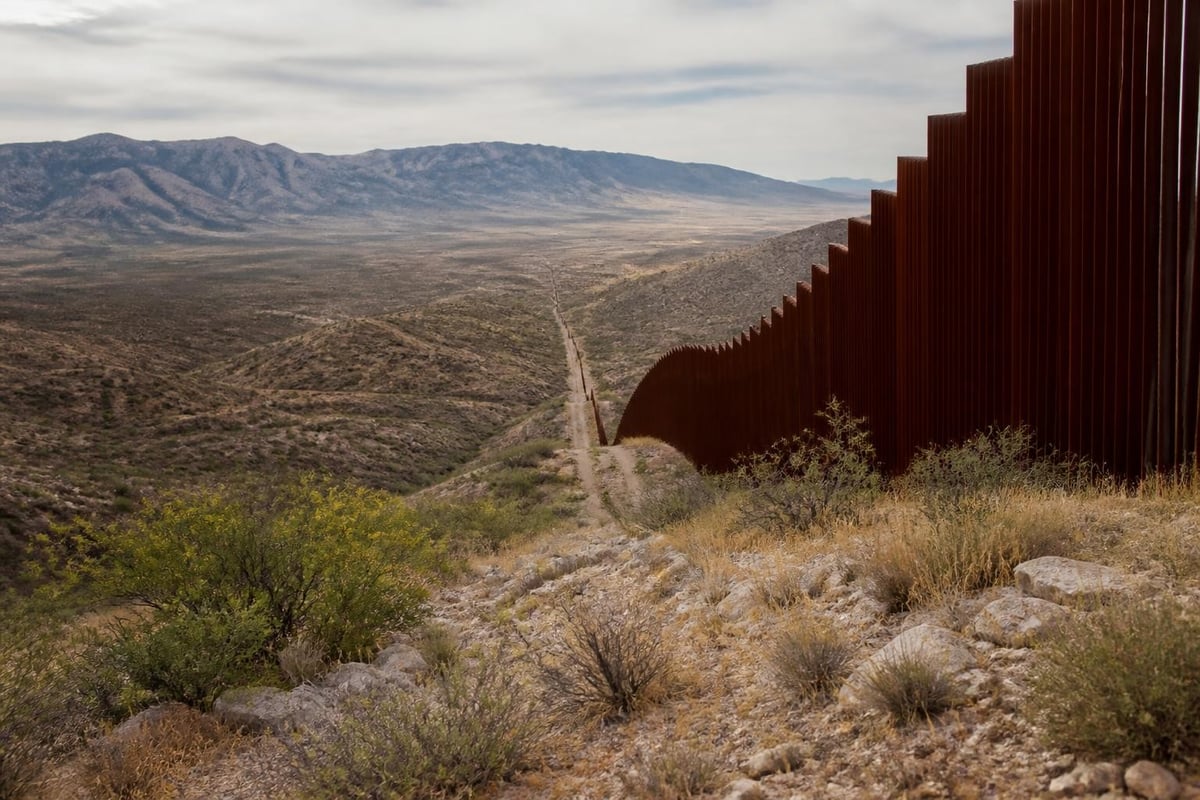
In Arizona's San Rafael Valley, intensified construction efforts during the current administration's second term have generated controversy over impacts to pristine grasslands and critical wildlife corridors. The valley serves as a vital migration route for jaguars and other species that move between the United States and Mexico, raising questions about long-term biodiversity consequences.
Regulatory Waivers and Legal Challenges
The administration has invoked authority to waive environmental regulations to expedite construction. Conservation advocates have particularly opposed the intent to waive regulations for border wall construction in the Big Bend region, arguing that bypassing environmental review processes sets dangerous precedents.
| Environmental Concern | Affected Region | Primary Impact |
|---|---|---|
| Wildlife habitat fragmentation | Arizona, Texas | Disrupted migration patterns |
| Riparian ecosystem damage | Rio Grande Valley | Water access, vegetation loss |
| Endangered species protection | Multiple locations | Habitat loss, population isolation |
| Water flow disruption | Border-wide | Flooding, erosion changes |
These regulatory waivers eliminate requirements for compliance with the Endangered Species Act, Clean Water Act, and National Environmental Policy Act in designated construction zones, raising constitutional and environmental questions.
Indigenous Rights and Cultural Heritage
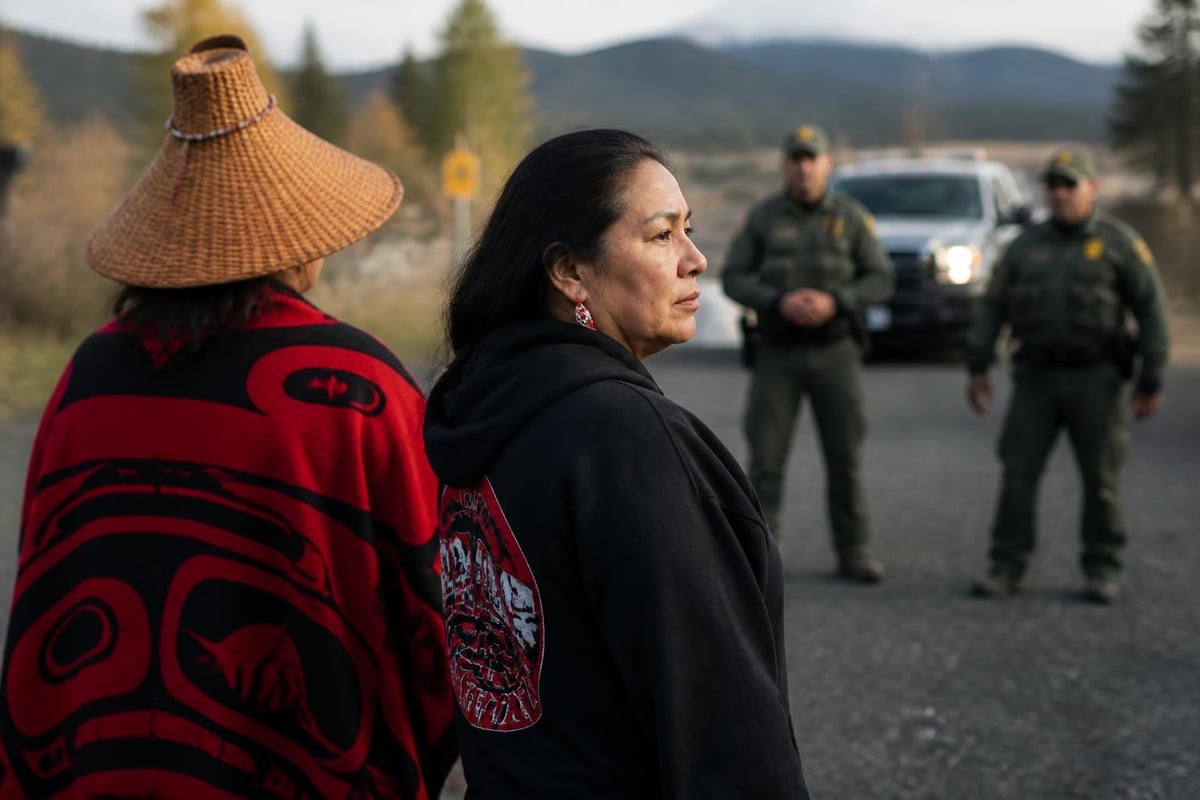
The border wall debate in 2026 has highlighted profound conflicts between construction projects and Indigenous sovereignty. Sacred Indigenous sites have been destroyed due to ongoing border wall construction, prompting urgent concerns from Kumeyaay and Tohono O'odham leaders. These communities have occupied border regions for thousands of years, with ceremonial sites, burial grounds, and traditional use areas now threatened by construction activities.
Tribal Consultation Deficiencies
Indigenous leaders have criticized the consultation process as inadequate and perfunctory. The Tohono O'odham Nation, whose territory spans the international border, faces particular challenges as wall construction bisects traditional lands and separates tribal members. The Nation has maintained that wall construction violates treaty rights and disrupts cultural practices that require cross-border movement.
Key Indigenous concerns include:
- Destruction of burial sites and ceremonial locations
- Interference with traditional religious practices
- Disruption of access to sacred mountains and water sources
- Violation of consultation requirements under federal law
- Long-term cultural preservation challenges
The Kumeyaay people have documented specific instances where construction crews have damaged archaeological sites containing artifacts and human remains, despite tribal notifications about their presence and significance.
Regional Opposition and Political Divisions
The border wall debate in 2026 has intensified regional political divisions, with local communities often opposing projects that federal authorities prioritize. The Big Bend region of West Texas exemplifies these tensions, where evolving plans for border wall construction have generated substantial local resistance despite federal determination to proceed.
Big Bend Controversy
While the administration decided to exclude Big Bend parks from immediate border wall construction plans, advocates continue opposing construction on adjacent private lands. This partial concession reflects the unique political pressure generated by one of America's most remote and pristine national parks, yet fails to address broader concerns about the region's ecological integrity.
Local ranchers, business owners, and conservation groups have formed unusual alliances to oppose construction. Their arguments center on practical concerns about property access, water rights, and economic impacts to tourism-dependent communities rather than purely ideological positions on immigration policy.
Political Perspectives and Policy Arguments
The border wall debate in 2026 remains deeply polarized along partisan lines, though some complexity exists within both major political coalitions. Supporters emphasize national security imperatives, border control effectiveness, and fulfillment of campaign commitments. Critics focus on cost-effectiveness questions, environmental damage, and whether physical barriers address root causes of irregular migration.
Security and Effectiveness Arguments
Proponents argue:
- Physical barriers reduce illegal crossings in targeted sectors
- Wall construction fulfills democratic mandates from electoral victories
- Border security infrastructure supports law enforcement operations
- Strategic placement deters smuggling in high-traffic corridors
- Technology integration enhances overall border management
Critics counter:
- Migrants and smugglers adapt with tunnels, ladders, and alternative routes
- Construction costs exceed projected budgets without proportional results
- Personnel and technology provide better return on investment
- Environmental and cultural damage outweighs security benefits
- Root causes of migration require diplomatic and economic solutions
These competing frameworks reflect fundamental disagreements about immigration policy that extend beyond border infrastructure to questions about America's role in regional migration patterns and humanitarian obligations.
Fiscal Considerations and Budget Allocation
The border wall debate in 2026 includes significant discussion about fiscal responsibility and budget priorities. Construction costs have consistently exceeded initial projections, with per-mile expenses varying dramatically based on terrain, land acquisition requirements, and construction specifications. These financial considerations intersect with broader questions about federal spending priorities and deficit concerns.
Cost Breakdown and Funding Sources
| Budget Category | 2026 Allocation | Primary Use |
|---|---|---|
| Direct construction | $4.8 billion | Wall segments, roads, lighting |
| Land acquisition | $890 million | Private property purchases, easements |
| Technology integration | $650 million | Sensors, cameras, monitoring systems |
| Environmental mitigation | $120 million | Minimal compliance measures |
| Legal defense | $95 million | Litigation, settlements, claims |
Funding mechanisms have involved executive actions, congressional appropriations, and budget reallocations that continue generating legislative controversy. Critics argue these expenditures divert resources from border technology, personnel training, and immigration processing improvements that might deliver better results per dollar invested.
Technological Alternatives and Complementary Approaches
As the border wall debate in 2026 evolves, discussions increasingly incorporate technological solutions that might complement or replace physical barriers. Modern border management relies on integrated systems combining sensors, drones, biometric processing, and data analytics to track and respond to border crossings.
Integrated Border Security Systems
Advanced technology deployments include:
- Autonomous surveillance towers with thermal imaging and AI detection
- Ground sensors detecting movement and vehicle activity
- Drone patrols covering remote and difficult terrain
- Biometric entry-exit systems at ports of entry
- Data integration platforms coordinating agency responses
These systems offer advantages in terms of rapid deployment, adaptability to changing patterns, and lower environmental impact compared to permanent physical structures. However, they require ongoing operational budgets for maintenance, monitoring, and technological updates that present different fiscal challenges than one-time construction expenditures.
Immigration Policy Context
The border wall debate in 2026 exists within a broader immigration policy landscape that includes asylum processing, visa policies, workplace enforcement, and international cooperation. Physical infrastructure represents one element of a comprehensive approach, though debates continue about its proportional importance relative to other policy mechanisms.
Recent policy developments affecting the debate include changes to asylum eligibility criteria, agreements with Central American nations regarding migration management, and domestic enforcement priorities. These policy shifts influence migration patterns and therefore the perceived necessity and effectiveness of border barriers.
Asylum and Processing Challenges
Current asylum processing backlogs exceed 2.3 million cases, with average wait times approaching four years for hearings. This backlog creates situations where border enforcement measures interact with humanitarian obligations in complex ways. Some policy experts argue that improved processing capacity and regional cooperation would address migration challenges more effectively than physical barriers alone.
Community and Economic Impacts
Border communities experience the border wall debate in 2026 through direct impacts on daily life, economic activity, and community identity. Towns along the border face unique challenges as construction activities, increased enforcement presence, and political attention transform local environments and economies.
Economic considerations include:
- Tourism impacts to natural areas and cultural sites
- Property value changes for affected landowners
- Construction employment (temporary) versus long-term economic effects
- Cross-border commerce and relationship dynamics
- Agricultural access to border lands and water resources
Many border communities maintain extensive family, cultural, and economic ties across the international boundary, making the wall debate intensely personal rather than abstract. Local perspectives often differ significantly from national political narratives, reflecting lived experience with both security concerns and cross-border cooperation benefits.
Legal Challenges and Court Proceedings
The border wall debate in 2026 continues generating extensive litigation across multiple jurisdictions. Legal challenges address property rights, environmental compliance, Indigenous sovereignty, and constitutional questions about executive authority and spending allocations. These cases wind through federal court systems, with some potentially reaching the Supreme Court.
Key legal questions include whether emergency declarations justify regulatory waivers, how eminent domain applies to border construction, and what consultation requirements apply to projects affecting tribal lands. Court decisions in these cases will establish precedents extending beyond current construction to future infrastructure projects and executive authority questions.
Eminent Domain and Property Rights
Private landowners have filed numerous lawsuits challenging government land seizures for border wall construction. These cases raise fundamental questions about compensation adequacy, property rights protections, and governmental authority to override individual ownership for security purposes. Some landowners have held border properties for generations, viewing forced sales as violations of both property rights and family heritage.
State and Federal Authority Tensions
The border wall debate in 2026 also encompasses federalism questions about respective state and federal authority over border security and immigration enforcement. Some state governments have pursued independent border security initiatives, while others have challenged federal construction projects through litigation and regulatory processes.
Texas, Arizona, California, and New Mexico each maintain different relationships with federal border policies, reflecting diverse political leadership, border geography, and local priorities. These state-level variations complicate uniform policy implementation and create patchwork approaches to border management. For readers interested in broader presidential policy developments, U.S. Presidential Report’s politics section provides comprehensive coverage of these federalism tensions.
International Relations Implications
Border wall construction affects diplomatic relationships with Mexico and broader hemispheric partnerships on migration management. Mexican officials have consistently opposed the wall as symbolically divisive and practically ineffective, preferring cooperation on economic development and security challenges driving migration. The border wall debate in 2026 therefore extends beyond domestic policy to international relations and regional cooperation frameworks.
Bilateral economic relationships, particularly regarding trade and supply chain integration, exist in tension with enforcement-focused border policies. These economic interdependencies create stakeholder groups with interests in maintaining positive cross-border relationships that might be complicated by wall construction and associated political rhetoric.
Public Opinion and Electoral Politics
Polling data on the border wall debate in 2026 reveals persistent partisan divisions alongside some demographic and regional variations. National surveys show approximately 55% opposition to expanded wall construction, though question wording significantly affects responses. Support correlates strongly with partisan identification, with Republicans favoring construction at approximately 78% and Democrats opposing at approximately 82%.
Independent voters show more ambivalence, with opinions varying based on specific policy details, costs, and alternative proposals. Geographic proximity to the border also influences perspectives, though not uniformly in ways national narratives suggest. Some border communities strongly support enhanced enforcement infrastructure, while others oppose it based on local impacts and priorities.
Electoral Implications
The border wall debate influences electoral politics at presidential, congressional, and state levels. Candidates must navigate complex terrain between base expectations, swing voter concerns, and regional variations in opinion. Primary elections often reward strong positions aligned with party bases, while general elections may favor more nuanced approaches acknowledging trade-offs and complexities.
Presidential candidates in upcoming cycles will likely face detailed questions about border policy that extend beyond simple wall support or opposition to comprehensive approaches addressing multiple dimensions of immigration and border management.
Media Coverage and Information Ecosystem
The border wall debate in 2026 receives extensive media coverage across outlets with varying editorial perspectives and target audiences. Coverage patterns reflect broader media polarization, with different outlets emphasizing distinct aspects of the controversy based on audience expectations and ideological frameworks.
Conservative media outlets typically emphasize security imperatives, illegal crossing statistics, and construction progress as policy achievements. Progressive media sources focus on environmental damage, Indigenous rights violations, and questions about effectiveness and cost. Mainstream outlets attempt balanced coverage while facing accusations of bias from both directions.
Social media amplifies these divisions while also enabling direct communication from affected communities, tribal leaders, environmental advocates, and construction supporters. This diversified information ecosystem means Americans increasingly encounter different factual premises and interpretive frameworks depending on their media consumption patterns, complicating efforts to build consensus or find compromise positions.
The border wall debate in 2026 encompasses complex intersections of security policy, environmental protection, Indigenous rights, fiscal responsibility, and political ideology that resist simple resolutions. As construction continues alongside legal challenges and community opposition, these tensions will shape American politics and border policy for years to come. For comprehensive, non-partisan coverage of how presidential administrations navigate these challenges and other critical policy debates, U.S. Presidential Report provides trusted news and analysis to help readers understand the full context of presidential decision-making and governance.