The United States has witnessed unprecedented migration flows along its southern border, creating substantial challenges for states that share boundaries with Mexico. Border states facing immigration pressure continue to navigate complex federal-state relationships, resource allocation dilemmas, and evolving policy frameworks as migration patterns shift in 2026. These states must balance humanitarian concerns with practical governance while managing infrastructure, public services, and political tensions that arise from sustained immigration activity. Understanding the multifaceted pressures these states encounter provides essential context for evaluating presidential policies and congressional responses to this ongoing national challenge.
Geographic Distribution of Immigration Pressure
The four border states experiencing direct immigration pressure are Texas, Arizona, New Mexico, and California, yet the intensity and nature of challenges vary significantly across these jurisdictions. Texas consistently reports the highest volume of border encounters, particularly in the Rio Grande Valley and Del Rio sectors, where geographic features and transportation infrastructure create natural migration corridors.
Arizona has experienced fluctuating pressure as migration routes shift based on enforcement patterns and cartel activity. The state's remote desert terrain presents unique humanitarian challenges, requiring extensive search and rescue operations that strain local emergency services.
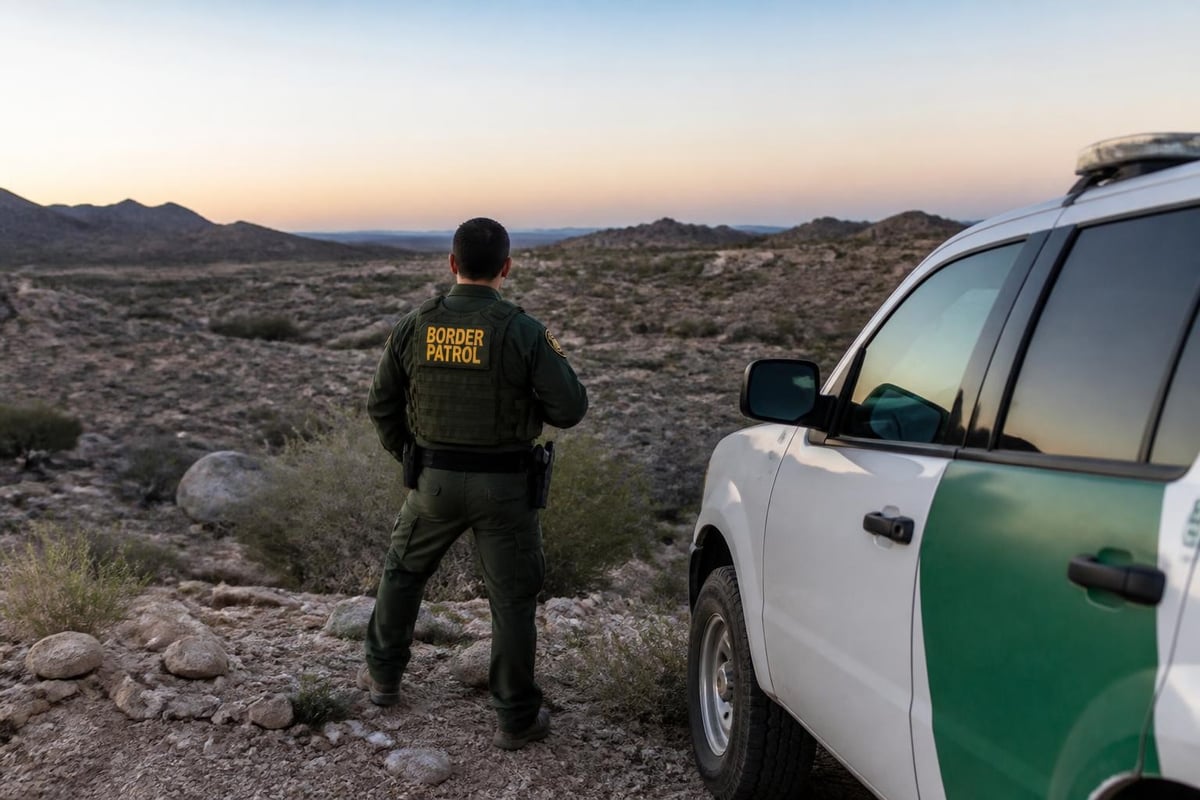
California and New Mexico face distinct pressures shaped by their border topography and existing infrastructure. The shift in migrant crossings from Texas to Arizona and California demonstrates how enforcement strategies and smuggling network adaptations create dynamic challenges requiring flexible state responses.
State-Level Resource Allocation Challenges
Border states facing immigration pressure must allocate substantial resources toward:
- Law enforcement deployment and specialized border patrol units
- Healthcare services for processing and emergency medical care
- Educational infrastructure to accommodate migrant children
- Housing and temporary shelter facilities
- Legal and court system capacity for immigration proceedings
- Transportation and logistics for processing and transfers
New Mexico, despite having the shortest border length, faces disproportionate pressure relative to its population and tax base. The state's rural border communities often lack the infrastructure to manage sudden influx events, requiring emergency state funding and federal reimbursement requests.
Federal-State Coordination Dynamics
The relationship between federal immigration enforcement agencies and state governments represents a critical pressure point. Presidential administrations establish immigration priorities and enforcement protocols, yet border states face practical implementation challenges that federal policy may not adequately address.
U.S. Customs and Border Protection (CBP) operates as the primary federal enforcement agency, yet states frequently deploy National Guard units and state law enforcement to supplement federal operations. This dual-layer enforcement creates coordination challenges regarding jurisdiction, operational authority, and cost responsibility.
| Coordination Challenge | Federal Role | State Role | Tension Points |
|---|---|---|---|
| Border Patrol Operations | Primary enforcement | Supplemental support | Jurisdictional authority |
| Processing Facilities | Funding and standards | Land and utilities | Capacity limits |
| Transportation | ICE detention transfers | Local law enforcement | Cost reimbursement |
| Emergency Response | FEMA disaster aid | State emergency services | Declaration requirements |
Presidential policies significantly influence this coordination dynamic. Decisions regarding immigration enforcement priorities directly affect how border states must allocate their resources and plan their budgets.
Fiscal Impact on Border Communities
Border states facing immigration pressure experience substantial fiscal burdens that extend beyond direct enforcement costs. Healthcare systems in border counties often provide uncompensated emergency care to migrants, creating financial strain on local hospitals and clinics.
Educational systems must accommodate students with varying English proficiency levels, requiring additional staffing for ESL programs and specialized educational resources. According to analysis of the U.S. immigration system’s strain, these indirect costs often exceed direct enforcement expenditures.
Texas has documented billions in annual costs related to immigration enforcement, healthcare, education, and incarceration. The state frequently seeks federal reimbursement for these expenses, yet disagreements about eligible costs and reimbursement rates create ongoing political friction between state and federal governments.
Migration Pattern Evolution and State Responses
Migration flows shift based on multiple factors including source country conditions, U.S. policy changes, cartel control of smuggling routes, and seasonal variations. Six countries account for the majority of migrants at the U.S.-Mexico border, with Venezuela, Cuba, Haiti, Nicaragua, Colombia, and Ecuador dominating recent flows.
These changing demographics affect how border states facing immigration pressure must configure their response infrastructure. Venezuelan migrants present different processing requirements than Mexican nationals due to diplomatic relationships and asylum claim procedures.
Seasonal fluctuations create planning challenges. Spring months typically see increased migration attempts due to favorable weather conditions, requiring states to maintain surge capacity in processing facilities and temporary housing. Summer heat in Arizona and Texas deserts increases rescue operations and medical emergencies.
Processing and Detention Infrastructure
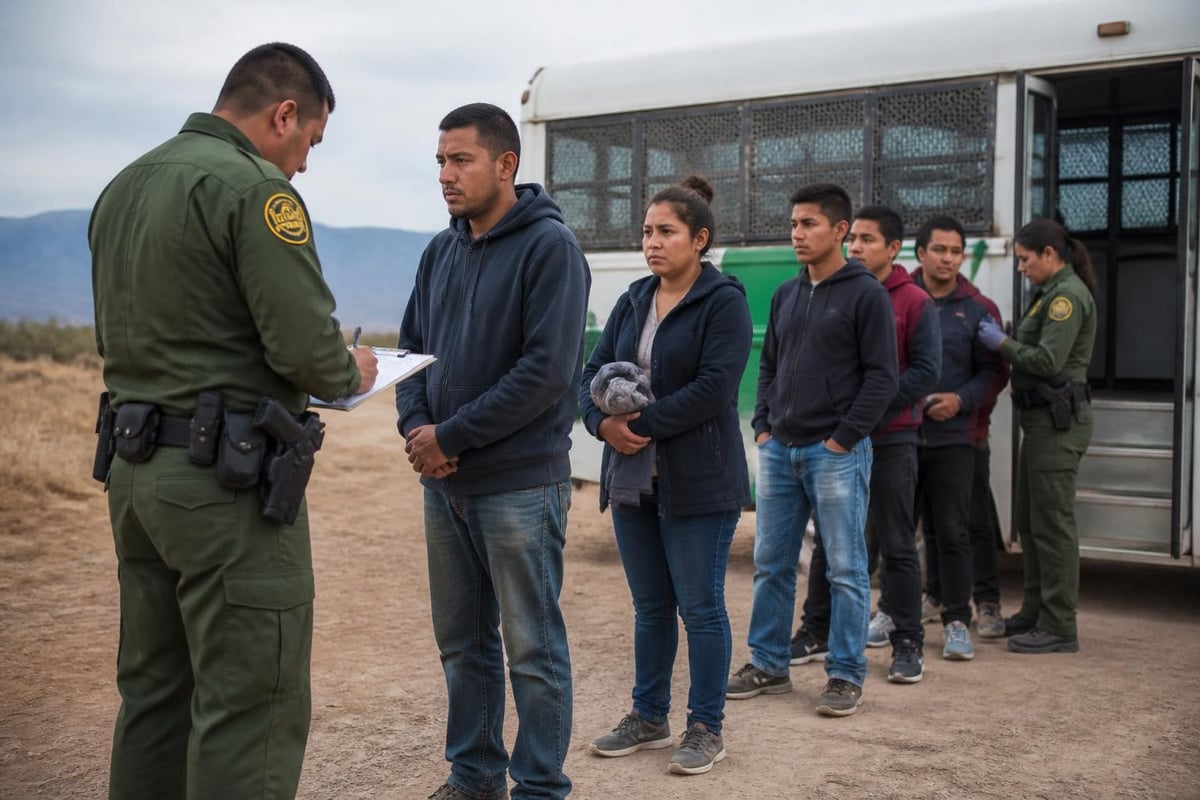
States have invested in various processing and detention facilities, yet capacity constraints remain a persistent issue. Federal detention standards require specific facility conditions, limiting where states can house migrants awaiting proceedings.
- Initial processing centers for biometric collection and screening
- Short-term holding facilities for classification and health assessments
- Family residential centers with different standards than adult facilities
- Long-term detention centers for those awaiting court proceedings
- Alternative-to-detention programs using monitoring technology
California has emphasized alternatives to detention, investing in monitoring programs and community-based case management. Texas has maintained larger detention capacity, reflecting different policy priorities and enforcement philosophies. These divergent approaches demonstrate how border states facing immigration pressure adopt varied strategies based on political leadership and resource availability.
Humanitarian Considerations and State Obligations
Border states navigate complex humanitarian obligations while managing immigration enforcement. International asylum laws require processing of asylum claims, yet the volume of applicants overwhelms existing adjudication capacity.
Unaccompanied minors present particular challenges requiring specialized care and legal representation. Federal law mandates transfer to Office of Refugee Resettlement facilities within 72 hours, yet processing delays sometimes extend this timeline, placing temporary custody burdens on border states.
Medical emergencies require immediate response regardless of immigration status. Border hospitals in remote areas operate at capacity during surge periods, with emergency departments dedicating significant resources to migrant care. Current border crossing trends indicate these pressures continue evolving based on enforcement policies and global migration factors.
Environmental and Safety Concerns
The environmental impact of sustained migration through sensitive ecosystems concerns border states. Wildlife refuges, national parks, and protected lands along the border experience increased foot traffic, waste accumulation, and ecosystem disruption.
- Organ Pipe Cactus National Monument in Arizona
- Big Bend National Park in Texas
- Tijuana River Estuary in California
- Chihuahuan Desert crossing areas in New Mexico
States coordinate with federal land management agencies to address environmental degradation while maintaining security operations. This adds another layer of complexity to how border states facing immigration pressure allocate resources and coordinate multi-agency responses.
Political and Policy Dynamics
Presidential elections significantly influence immigration policy direction, creating uncertainty for border state planning. Political discourse around immigration enforcement shapes both federal appropriations and state legislative responses.
Congressional gridlock on comprehensive immigration reform leaves border states operating under piecemeal policy frameworks that lack coherent long-term strategy. States sometimes pursue independent policy initiatives, leading to legal challenges regarding federal preemption of immigration authority.
| Policy Area | Federal Authority | State Actions | Legal Questions |
|---|---|---|---|
| Enforcement Priorities | Executive discretion | State law enforcement deployment | Cooperation requirements |
| Detention Standards | DHS regulations | State facility operation | Compliance costs |
| Transportation | ICE operations | State vehicle and fuel | Reimbursement obligations |
| Benefits Eligibility | Federal law | State-funded programs | Equal protection issues |
Arizona's SB 1070 in 2010 exemplified state attempts to address perceived federal enforcement gaps, though portions were struck down for encroaching on federal immigration authority. These precedents shape current state policy development.
Interstate Migration and Secondary Impacts
Border states facing immigration pressure also manage secondary migration to interior destinations. Migrants released pending immigration proceedings often travel to final destinations in other states, creating interstate coordination needs.
Maps showing states with the highest border crossing numbers illustrate concentration patterns, yet these initial entry points don't reflect ultimate settlement locations. Texas border cities serve as processing centers for migrants heading to employment opportunities in other regions.
This creates political tension when border states arrange transportation to non-border jurisdictions, as seen in 2023-2024 when Texas and Arizona transported migrants to cities like New York, Chicago, and Washington, D.C. These actions highlighted the concentrated pressure border states experience while demonstrating the national scope of immigration policy impacts.
Economic Implications for Border Regions
Immigration pressure creates complex economic effects in border communities. While enforcement and processing impose costs, border economic activity also depends on cross-border commerce, tourism, and labor flows. Ports of entry facilitate billions in trade annually, requiring states to balance security with commercial efficiency.
Agricultural sectors in border states rely heavily on immigrant labor, both documented and undocumented. Labor shortages in farming, food processing, and hospitality sectors create economic pressures that sometimes conflict with enforcement priorities.
Border crossing wait times affect commercial trucking and individual shoppers, with economic ripple effects throughout regional economies. States invest in port-of-entry infrastructure to facilitate legitimate crossings while maintaining security standards.
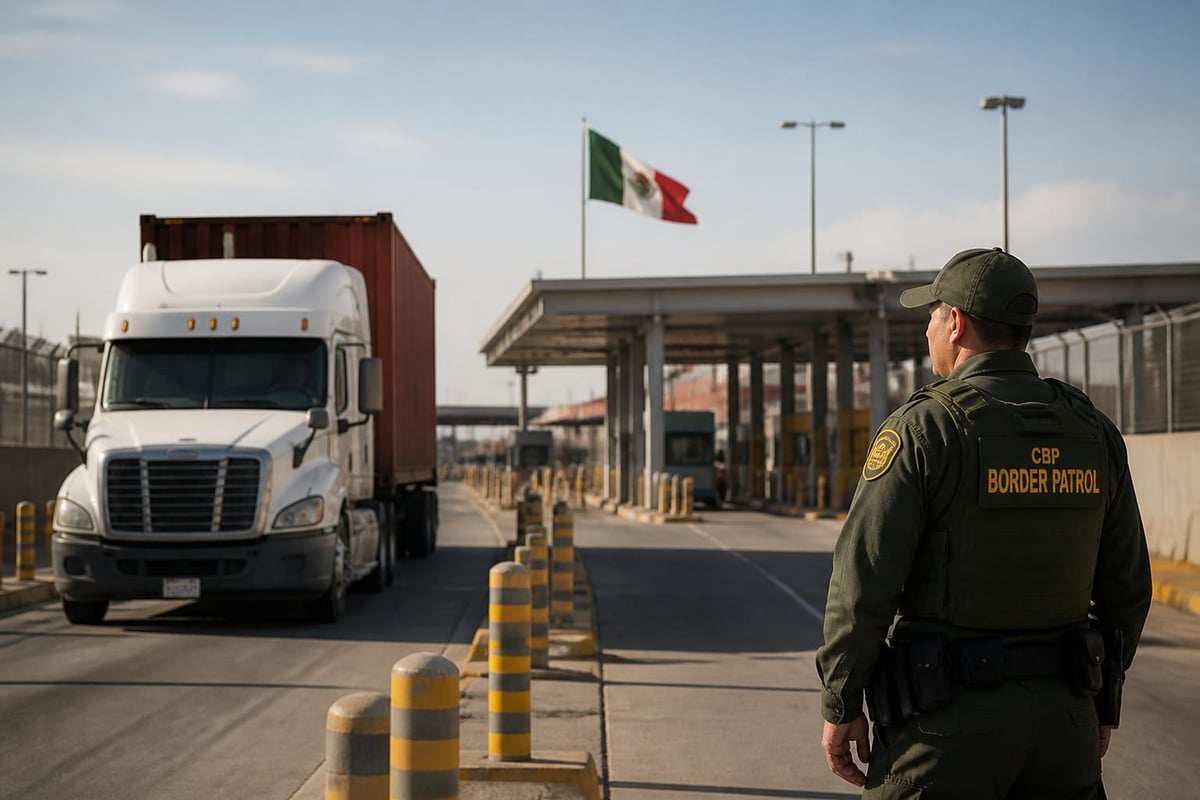
Small border communities experience unique pressures as their populations and services surge during processing peaks. Towns designed for a few thousand residents suddenly support processing facilities handling thousands of migrants monthly, straining water systems, waste management, and public safety resources.
Infrastructure and Technology Investments
Border states facing immigration pressure increasingly invest in technology and infrastructure to enhance monitoring and processing efficiency. Surveillance systems, including tower-mounted cameras, ground sensors, and aerial monitoring, supplement human patrol presence in remote areas.
Processing facilities incorporate biometric technology for rapid identification and background screening. Mobile processing units allow flexibility in responding to shifting crossing patterns, though these require substantial capital investment and ongoing operational funding.
Texas has invested over $4 billion in border security infrastructure since 2015, including barriers, roads, lighting, and technology systems. Arizona emphasizes technology over physical barriers in many sectors, reflecting different topography and strategic assessments. These divergent investment strategies demonstrate how border states facing immigration pressure adopt varied tactical approaches while pursuing similar strategic objectives.
Future Outlook and Adaptive Strategies
Border states continue developing adaptive strategies to manage sustained immigration pressure in 2026 and beyond. Regional cooperation among border states facilitates information sharing and coordinated responses to shifting migration patterns.
Collaboration with Mexican border states addresses root causes and improves bilateral coordination on enforcement and humanitarian issues. The broader U.S.-Mexico border challenge requires diplomatic engagement alongside enforcement, creating opportunities for state-to-state cooperation parallel to federal diplomatic channels.
States are also developing predictive analytics to anticipate surge events based on source country conditions, seasonal patterns, and policy changes. Enhanced forecasting allows proactive resource positioning rather than reactive crisis management.
Public-private partnerships help border states leverage NGO expertise in humanitarian services, legal assistance, and case management. These collaborations extend state capacity without proportional budget increases, though they require careful coordination to maintain accountability and standards.
The sustainability of current approaches remains uncertain as migration pressures show no signs of diminishing. Border states require either increased federal funding, comprehensive immigration reform that reduces illegal crossing incentives, or both to manage ongoing challenges without compromising other state priorities.
Border states facing immigration pressure will continue navigating complex federal-state dynamics, resource constraints, and humanitarian obligations as migration patterns evolve. These challenges require coordinated policy responses that balance enforcement, fiscal sustainability, and humanitarian concerns. For comprehensive coverage of how presidential policies shape immigration enforcement and border state responses, U.S. Presidential Report delivers non-partisan analysis of current developments affecting U.S. governance and border policy. Stay informed about how presidential decisions impact border communities and national immigration strategy through our dedicated coverage of executive actions and congressional responses.