The border security funding status 2026 represents one of the most contentious and complex budget discussions in recent U.S. political history. With shifting administrations, evolving security threats, and deeply partisan divides over immigration policy, understanding the current funding landscape requires careful examination of congressional appropriations, executive priorities, and the operational needs of agencies like Customs and Border Protection and Immigration and Customs Enforcement. As fiscal year 2026 unfolds, lawmakers and the American public continue to debate the appropriate level of investment in border infrastructure, personnel, and technology.
Congressional Appropriations Framework for Border Security
The fiscal year 2026 budget process has revealed significant tensions between different branches of government and political parties regarding border security priorities. The House Appropriations Committee’s approval of the FY26 Homeland Security Appropriations Act marked a critical step in determining how federal resources would be allocated across border protection agencies.
Congressional leaders have emphasized multiple objectives within the border security funding status 2026 framework:
- Enhanced personnel recruitment and retention programs
- Advanced surveillance technology deployment
- Physical infrastructure improvements and maintenance
- Processing center modernization
- Support services for frontline agents
The Department of Homeland Security's budget request outlined comprehensive needs across multiple operational areas. According to DHS’s Fiscal Year 2026 Budget in Brief, the agency requested substantial increases to address both immediate operational challenges and long-term strategic investments in border management capabilities.
Senate Funding Resolution and Shutdown Avoidance
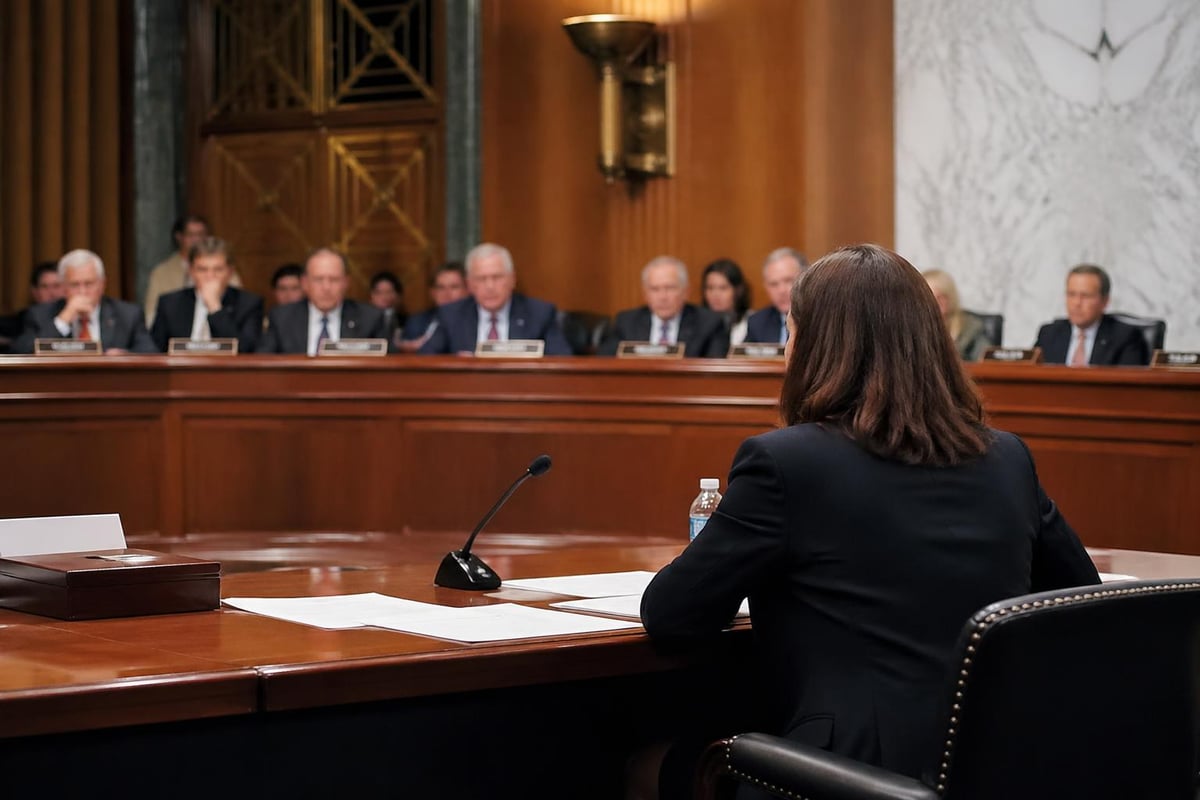
A major development in the border security funding status 2026 came when the U.S. Senate passed a $70 billion funding plan for ICE and Border Patrol. This legislation emerged after intense negotiations to reopen the Department of Homeland Security following a partial shutdown that threatened to disrupt critical border operations.
The Senate framework represented a compromise between competing priorities, though it satisfied neither conservative Republicans seeking more aggressive enforcement funding nor progressive Democrats advocating for comprehensive immigration reform. Senator Jon Husted highlighted the importance of supporting a Senate framework to fund law enforcement and keep the border secure, emphasizing community protection as a primary objective.
Partisan Divisions Over Funding Priorities
The border security funding status 2026 has become emblematic of broader political divisions within American governance. Republican lawmakers have generally advocated for increased funding for physical barriers, expanded detention capacity, and additional Border Patrol agents. Democratic representatives have pushed for technology investments, humanitarian processing improvements, and oversight mechanisms to ensure accountability.
Representative Michael Guest articulated conservative concerns in an op-ed discussing how Democrats held DHS funding hostage despite what he characterized as border security victories under the current administration. This perspective reflects the deep frustration among some lawmakers who view budget negotiations as unnecessarily politicized.
Key Areas of Congressional Disagreement
| Funding Category | Republican Position | Democratic Position | 2026 Allocation |
|---|---|---|---|
| Physical Barriers | $5.2 billion increase | $1.1 billion maintenance only | $3.4 billion compromise |
| Technology Systems | $800 million baseline | $2.3 billion enhanced monitoring | $1.6 billion approved |
| Personnel Expansion | 5,000 new agents | 1,200 new agents | 2,800 new agents |
| Detention Facilities | Capacity increase 40% | Capacity decrease 15% | Maintain current levels |
The House Committee on Homeland Security advanced funding recommendations to continue border security initiatives, specifically designed to bolster frontline personnel capabilities for years ahead. These recommendations reflected multi-year planning rather than single-cycle appropriations.
Administrative Implementation and Operational Impact
Beyond congressional allocations, the border security funding status 2026 depends significantly on how executive agencies implement approved budgets. The Trump administration has positioned border security as a top domestic priority, with the House Committee on Homeland Security noting that administration policies aim to make borders more secure than ever in 2026.
Implementation challenges include:
- Recruitment timelines for new Border Patrol agents extending 8-12 months
- Technology procurement requiring extensive testing and certification processes
- Environmental reviews for infrastructure projects delaying construction starts
- Coordination requirements between federal, state, and local agencies
- Training programs needing development before personnel deployment
Congressman Dan Newhouse emphasized the importance of voting to secure the border through the Homeland Security Appropriations Bill, highlighting investments that would directly support law enforcement operations. This reflects how individual members have staked their reputations on border security funding decisions.
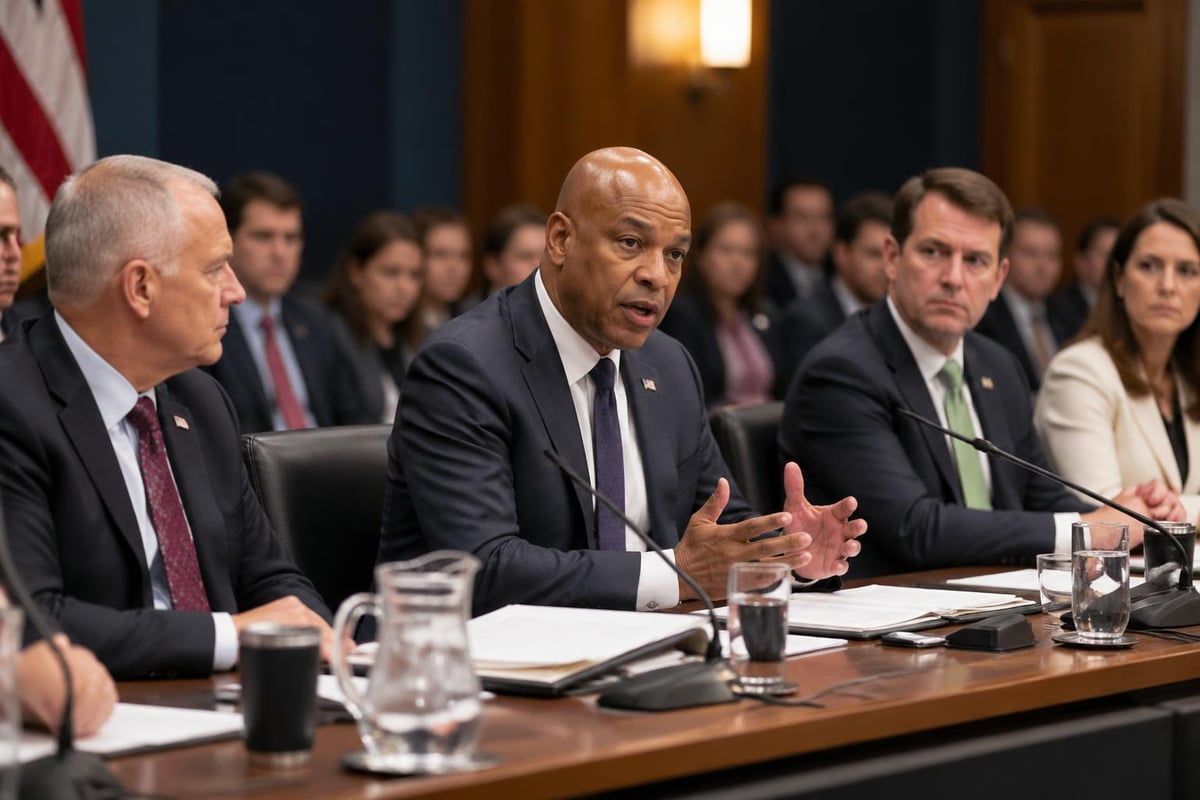
The operational reality of the border security funding status 2026 involves balancing immediate tactical needs against strategic investments. Border Patrol sectors have identified critical shortfalls in aging infrastructure, outdated communication systems, and insufficient processing capacity during high-traffic periods. Federal funding must address these gaps while simultaneously investing in next-generation capabilities.
Technology and Infrastructure Modernization Initiatives
A substantial portion of the border security funding status 2026 focuses on technological advancement rather than traditional enforcement approaches. Modern border management requires sophisticated systems for biometric identification, drone surveillance, sensor networks, and data analytics.
The fiscal year 2026 allocations prioritize several technology categories:
- Autonomous surveillance systems including fixed towers and mobile platforms
- Biometric processing stations at ports of entry
- Integrated databases linking criminal history and immigration records
- Communication infrastructure enabling real-time coordination
- Predictive analytics platforms for resource deployment optimization
Infrastructure modernization extends beyond technology to physical facilities requiring significant capital investment. Processing centers built decades ago lack capacity and amenities for current operational demands. The border security funding status 2026 includes provisions for facility upgrades addressing both functionality and humanitarian standards.
Multi-Year Capital Investment Planning
| Project Category | 2026 Funding | Total Project Cost | Completion Timeline |
|---|---|---|---|
| Port of Entry Expansion | $1.2 billion | $4.8 billion | 2029 |
| Surveillance Tower Network | $650 million | $2.1 billion | 2028 |
| Processing Center Modernization | $890 million | $3.2 billion | 2030 |
| Communication System Upgrade | $420 million | $1.5 billion | 2027 |
These investments represent continuing commitments extending beyond single fiscal years, requiring sustained congressional support across multiple budget cycles. Political changes following elections can disrupt multi-year planning, creating uncertainty for contractors and agencies implementing long-term projects.
Personnel and Training Investment Priorities
Human capital remains central to the border security funding status 2026, with substantial allocations directed toward recruitment, retention, and professional development. Border Patrol faces ongoing challenges attracting qualified candidates willing to work in remote locations under demanding conditions.
Funding priorities for personnel development include:
- Competitive salary increases matching private sector opportunities
- Enhanced benefits packages including housing assistance
- Advanced training programs for specialized skills
- Mental health support services addressing job-related stress
- Career advancement pathways encouraging long-term retention
The approved budget allocates resources for hiring approximately 2,800 new Border Patrol agents over the fiscal year, though actual hiring numbers typically fall short of authorized levels due to recruitment challenges and attrition rates. Historical data shows that achieving net personnel growth requires hiring significantly more agents than target increases suggest.
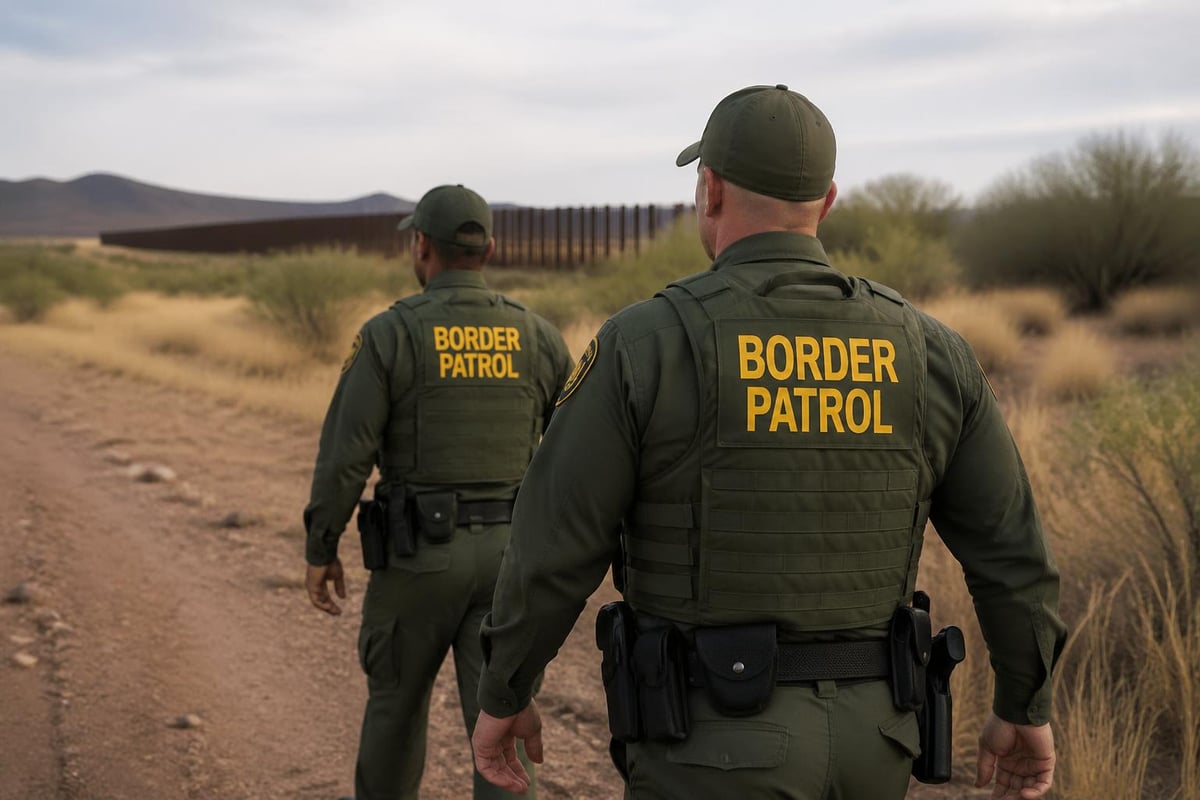
Training investments extend beyond basic academy preparation to ongoing professional development. As border security threats evolve, agents require updated training in areas such as human trafficking detection, cybersecurity awareness, and cross-cultural communication. The border security funding status 2026 recognizes these needs through dedicated training budget lines.
State and Local Partnership Funding Mechanisms
Federal border security efforts increasingly rely on partnerships with state and local jurisdictions, particularly in border states where resources are stretched thin. The border security funding status 2026 includes grant programs enabling state and local law enforcement to support federal border security missions.
Partnership funding mechanisms address:
- Task force participation reimbursing local agencies for officer time
- Equipment grants providing technology and vehicles
- Information sharing systems connecting databases across jurisdictions
- Joint training programs building interoperability
- Facility sharing agreements reducing federal infrastructure costs
Border states have advocated for increased federal support, arguing that border security represents a national responsibility requiring proportional federal investment. The fiscal year 2026 budget includes $1.8 billion in state and local partnership grants, representing a 22% increase over the previous year.
These partnerships create operational advantages by leveraging local knowledge and existing infrastructure while raising questions about accountability and oversight. Federal funding for state and local operations must balance flexibility with ensuring compliance with federal standards and constitutional protections.
Humanitarian and Processing Capacity Considerations
While enforcement dominates discussions of the border security funding status 2026, humanitarian considerations and processing capacity receive growing attention. Effective border management requires not just deterrence but also efficient, humane processing of individuals presenting at ports of entry or apprehended between them.
Funding allocations for humanitarian infrastructure include:
- Medical facilities at detention centers and processing locations
- Legal orientation programs informing individuals of rights and procedures
- Child welfare services for unaccompanied minors
- Translation and interpretation services
- Case management systems tracking individuals through immigration proceedings
The balance between security and humanitarian considerations reflects competing values and priorities within American society. Advocates for increased humanitarian funding argue that treating individuals humanely represents core American values while improving operational efficiency by reducing litigation and compliance costs. Critics contend that improved conditions may encourage unauthorized border crossings.
Processing capacity directly affects border security effectiveness. When facilities cannot efficiently process individuals, bottlenecks develop, creating security vulnerabilities and humanitarian challenges. The border security funding status 2026 addresses capacity constraints through facility expansions and process improvements, though advocates argue approved funding remains insufficient for current volumes.
Oversight and Accountability Mechanisms
Congressional appropriations for border security include requirements for transparency and accountability in how agencies spend allocated resources. The border security funding status 2026 features enhanced reporting requirements designed to ensure funds achieve intended objectives.
Oversight mechanisms include:
- Quarterly spending reports detailing expenditures by category
- Performance metrics tracking operational outcomes
- Inspector General audits examining program effectiveness
- Congressional testimony from agency leadership
- Public dashboards displaying key performance indicators
These accountability measures respond to concerns that previous border security funding failed to achieve promised results. Both progressive and conservative lawmakers have criticized wasteful spending on ineffective programs, though they often disagree on which programs warrant criticism.
The Government Accountability Office plays a crucial role in evaluating border security programs, providing independent assessments of whether funding produces measurable improvements in border management. Recent GAO reports have identified both successes and shortcomings in how agencies utilize appropriated funds, informing future budget decisions.
Economic Impact and Cost-Benefit Considerations
Analyzing the border security funding status 2026 requires considering economic impacts beyond immediate security outcomes. Border security spending affects local economies in border regions, creates employment opportunities, and influences trade facilitation at ports of entry.
Economic considerations include:
- Job creation through direct federal hiring and contractor employment
- Infrastructure investment stimulating construction sector activity
- Technology development supporting domestic innovation
- Trade facilitation reducing delays at commercial crossings
- Tourism impact affecting perceptions of border region safety
Economists debate whether current border security funding represents optimal resource allocation. Some analyses suggest that investments in processing efficiency and legal immigration pathways would produce greater economic returns than enforcement-focused spending. Others argue that border security prevents costs associated with unauthorized immigration, including public services utilization and wage depression in certain sectors.
The fiscal year 2026 budget attempts to balance enforcement with facilitation, recognizing that ports of entry serve dual functions as security checkpoints and economic gateways. Delays at commercial crossings impose costs on businesses and consumers, making efficient processing an economic priority alongside security objectives.
For readers tracking developments in presidential policy and governance, the border security funding status 2026 represents a critical intersection of executive priorities, congressional power, and practical governance challenges. Understanding how budget decisions translate into operational realities provides essential context for evaluating administration effectiveness and congressional functionality. Following these funding debates reveals not just border policy but fundamental questions about American governance, resource allocation, and competing visions for the nation's future.
The border security funding status 2026 reflects deep political divisions while demonstrating government's capacity to reach compromise on contentious issues, even as debates over appropriate funding levels and priorities continue. For comprehensive, non-partisan coverage of how presidential administrations shape border policy through budget priorities and executive action, U.S. Presidential Report delivers timely analysis helping readers understand the complex interplay between executive leadership and congressional appropriations that determines America's approach to border management.