The landscape of U.S. immigration law continues to undergo significant transformation as we move through 2026, with asylum policy enforcement receiving particular attention from federal agencies and the courts. Recent regulatory changes, procedural updates, and enforcement priorities have created a complex environment for asylum seekers, immigration attorneys, and advocacy organizations. Understanding the latest asylum policy enforcement update 2026 requires examining both the technical modifications to existing procedures and the broader political context shaping these decisions. This comprehensive analysis explores the key changes affecting asylum applicants, the legal challenges emerging from new enforcement practices, and what these developments mean for the future of humanitarian protection in the United States.
Major Regulatory Changes in Asylum Processing
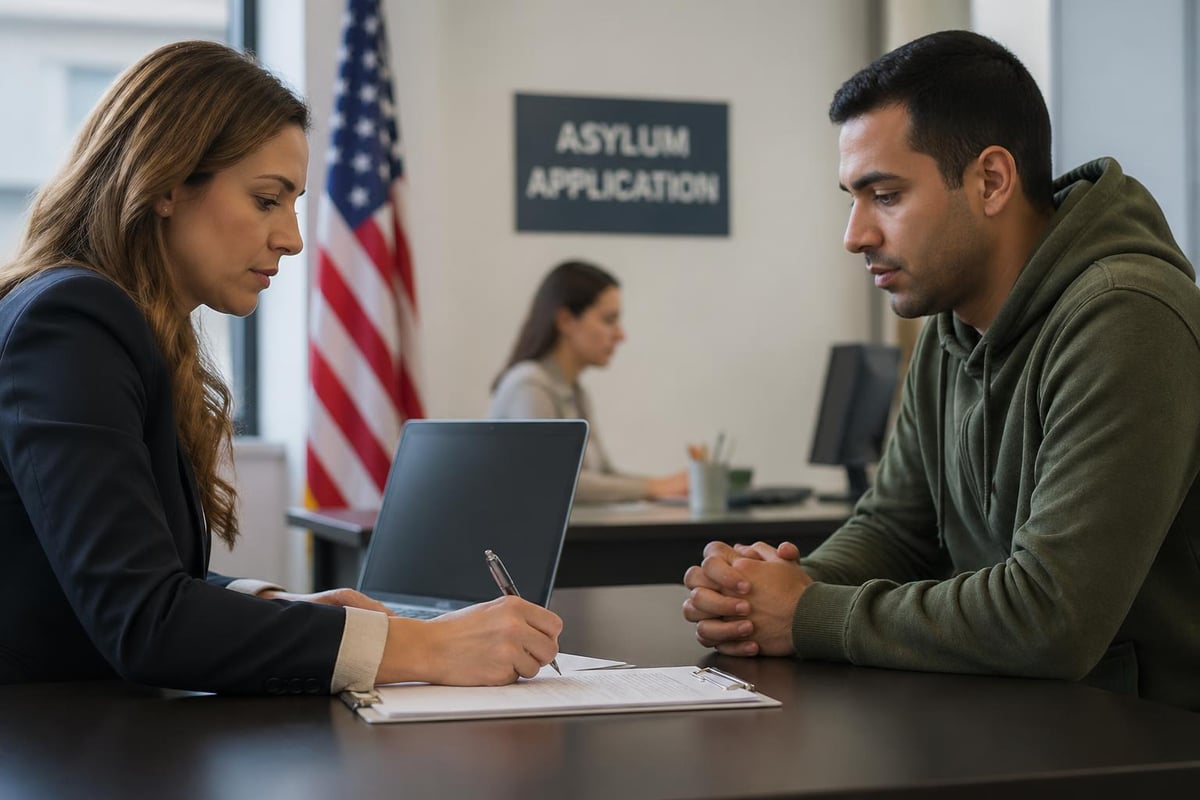
The Department of Homeland Security and U.S. Citizenship and Immigration Services have implemented several critical modifications to asylum processing procedures throughout 2026. These changes affect everything from initial credible fear screenings to final adjudication decisions.
Adjudication Holds and Country-Specific Policies
One of the most significant aspects of the asylum policy enforcement update 2026 involves the lifting of certain adjudication holds that had been in place for applicants from specific countries. According to recent policy updates from immigration authorities, USCIS has resumed processing applications that were previously on hold, though with additional scrutiny measures in place.
The agency has introduced enhanced vetting procedures for these cases, including:
- Extended background checks incorporating additional databases
- Supplementary interviews for cases flagged under new security protocols
- Interagency coordination requirements that can extend processing timelines
- Updated country condition assessments reflecting current geopolitical situations
These procedural additions have created longer wait times for many applicants, even as the holds themselves have been officially removed.
Metering Policy Developments
The Supreme Court's consideration of reinstating metering policies has introduced considerable uncertainty into border processing procedures. As reported by legal analysts covering the case, the metering approach would limit the number of asylum seekers processed at ports of entry on any given day.
This policy mechanism has profound implications:
Operational Impact
| Aspect | Previous System | Potential Metering System |
|---|---|---|
| Daily Processing Capacity | Variable based on resources | Fixed numerical limits |
| Wait Times at Border | Hours to days | Days to weeks |
| Documentation Requirements | Standard asylum forms | Enhanced pre-screening documentation |
| Legal Representation Access | Available at entry points | Limited during waiting period |
The legal challenges to metering policies center on whether such limitations violate statutory requirements to process asylum claims promptly and whether they effectively circumvent protections against refoulement.
Enforcement Priorities and Field Operations
Immigration and Customs Enforcement has refined its operational priorities in 2026, affecting how asylum cases are handled at various stages of the process. These enforcement priorities reflect broader policy goals while attempting to balance humanitarian obligations with border security concerns.
Expedited Removal Procedures
The application of expedited removal has expanded in certain jurisdictions, creating additional pressure on asylum seekers to articulate credible fear claims quickly and convincingly. This acceleration affects individuals who may have experienced trauma and need time to prepare comprehensive testimony.
Current expedited removal practices include:
- Shortened timelines for credible fear interviews
- Limited access to legal counsel during initial screenings
- Immediate detention in facilities with varying conditions
- Rapid deportation for those who do not establish credible fear
These procedures have drawn criticism from immigration law experts who argue for system modernization to better protect legitimate asylum seekers while maintaining border integrity.
Interior Enforcement Actions
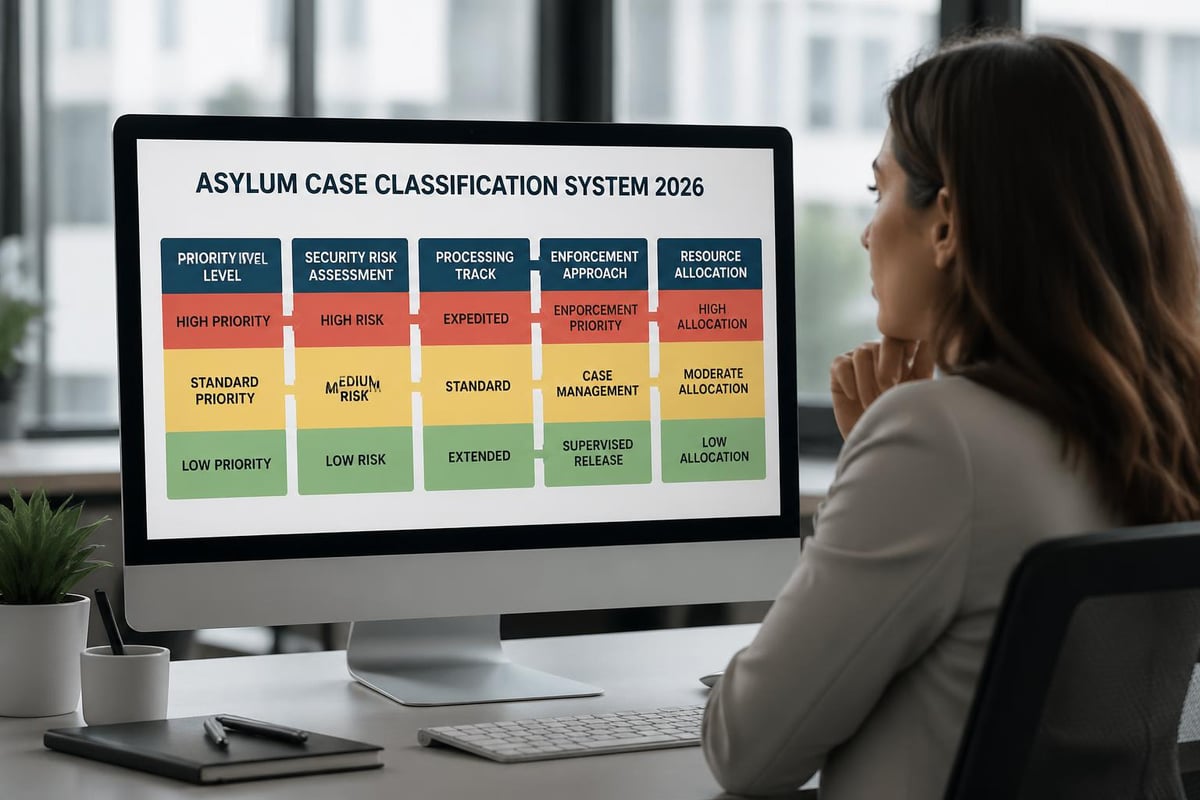
Beyond border operations, interior enforcement has also adapted to reflect the asylum policy enforcement update 2026. ICE has modified its approach to individuals with pending asylum applications, creating distinct categories based on application status and criminal history.
Priority Enforcement Categories
- Individuals with final removal orders who failed to appear for hearings
- Applicants with disqualifying criminal convictions
- Cases involving suspected fraud or material misrepresentation
- Expired temporary protected status without pending asylum claims
This categorization system aims to focus resources on cases deemed higher priority while theoretically allowing bona fide asylum seekers to proceed through the system. However, implementation has varied significantly across different ICE field offices.
Visa Processing Restrictions and Asylum Pathways
The intersection between visa processing and asylum applications has become increasingly complex in 2026. Recent policy changes have created new restrictions that affect individuals seeking to enter the United States through various immigration pathways.
Safe Third Country Agreements
Expanded safe third country agreements have redirected some asylum seekers to alternative destinations before reaching U.S. territory. These bilateral and multilateral arrangements require individuals to seek protection in the first safe country they reach, potentially barring asylum claims in the United States.
The implementation of these agreements has created several challenges:
Administrative Burdens
Determining which country qualifies as "safe" for each individual requires complex assessments. Immigration judges must consider country conditions, individual circumstances, and whether the applicant has meaningful connections to the third country. This analysis extends hearing times and creates additional documentation requirements.
Legal Exceptions
Certain categories of applicants remain eligible for U.S. asylum despite safe third country agreements, including unaccompanied minors, trafficking victims, and individuals with qualifying family members already in the United States. Establishing these exceptions requires thorough legal preparation.
Work Authorization Changes
The timing and availability of work permits for asylum applicants has shifted under the asylum policy enforcement update 2026. Current regulations impose waiting periods before applicants can receive employment authorization, creating financial hardship for many individuals.
| Application Type | Work Permit Eligibility | Processing Time | Renewal Requirements |
|---|---|---|---|
| Affirmative Asylum | 150 days after filing | 60-90 days | Annual renewal |
| Defensive Asylum | Upon filing with court | 90-120 days | Tied to hearing schedule |
| Credible Fear Passage | After positive determination | 30-60 days | Conditional on case status |
These timelines have significant implications for asylum seekers' ability to support themselves and their families while navigating lengthy adjudication processes.
Legal Challenges and Court Decisions
Federal courts have become increasingly involved in reviewing asylum policy enforcement practices, creating a patchwork of legal standards across different circuit jurisdictions. This judicial oversight has produced both temporary restraining orders and permanent injunctions affecting specific policy implementations.
Circuit Split on Processing Standards
Different federal appellate courts have reached conflicting conclusions about the legality of various asylum policy enforcement update 2026 components. The Ninth Circuit has generally taken a more restrictive view of executive authority to limit asylum access, while the Fifth Circuit has upheld broader enforcement discretion.
This circuit split affects:
- Credible fear standard interpretation and the threshold for establishing persecution claims
- Detention practices during asylum processing and bond hearing requirements
- Third country bar applications and exceptions for vulnerable populations
- Expedited removal scope and procedural due process requirements
The Supreme Court may eventually need to resolve these conflicts to establish uniform national standards, as suggested by ongoing litigation regarding presidential immigration policies found in comprehensive analyses of current administration approaches.
Administrative Review Procedures
The Executive Office for Immigration Review has modified its procedures for appealing adverse asylum decisions. These changes affect both the Board of Immigration Appeals and immigration judge practices in individual cases.
Recent modifications include:
- Streamlined appeal filing requirements with stricter page limits
- Video hearing expansion reducing in-person appearances
- Case completion quotas influencing judicial decision-making timelines
- Limited continuance availability requiring stronger justification for delays

Impact on Vulnerable Populations
Specific groups face disproportionate challenges under current enforcement practices, requiring targeted policy considerations and legal protections. The asylum policy enforcement update 2026 has created particular hardships for certain vulnerable categories of applicants.
Unaccompanied Children
Despite statutory protections, unaccompanied minors face implementation challenges in accessing asylum protections. Placement in appropriate facilities, access to legal services, and special immigrant juvenile status considerations all intersect with asylum claims.
Processing Considerations for Minors
Child welfare agencies must coordinate with immigration authorities to ensure appropriate care while asylum claims proceed. This coordination often breaks down, leaving children in prolonged uncertainty about their status and future. Educational access, mental health services, and family reunification efforts all depend on timely asylum adjudication.
Gender-Based Persecution Claims
The standards for establishing asylum eligibility based on gender-based persecution have evolved in 2026, with enforcement risks varying significantly based on claim presentation and supporting documentation. Domestic violence, forced marriage, and female genital mutilation claims require particular attention to evidentiary standards.
Successful gender-based claims typically demonstrate:
- Particular social group membership clearly defined and socially distinct
- Government inability or unwillingness to provide protection
- Nexus between persecution and protected ground explicitly established
- Lack of internal relocation alternative within country of origin
These requirements demand sophisticated legal representation and comprehensive country condition evidence.
Interagency Coordination and Information Sharing
Multiple federal agencies participate in asylum processing, creating coordination challenges that affect case outcomes and processing efficiency. The asylum policy enforcement update 2026 has emphasized information sharing between DHS, Department of Justice, Department of State, and intelligence agencies.
Biometric Data Collection
Expanded biometric requirements now apply to most asylum applicants, including fingerprinting, photographing, and in some cases, DNA collection for family unit verification. This data integrates into multiple law enforcement and immigration databases.
The biometric expansion serves several purposes:
- Identity verification to prevent fraud and multiple applications
- Criminal history checks across domestic and international databases
- National security screening through terrorism-related information systems
- Family relationship confirmation in cases involving derivative benefits
Privacy advocates have raised concerns about data retention policies and potential misuse of biometric information for purposes beyond immigration enforcement.
Intelligence Integration
The intelligence community now plays a larger role in asylum adjudication for applicants from countries designated as security concerns. This integration can delay processing while agencies complete additional vetting, and applicants rarely receive detailed explanations for these delays.
Financial and Resource Implications
The budgetary aspects of asylum policy enforcement significantly influence implementation priorities and processing capacity. Congressional appropriations for immigration agencies directly impact wait times, detention capacity, and legal access for asylum seekers.
Agency Funding Allocations
| Agency | 2026 Budget | Primary Asylum Functions | Staffing Levels |
|---|---|---|---|
| USCIS | $4.8 billion | Affirmative applications, work permits | 18,500 employees |
| ICE | $8.3 billion | Detention, removal operations | 21,000 employees |
| EOIR | $890 million | Immigration court proceedings | 650 judges |
| CBP | $18.1 billion | Border screening, ports of entry | 62,000 officers |
These resource allocations determine processing speeds and the quality of individualized case review. Underfunding in any component creates bottlenecks affecting the entire system.
Economic Impact on Communities
Asylum seekers contribute economically to communities while awaiting adjudication, particularly once work authorization is granted. Studies consistently show positive fiscal impacts in areas with significant asylum seeker populations, including increased consumer spending, tax contributions, and labor force participation in industries facing worker shortages.
Local governments must balance these economic benefits against costs for social services, education, and healthcare for asylum populations. Federal reimbursement programs exist but often fail to cover full expenses, creating political tensions over asylum policy implementation.
Technology and Digital Transformation
The asylum system has undergone significant digitization in 2026, affecting how applicants file claims, attend hearings, and communicate with immigration authorities. These technological changes present both opportunities and challenges for asylum seekers and their representatives.
Online Filing Systems
USCIS has expanded mandatory electronic filing for most asylum applications, requiring applicants to create online accounts and submit documents digitally. While this streamlines processing for some, it creates barriers for individuals with limited technology access or digital literacy.
The new system features:
- Automated case status updates through email and text notifications
- Digital document uploads with specific formatting requirements
- Online fee payments through limited accepted payment methods
- Account security requirements including two-factor authentication
These features assume reliable internet access and technical competence that many asylum seekers lack, particularly those from rural areas or older demographics.
Virtual Hearing Technology
Immigration courts have significantly expanded video teleconference hearings, reducing transportation costs and security concerns for detained individuals. However, technical issues frequently disrupt proceedings, and attorneys report challenges establishing rapport and credibility through screens.
Quality concerns include poor audio, frozen video feeds, and difficulty presenting evidence effectively in virtual formats. These technical problems can prejudice cases and lead to unjust outcomes when judges cannot properly assess witness demeanor and credibility.
The asylum policy enforcement update 2026 represents a complex evolution of U.S. immigration law, with significant implications for applicants, legal practitioners, and policymakers. Staying informed about these rapidly changing policies requires access to reliable, non-partisan analysis of how presidential decisions shape immigration enforcement. U.S. Presidential Report provides comprehensive coverage of presidential policy decisions and their real-world impacts, helping readers understand how executive branch actions affect immigration, asylum, and broader governance issues. Visit our website for the latest updates on presidential immigration policy and other critical developments affecting the nation.