The 2024 presidential election represented a pivotal moment in American political history, drawing unprecedented attention from voters, analysts, and international observers. This electoral contest concluded with significant implications for the nation's future direction, showcasing shifts in voter demographics, changing political coalitions, and the evolving landscape of American democracy. Understanding the comprehensive details of this election cycle provides essential context for interpreting current political developments and anticipating future trends in U.S. governance.
Electoral College Dynamics and State-by-State Results
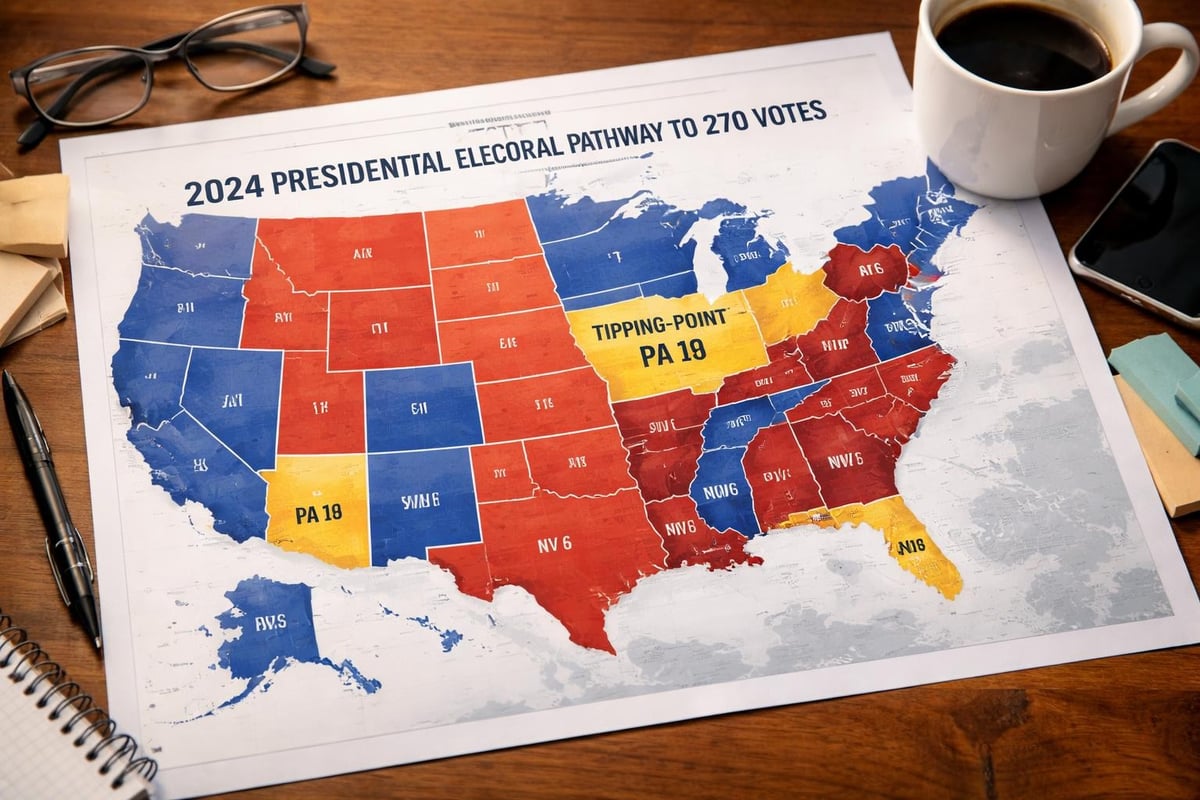
The 2024 United States presidential election outcome hinged on several critical battleground states that determined the final electoral college tally. The electoral map revealed substantial shifts from previous election cycles, with certain traditionally competitive states moving decisively in one direction.
Pennsylvania emerged as the tipping-point state, delivering its 19 electoral votes and securing the necessary 270-vote threshold for victory. The Pennsylvania results demonstrated the state's continued importance in presidential politics, with county-level data revealing distinct urban-rural divides and suburban swing patterns that proved decisive.
Swing State Performance
Arizona's outcome attracted particular scrutiny, with the Associated Press explaining their decision to call the state based on vote counts and observable trends. The southwestern battleground demonstrated continued demographic evolution, with Hispanic voter patterns showing notable shifts from previous cycles.
Michigan's certification process proceeded smoothly, as the Board of State Canvassers unanimously certified results, highlighting the noncontroversial nature of election administration in this crucial state. Wisconsin and Nevada rounded out the swing state map, each contributing their electoral votes after close contests that reflected deeply divided electorates.
| State | Electoral Votes | Margin of Victory | Key Factor |
|---|---|---|---|
| Pennsylvania | 19 | Narrow | Suburban shifts |
| Arizona | 11 | Moderate | Hispanic voters |
| Michigan | 15 | Narrow | Working-class trends |
| Wisconsin | 10 | Narrow | Rural turnout |
| Nevada | 6 | Narrow | Las Vegas metro |
Campaign Strategies and Messaging
The 2024 presidential race featured distinct campaign approaches that reflected each candidate's strengths and their assessment of the electorate's priorities. Economic messaging dominated much of the discourse, with inflation, employment, and middle-class prosperity serving as central themes throughout the campaign cycle.
Both campaigns invested heavily in ground game operations, recognizing that voter mobilization would prove critical in determining turnout levels. Door-to-door canvassing, phone banking, and digital outreach efforts reached unprecedented scales, particularly in battleground states where every vote carried magnified importance.
Digital Campaign Innovation
Social media platforms played an expanded role compared to previous election cycles, with candidates utilizing targeted advertising, influencer partnerships, and viral content strategies. The campaigns adapted to evolving platform algorithms and changing user behaviors, recognizing that reaching younger voters required sophisticated digital approaches.
- Micro-targeting capabilities enabled campaigns to deliver customized messages to specific demographic segments
- Real-time response teams monitored news cycles and opponent messaging to capitalize on emerging narratives
- Grassroots fundraising through digital platforms shattered previous records, democratizing campaign finance
- Video content dominance reflected voters' preference for visual storytelling over traditional text-based communication
Traditional media maintained relevance through debate coverage, interview formats, and investigative journalism that shaped public perception of candidate fitness and policy positions. The interplay between legacy media and digital platforms created a complex information ecosystem that voters navigated throughout the campaign season.
Voter Demographics and Coalition Shifts
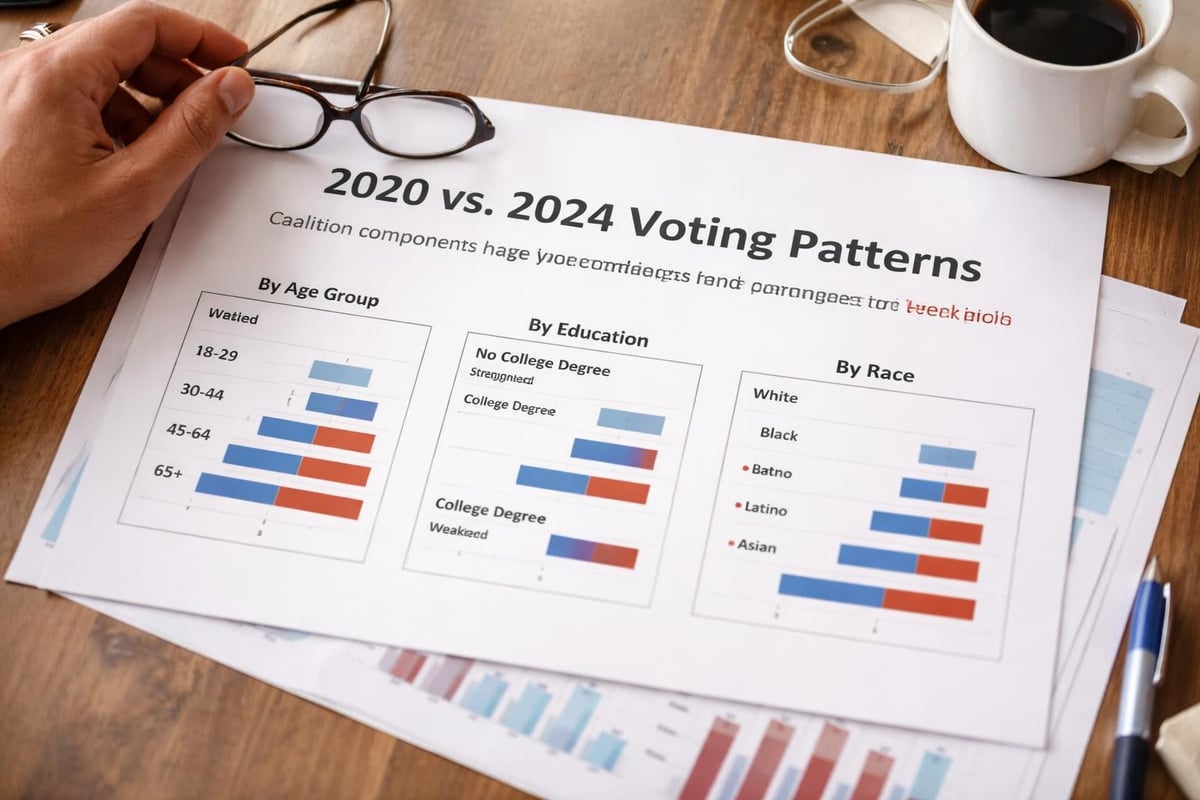
Analyzing the 2024 presidential electorate reveals significant demographic movements that reshaped traditional party coalitions. Educational attainment emerged as an increasingly powerful predictor of voting behavior, with college-educated voters demonstrating distinct preferences compared to those without four-year degrees.
The gender gap persisted but showed nuanced variations across different demographic subgroups. Married and unmarried voters exhibited different patterns, as did men and women across various age cohorts, complicating simple narratives about gender-based voting trends.
Age Cohort Analysis
Younger voters, particularly those aged 18-29, turned out in numbers that exceeded historical norms for midterm-adjacent elections, though still lagging presidential election peaks. Their policy priorities centered on climate change, student debt, and economic opportunity, shaping campaign messaging directed toward this crucial demographic.
Older voters, especially those over 65, maintained high turnout rates and demonstrated stability in their voting patterns. This age cohort's reliability made them a priority for both campaigns, resulting in targeted messaging around Social Security, Medicare, and prescription drug costs.
Middle-aged voters between 30 and 64 represented the largest segment of the electorate and showed the most variation across different subgroups. Suburban parents, empty-nesters, and career-focused professionals each responded to distinct policy appeals and messaging frameworks.
Economic Factors and Voter Priorities
The state of the economy heading into the 2024 presidential election profoundly influenced voter sentiment and candidate messaging. Inflation rates, employment figures, and wage growth statistics became contested terrain, with each campaign offering competing narratives about economic performance and future prospects.
Pocketbook issues resonated powerfully with voters experiencing increased costs for groceries, housing, and healthcare. These kitchen-table concerns translated into electoral preferences, as voters evaluated which candidate they trusted to improve their financial circumstances.
| Economic Indicator | Voter Perception | Campaign Response |
|---|---|---|
| Inflation rate | Major concern | Competing blame narratives |
| Job market | Mixed assessment | Highlighting different metrics |
| Gas prices | Regional variation | State-specific messaging |
| Housing affordability | Widespread anxiety | Policy proposal emphasis |
Industry-Specific Concerns
Manufacturing communities, particularly in the Midwest, focused on trade policy and industrial revitalization. Energy-producing regions weighed environmental regulations against economic vitality. Technology hubs considered innovation policy and regulatory frameworks affecting the sector's growth trajectory.
Agricultural areas evaluated farm subsidies, trade agreements, and rural broadband access as key determinants of their voting preferences. Each industry-specific concern required tailored campaign responses that acknowledged regional economic realities while maintaining consistent national messaging.
Policy Debates and Substantive Issues
Beyond economic concerns, the 2024 presidential contest featured substantive policy debates across multiple domains. Healthcare policy remained contentious, with competing visions for expanding access, controlling costs, and ensuring quality care.
Immigration policy generated heated discussions, encompassing border security, pathway to citizenship proposals, and asylum procedures. The candidates presented starkly different approaches, reflecting fundamental disagreements about national sovereignty, humanitarian obligations, and economic impacts.
Foreign Policy Considerations
International relations and America's global role attracted increased voter attention compared to recent elections. Geopolitical tensions, trade relationships, and military commitments shaped voters' assessments of presidential candidates' readiness to navigate complex international challenges. The U.S. Presidential Report has covered these foreign policy dimensions extensively, providing readers with non-partisan analysis of presidential positions.
Climate and energy policy divided voters along ideological and geographical lines, with proposed regulations, clean energy investments, and fossil fuel policies generating passionate advocacy from competing constituencies. The balance between environmental protection and economic development created challenging political trade-offs that campaigns navigated carefully.
Education policy encompassed debates about curriculum content, school choice, student loan forgiveness, and federal versus local control. Parents' concerns about their children's education translated into electoral considerations, particularly in suburban communities where education quality ranks among top priorities.
Media Coverage and Information Ecosystems
The 2024 presidential race unfolded within a fragmented media landscape where voters consumed information from diverse sources with varying editorial standards. Traditional news organizations competed with partisan outlets, independent journalists, and social media commentators for audience attention and credibility.
Fact-checking operations worked overtime to evaluate candidate claims, though their impact on voter perceptions remained debatable. Information silos meant that different segments of the electorate encountered fundamentally different narratives about identical events and policy proposals.
Misinformation and Media Literacy
Concerns about misinformation, disinformation, and foreign interference persisted throughout the campaign cycle. Platform moderation policies evolved in response to lessons learned from previous elections, though debates continued about the appropriate balance between free expression and preventing harmful falsehoods.
Voters demonstrated varying levels of media literacy and source evaluation skills, complicating campaigns' communication strategies. Reaching audiences required meeting voters where they consumed information, whether through podcasts, streaming video, social feeds, or traditional television programming.
Post-Election Certification and Transition
Following election day, the certification process proceeded through established legal frameworks, with states verifying results and resolving challenges according to their respective procedures. Election officials at county and state levels fulfilled their constitutional responsibilities, ensuring accurate vote counting and transparent reporting. A comprehensive state-by-state map of results illustrated the geographic distribution of support across the nation.
The transition period between administrations involved complex logistics, including security clearances, agency briefings, and policy continuity planning. Career civil servants facilitated knowledge transfer to ensure governmental functions continued seamlessly despite leadership changes.
Electoral College Formalization
The Electoral College met in December according to constitutional requirements, with electors from each state casting their votes to formalize the election outcome. This ceremonial yet constitutionally mandated process received extensive media coverage, educating viewers about this unique feature of American presidential selection.
Congress convened in January to count electoral votes and certify the final result, completing the constitutional process that determines presidential succession. The ceremony reflected democratic traditions while incorporating security measures and procedural safeguards developed in response to previous challenges.
Historical Context and Comparative Analysis
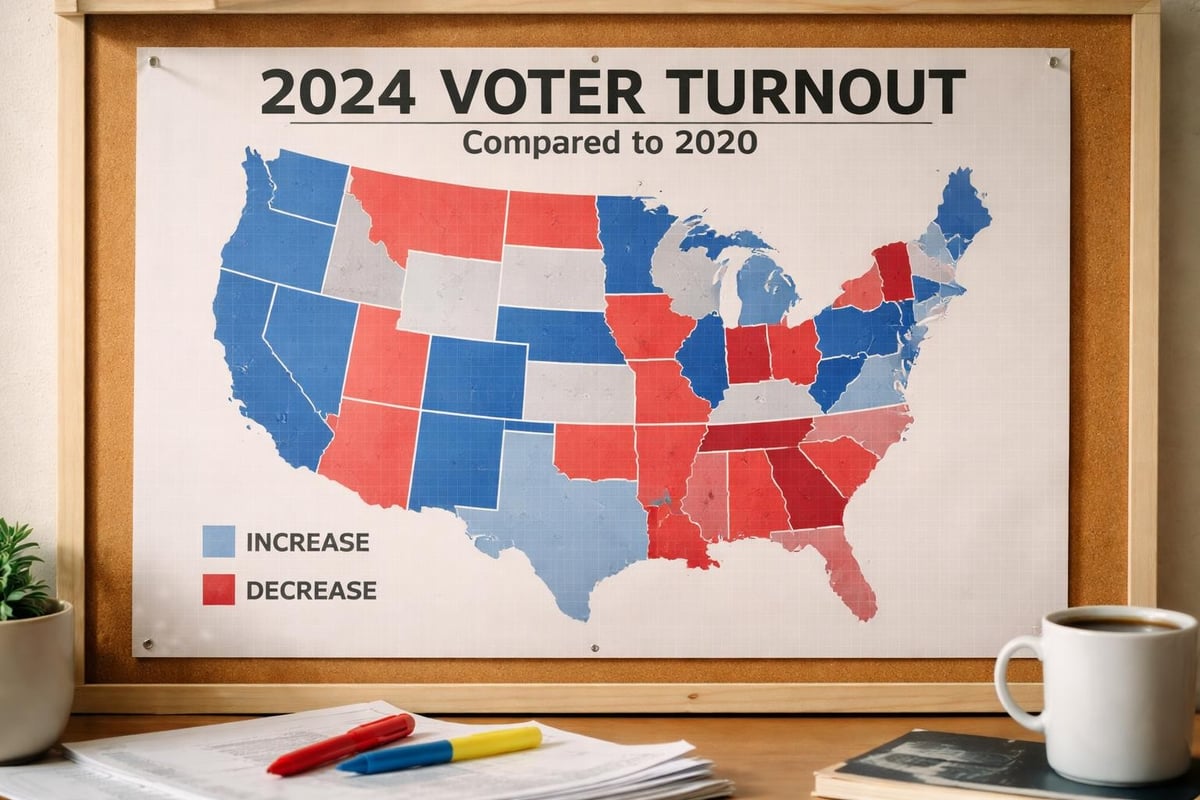
Placing the 2024 presidential election within broader historical context reveals both continuities and departures from established patterns. Voter turnout rates, demographic coalitions, and regional strongholds showed evolution while maintaining connections to long-standing political traditions.
Comparing this election cycle to previous contests highlights the dynamic nature of American democracy and the electorate's capacity to reshape political alignments. Geographic realignments that emerged gradually over recent decades accelerated or consolidated during this campaign, potentially establishing new baseline assumptions for future electoral analysis.
The 2024 presidential outcome will influence governance approaches, legislative priorities, and judicial appointments throughout the coming term. Understanding election dynamics therefore extends beyond historical interest to encompass practical implications for policy development and political strategy. Detailed analysis from sources like TIME’s interactive results map provided real-time tracking that enhanced public understanding.
Long-Term Implications for American Politics
The 2024 presidential race's legacy will extend beyond the immediate electoral outcome to reshape party structures, coalition composition, and political discourse. Demographic trends that manifested during this cycle will likely accelerate, forcing both major parties to adapt their messaging and policy platforms to changing voter populations.
Geographic sorting continues to concentrate like-minded voters in specific regions, intensifying political polarization while creating opportunities for focused mobilization efforts. This clustering effect influences not only presidential contests but also congressional, state, and local races throughout the political system.
Party Realignment Considerations
Traditional party coalitions face pressure to evolve as economic, cultural, and generational factors reshape voter allegiances. Working-class voters, college-educated professionals, and minority communities demonstrate increasing willingness to cross party lines based on specific candidates and contemporary issues rather than historical partisan loyalty.
The fusion of populist and establishment elements within party structures creates internal tensions that will influence future nomination contests and policy priorities. How parties manage these competing factions will determine their electoral viability and governing effectiveness in coming years.
Third-party and independent candidates, while not achieving electoral success, influenced discourse by raising issues that major party candidates subsequently addressed. This dynamic demonstrates the broader ecosystem's responsiveness to voter concerns expressed through alternative political vehicles.
Campaign Finance and Resource Allocation
The 2024 presidential campaigns raised and spent unprecedented sums, leveraging both traditional fundraising mechanisms and innovative digital approaches. Small-dollar donations from grassroots supporters supplemented major contributions, creating diverse funding streams that reduced dependence on any single donor category.
Resource allocation decisions reflected sophisticated data analysis identifying optimal investment opportunities. Campaigns deployed funds strategically across paid media, field operations, and digital outreach, constantly adjusting based on polling, early voting trends, and opponent activities.
Key spending categories included:
- Television advertising in battleground markets
- Digital platform ads targeting specific demographics
- Field staff salaries for voter contact operations
- Data analytics and modeling capabilities
- Surrogate travel and event production costs
Transparency requirements and disclosure laws enabled public scrutiny of campaign finance activities, though debates continued about the influence of money in politics and potential reforms to existing regulatory frameworks.
Future Electoral Considerations
Looking beyond the 2024 presidential contest, several trends and factors will shape upcoming electoral cycles. Demographic changes continue transforming the electorate, with implications for geographic competitiveness and coalition building strategies.
Technological advancement affects campaign tactics, voter contact methods, and information dissemination approaches. Artificial intelligence, data analytics, and communications platforms will offer new capabilities while raising ethical questions about manipulation and privacy.
Voting access policies remain contested, with competing perspectives on registration requirements, early voting provisions, and identification standards. These administrative decisions carry electoral consequences, making them sites of ongoing political contestation beyond their technical implementation details.
The broader 2024 United States elections encompassed congressional and gubernatorial races that shaped the governing environment facing the newly elected president. Unified versus divided government scenarios create dramatically different legislative possibilities and executive action limitations.
The 2024 presidential election showcased American democracy's resilience while highlighting ongoing challenges in an evolving political landscape. From swing state dynamics to demographic realignments, this electoral cycle provided crucial insights into voter priorities and coalition formation. For comprehensive, non-partisan coverage of presidential news and analysis, U.S. Presidential Report offers readers reliable information about current and past presidents, helping citizens stay informed about the developments shaping American governance.