As 2026 progresses, Americans face a complex political landscape shaped by economic uncertainty, social divisions, and institutional challenges. Understanding the top political issues americans care about in 2026 provides essential context for evaluating presidential leadership and congressional action. Polling data reveals consistent themes: affordability dominates household concerns, healthcare costs continue rising, and trust in government institutions remains fragile. These priorities shape policy debates and influence electoral dynamics as citizens demand concrete solutions to persistent problems.
Healthcare Affordability Takes Center Stage
Healthcare costs have emerged as the single most important issue for American voters entering the second half of 2026. Recent polling indicates that healthcare has become Americans’ top priority for government action, surpassing traditional concerns about national security and economic growth.
The rising cost of prescription medications, insurance premiums, and out-of-pocket expenses affects families across income brackets. Middle-class households report delaying medical care due to cost concerns, while seniors struggle with Medicare coverage gaps. Healthcare affordability represents more than a policy debate; it reflects fundamental questions about American values and government responsibility.
Key Healthcare Concerns Driving Political Debate
- Insurance premium increases outpacing wage growth
- Prescription drug pricing and pharmaceutical industry practices
- Rural hospital closures limiting access to emergency care
- Mental health service availability and coverage gaps
- Medicare and Medicaid funding sustainability
Ipsos research confirms that Americans want Congress to focus specifically on healthcare and housing costs, demonstrating bipartisan agreement on affordability as a critical priority. This consensus creates opportunities for legislative action but also raises expectations for presidential leadership on domestic policy matters.

Economic Stability and Inflation Concerns
Beyond healthcare, broader economic anxieties define the top political issues americans care about in 2026. Inflation may have moderated from peak levels, but persistent price increases continue straining household budgets. Gallup polling reveals that affordability dominates Americans’ financial worries, with particular concern about energy costs, groceries, and housing.
The Federal Reserve's monetary policy decisions ripple through every aspect of American life. Interest rates affect mortgage affordability, business expansion, and retirement savings. Citizens increasingly question whether economic growth benefits ordinary workers or primarily enriches corporate shareholders and executives.
Wage stagnation relative to productivity gains fuels frustration across demographic groups. Workers observe corporate profit margins expanding while their purchasing power declines. This disconnect between economic indicators and lived experience creates political volatility and diminishes trust in expert institutions.
| Economic Concern | Impact Level | Demographic Most Affected |
|---|---|---|
| Grocery prices | High | Low-income families |
| Housing costs | Critical | Young professionals |
| Energy bills | Moderate | Fixed-income seniors |
| Student debt | High | Millennials and Gen Z |
| Retirement savings | Moderate | Middle-aged workers |
Housing Crisis and Cost of Living Pressures
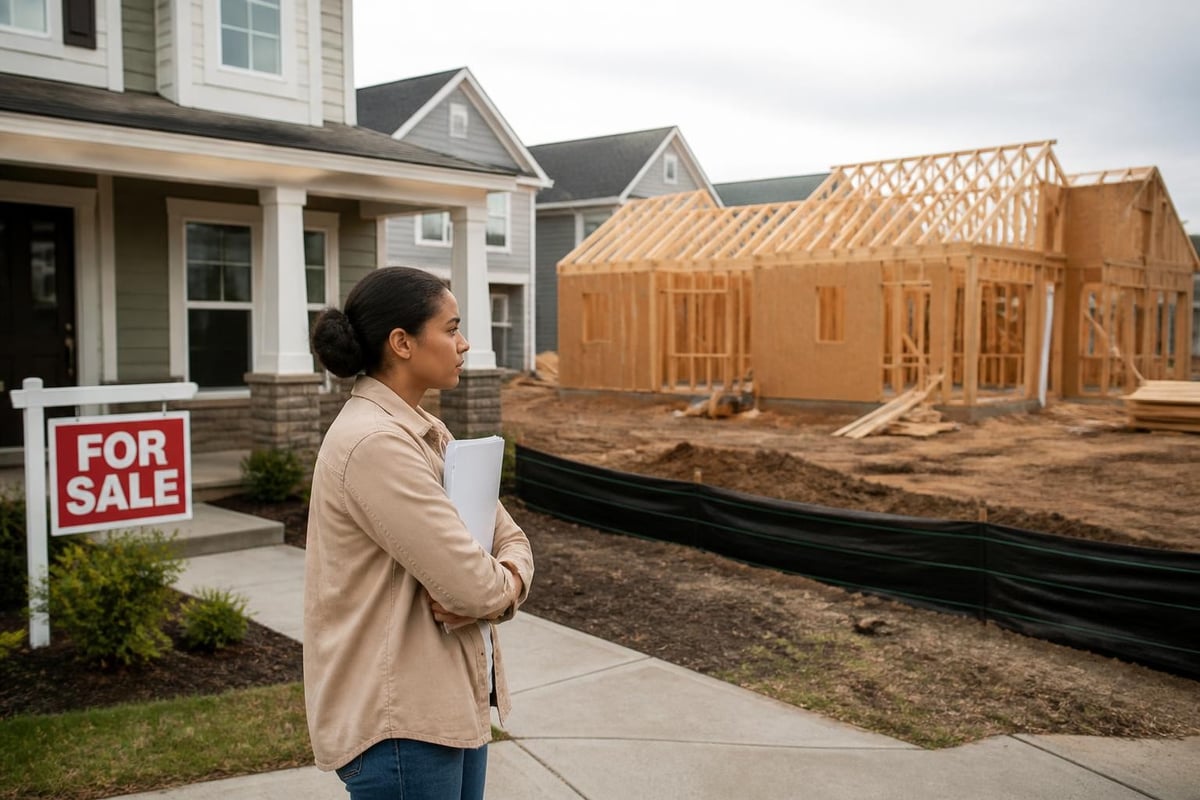
The housing and cost of living crisis has intensified throughout 2026, particularly affecting younger Americans seeking homeownership. Median home prices remain far beyond first-time buyer reach in most metropolitan areas, while rental costs consume increasing percentages of household income.
Zoning regulations, construction costs, and limited inventory create supply constraints that drive prices upward. Affordable housing shortage extends beyond major cities into suburban and rural communities, making this truly national concern rather than isolated urban problem.
Housing Market Challenges
The relationship between housing costs and overall quality of life cannot be overstated. Families making difficult choices between housing security and other necessities face long-term consequences. Children growing up in unstable housing situations experience educational disruptions and health challenges.
Some Americans increasingly view homeownership as unattainable dream rather than realistic goal. This shift represents fundamental change in expectations and has profound implications for wealth accumulation, retirement planning, and intergenerational economic mobility.
Pew Research data shows Americans view healthcare costs, the federal deficit, and inflation as interconnected problems requiring comprehensive solutions rather than isolated interventions.
Immigration Policy and Border Security
Immigration remains among the most divisive elements of the top political issues americans care about in 2026. Border security debates intensify alongside questions about immigration enforcement, asylum procedures, and pathways to citizenship. Political polarization on this topic reflects deeper disagreements about national identity, economic opportunity, and cultural change.
Conservative voters prioritize border enforcement and express concern about illegal immigration's impact on job markets and public services. Progressive constituencies emphasize humanitarian obligations, immigrant contributions to American society, and comprehensive reform addressing root causes of migration.
Border communities experience these tensions most directly, dealing with practical challenges while national politicians debate abstract principles. Local officials often advocate pragmatic solutions that differ from partisan talking points dominating cable news coverage.
The immigration system's bureaucratic dysfunction frustrates all stakeholders. Legal immigration processes involve years-long waits and complex procedures that discourage compliance while failing to address labor market needs. Businesses seeking workers, families awaiting reunification, and individuals pursuing citizenship all encounter obstacles that undermine policy goals.
Government Dysfunction and Political Leadership
Perhaps most troubling among the top political issues americans care about in 2026 is the widespread belief that government itself has become dysfunctional. Gallup polling indicates that government and political leadership remain top concerns, with citizens expressing frustration about partisan gridlock and institutional ineffectiveness.
Congressional approval ratings remain historically low as Americans observe legislators prioritizing political theater over substantive policymaking. Bipartisan cooperation appears increasingly rare, even on issues where public consensus exists. This dysfunction creates cynicism that corrodes democratic institutions and diminishes civic engagement.
Institutional Trust Challenges
- Supreme Court legitimacy questions following controversial decisions
- Federal agency politicization concerns across administrations
- Electoral process integrity debates and voting access disputes
- Media credibility and information ecosystem fragmentation
- Scientific expertise skepticism in public health decisions
Trust deficits extend beyond Congress to encompass executive agencies, courts, and state governments. Citizens increasingly question whether officials serve public interests or respond primarily to wealthy donors and special interests. Campaign finance practices, lobbying influence, and revolving door dynamics between government and industry reinforce these suspicions.
Americans exhibit high anxiety about their political system, viewing politics and government as the nation's most pressing problems. This meta-concern about democratic functionality itself represents perhaps the most fundamental challenge facing the country.
Democracy and Electoral Integrity
Questions about democracy and electoral systems have become increasingly prominent political concerns. Voting rights debates, election administration controversies, and partisan gerrymandering raise fundamental questions about representative government's fairness and legitimacy.
Some Americans worry about voting access restrictions that disproportionately affect minority communities and lower-income citizens. Others express concern about election security and the integrity of vote counting processes. These competing anxieties reflect divergent threat perceptions that complicate reform efforts.
Electoral College debates resurface periodically, with critics arguing the system gives disproportionate influence to less populous states while defenders maintain it protects federalism and prevents regional domination. Similar disputes emerge regarding Senate representation, filibuster rules, and primary election procedures.
| Democratic Concern | Conservative Priority | Common Ground |
|---|---|---|
| Voting access expansion | Election security measures | Transparent processes |
| Campaign finance reform | Free speech protections | Disclosure requirements |
| Gerrymandering limits | State authority preservation | Independent commissions |
| Electoral college reform | Constitutional stability | Civic education |
Climate Change and Environmental Policy
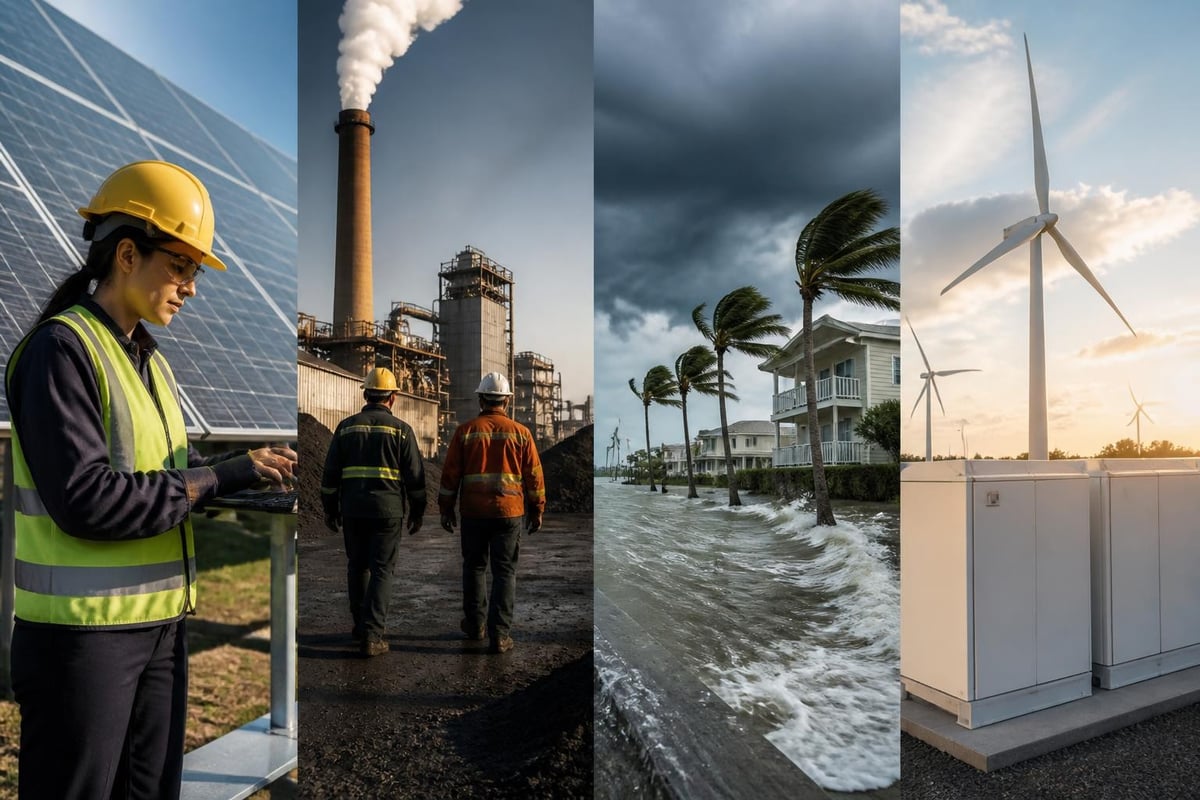
Environmental issues occupy an evolving position among the top political issues americans care about in 2026. Younger voters particularly prioritize climate action, while older demographics often rank it lower relative to immediate economic concerns. Extreme weather events and their economic impacts gradually shift public opinion toward supporting policy interventions.
Clean energy transition debates involve complex tradeoffs between environmental protection, economic growth, and energy security. Manufacturing jobs in traditional industries compete with emerging renewable energy opportunities. Geographic disparities create political tensions as coal-dependent regions resist changes that threaten livelihoods.
Scientific consensus on climate change coexists with political disagreement about appropriate policy responses. Carbon pricing, renewable energy subsidies, and regulatory approaches generate controversy even among those acknowledging environmental challenges. International cooperation requirements add complexity as domestic industries face global competition.
National Security and Foreign Policy Priorities
International relations and national security maintain importance among political priorities, though often secondary to domestic concerns. China's economic and military rise, ongoing conflicts in various regions, and alliance relationships all demand presidential attention and strategic decision-making.
Military spending debates reflect competing priorities between defense preparedness and domestic investment. Veterans' healthcare and benefits represent bipartisan concerns, while broader questions about intervention policies and international commitments divide opinion.
Cybersecurity threats from state actors and criminal organizations pose escalating risks to critical infrastructure, financial systems, and personal data. These challenges require government-private sector coordination that tests institutional capabilities and raises civil liberties questions.
Trade policy intersects with national security considerations as supply chain vulnerabilities become apparent. Domestic manufacturing capacity, technology leadership, and economic interdependence create strategic dilemmas without clear solutions.
Education and Student Debt
Education policy encompasses multiple dimensions of the top political issues americans care about in 2026. Student loan debt burdens millions of Americans, limiting their economic mobility and delaying major life decisions like homeownership and starting families. Forgiveness proposals generate intense debate about fairness, moral hazard, and government role.
Public school quality varies dramatically across communities, perpetuating inequality and limiting opportunity. Teacher shortages, curriculum controversies, and pandemic learning loss create ongoing challenges for parents, educators, and students. Higher education affordability concerns extend beyond student loans to include textbook costs, housing expenses, and opportunity costs.
Workforce development and vocational training receive increasing attention as alternatives to traditional four-year degrees. Skills gaps in growing industries suggest misalignment between educational systems and labor market needs.
Criminal Justice and Public Safety
Crime and public safety concerns vary significantly by geography and personal experience. Urban communities dealing with violent crime seek effective law enforcement while avoiding discriminatory practices. Suburban and rural areas face different challenges including drug trafficking and property crime.
Police reform debates attempt balancing accountability with effective crime prevention. Body camera requirements, use-of-force policies, and qualified immunity standards represent specific policy questions within broader discussions about community safety and constitutional rights.
Incarceration rates, recidivism, and rehabilitation program effectiveness raise questions about criminal justice system goals. Mandatory minimum sentences, bail reform, and prosecutorial discretion all influence outcomes and costs.
Social Issues and Cultural Debates
Social issues including abortion access, LGBTQ rights, and religious freedom generate passionate debate despite sometimes affecting smaller percentages of the population directly. These questions involve fundamental values and constitutional interpretation that resist compromise.
Cultural divisions on these topics often correlate with geographic, religious, and educational differences. Supreme Court decisions on gun rights and other constitutional matters shape legal frameworks while political mobilization continues on all sides.
Free speech concerns, social media regulation, and content moderation policies represent emerging battlegrounds where technology, law, and social norms intersect in unprecedented ways.
Looking at Presidential Leadership Through Issues
Understanding the top political issues americans care about in 2026 provides essential context for evaluating presidential performance and tracking developments in the presidential race. Effective leadership requires addressing these concerns through policy initiatives, legislative collaboration, and public communication.
Presidents face the challenge of balancing competing priorities with limited political capital and institutional constraints. Comprehensive polling data on issue importance helps track how priorities shift over time and how different demographic groups weight various concerns.
The interconnection between these issues complicates governance. Healthcare costs relate to broader economic conditions. Immigration policy affects labor markets. Climate initiatives impact energy prices. Effective presidential leadership must recognize these relationships rather than treating each issue in isolation.
The top political issues americans care about in 2026 reveal a nation grappling with affordability, institutional trust, and competing visions for America's future. These concerns shape electoral politics and demand presidential attention across domestic and international domains. For comprehensive, non-partisan coverage of how current and past presidents navigate these complex challenges, U.S. Presidential Report provides the context and analysis essential for informed citizenship in today's political environment.