The border policy under current administration has undergone significant transformations since January 2026, reshaping how the United States manages its southern and northern boundaries. These changes affect millions of asylum seekers, immigrants, and communities along the border, while influencing national security priorities and diplomatic relationships. Understanding the evolution of these policies requires examining executive orders, enforcement mechanisms, and the practical implications for border operations. The administration's approach represents a departure from previous strategies, emphasizing enforcement, physical barriers, and expedited processing procedures that have generated substantial debate among policymakers and advocacy groups.
Executive Orders Reshaping Border Enforcement
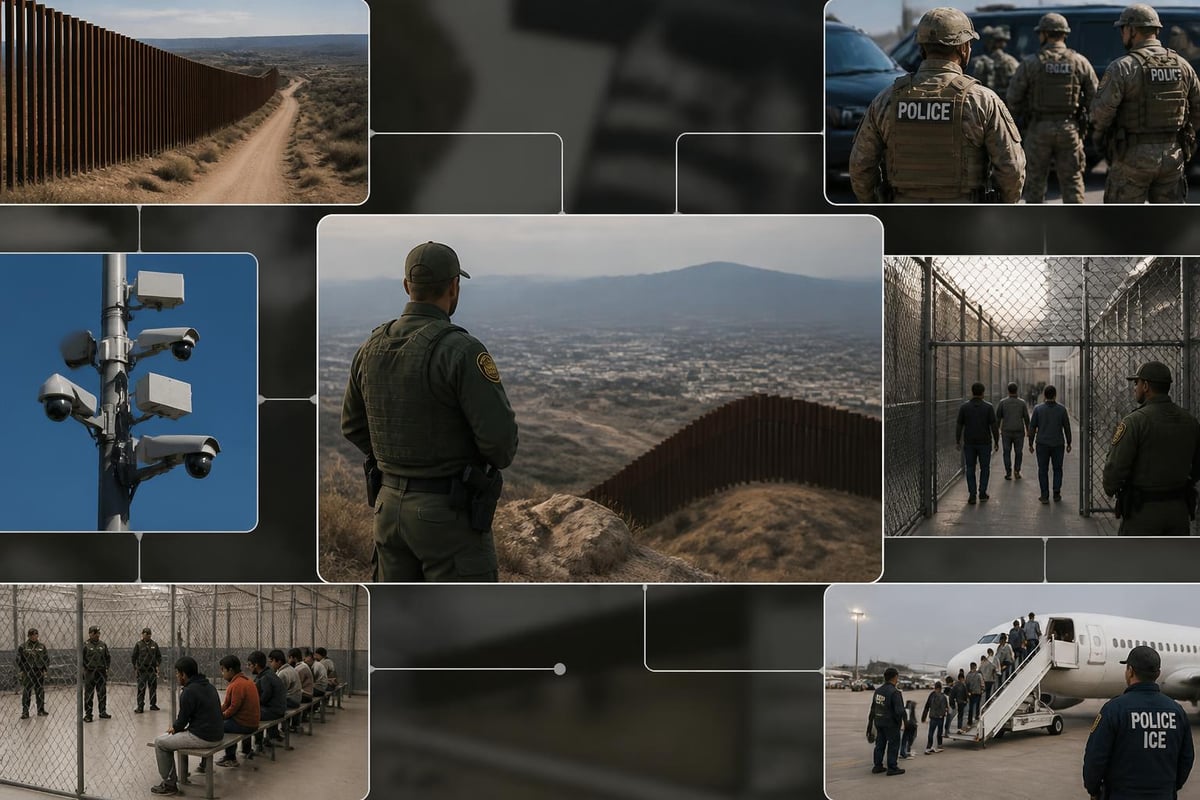
The cornerstone of the border policy under current administration centers on Executive Order 14165, titled "Securing Our Borders." This comprehensive directive establishes multiple enforcement priorities that fundamentally alter how border agencies operate. Executive Order 14165 outlines specific measures including expanded physical barrier construction, increased personnel deployment, and enhanced detention capacity.
Key Provisions of Executive Order 14165
The executive order contains several critical components that define current border operations:
- Physical barrier expansion along priority sectors of the southern border
- Personnel increases for Customs and Border Protection and Immigration and Customs Enforcement
- Technology deployment including surveillance systems and biometric screening
- Detention facility expansion to accommodate increased enforcement activities
- Expedited removal procedures for individuals without valid asylum claims
These measures represent the administration's commitment to what officials describe as securing national sovereignty and protecting American communities. The enforcement strategies outlined by the Council on Foreign Relations provide context for understanding how these policies fit within broader border management frameworks.
Asylum Policy Transformations
The border policy under current administration has dramatically altered asylum procedures, creating new pathways and restrictions for individuals seeking protection in the United States. The most significant change involves the reinstatement and expansion of the Migrant Protection Protocols, commonly known as the "Remain in Mexico" policy.
Remain in Mexico Protocol Implementation
NPR’s reporting on the Remain in Mexico policy highlights how asylum seekers must now wait in Mexico while their cases proceed through immigration courts. This policy affects thousands of migrants monthly, creating substantial challenges for legal representation and case preparation.
The protocol operates through these mechanisms:
- Initial screening at ports of entry to determine eligibility
- Return to Mexico for applicants while awaiting court dates
- Scheduled hearings in U.S. immigration courts
- Transportation coordination between Mexican authorities and U.S. agencies
- Final adjudication determining asylum status
Critics argue this approach exposes vulnerable populations to dangerous conditions in border cities, while supporters contend it reduces incentives for fraudulent asylum claims and decreases overcrowding in U.S. detention facilities.
Expedited Removal Procedures
Another cornerstone of the border policy under current administration involves expanded expedited removal authority. Border agents now possess broader discretion to deport migrants without asylum hearings when national security concerns exist or when individuals cannot demonstrate credible fear of persecution.
| Procedure Type | Processing Time | Appeal Rights | Documentation Required |
|---|---|---|---|
| Standard Removal | 30-60 days | Full appeal process | Extensive documentation |
| Expedited Removal | 24-48 hours | Limited review | Minimal documentation |
| Credible Fear Screening | 1-7 days | Administrative review | Interview required |
This table illustrates how expedited procedures significantly compress timelines compared to traditional removal processes, raising concerns among immigration advocates about due process protections.
Border Infrastructure Development
Physical infrastructure represents a visible component of the border policy under current administration. The executive orders direct multiple federal agencies to coordinate barrier construction, surveillance technology deployment, and infrastructure improvements along the southern border.
Construction and Technology Integration
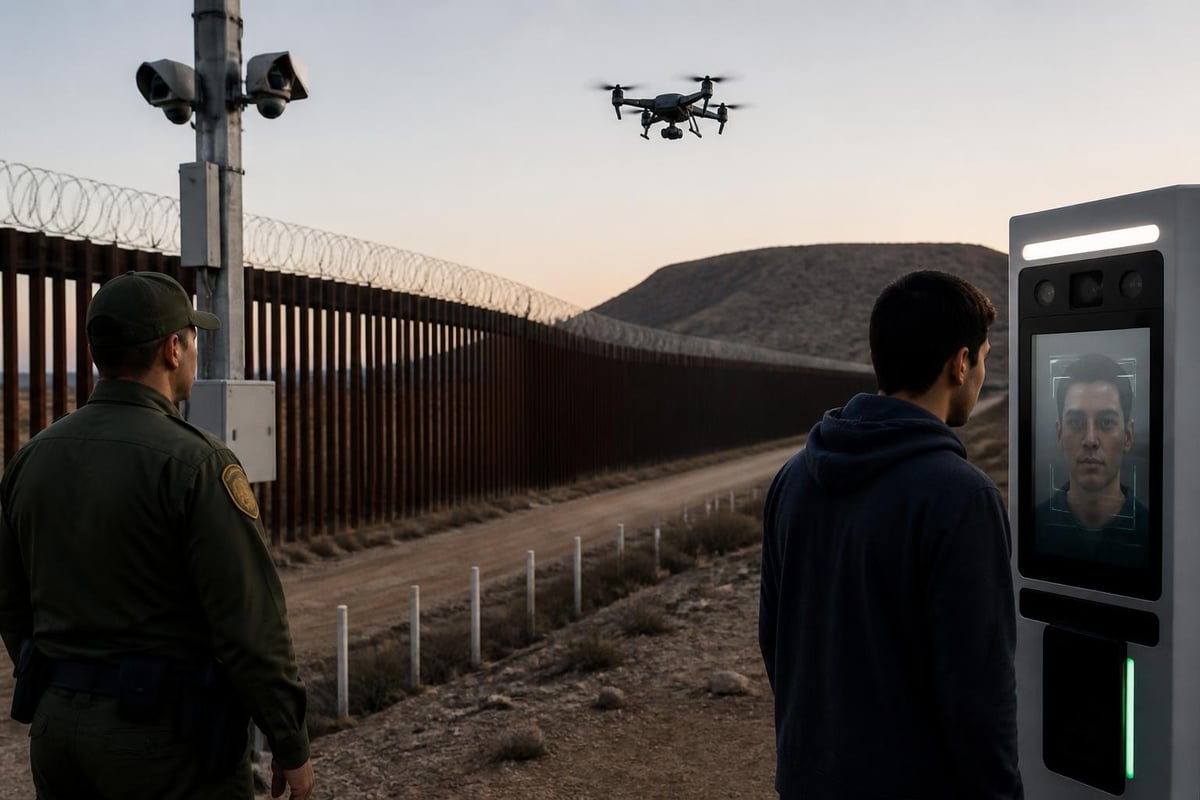
The administration has allocated substantial resources toward barrier systems that combine physical walls with technological monitoring capabilities. These systems include:
- Bollard-style barriers in urban and high-traffic areas
- Surveillance towers equipped with radar and optical sensors
- Ground sensors detecting movement and vibrations
- Drone patrols providing aerial monitoring
- Biometric screening stations at ports of entry
The NAFSA analysis of border security measures provides detailed examination of how these infrastructure investments align with broader enforcement objectives. Construction priorities focus on areas identified by Border Patrol as having highest crossing volumes or known smuggling corridors.
Personnel and Resource Allocation
Implementing the border policy under current administration requires substantial personnel increases across multiple federal agencies. The administration has requested funding for thousands of additional Border Patrol agents, immigration judges, detention officers, and support staff.
Hiring and Training Initiatives
Current recruitment efforts target several positions:
Border Patrol Agents: Goal of 10,000 additional agents by 2027
Immigration Judges: Expansion to reduce case backlog
Detention Officers: Support for expanded facility operations
Technology Specialists: Manage surveillance and screening systems
The Immigration Policy Tracking Project analysis notes that staffing challenges include competitive labor markets, extensive training requirements, and retention difficulties in remote border locations. These factors complicate the administration's timeline for achieving full operational capacity under the new policy framework.
Detention and Processing Operations
The border policy under current administration emphasizes expanded detention capacity to house individuals during removal proceedings or asylum case processing. This approach contrasts with previous alternatives-to-detention programs that relied on electronic monitoring and case management.
Facility Expansion Strategy
Federal authorities have pursued multiple avenues to increase detention space:
- Existing facility expansion at current ICE detention centers
- New facility construction in strategic border regions
- Contract facilities through private detention companies
- Military base utilization for temporary housing
- Tent facilities for surge capacity during high-volume periods
The administration argues this capacity expansion enables proper screening, prevents release of individuals with criminal histories, and ensures appearance at immigration proceedings. The Brookings Institution’s 100-day immigration analysis examines how detention expansion fits within the administration's broader enforcement philosophy.
| Facility Type | Capacity | Average Stay | Cost Per Day |
|---|---|---|---|
| ICE Contract Centers | 25,000 | 45 days | $134 |
| Family Residential | 3,500 | 21 days | $319 |
| Temporary Facilities | 10,000 | 14 days | $98 |
These operational metrics demonstrate the significant resource requirements associated with the current detention approach under the border policy framework.
Impact on Asylum Case Backlog
One consequence of the border policy under current administration involves its effect on immigration court backlogs. Despite intentions to expedite processing, the combination of increased apprehensions and limited judicial resources has created challenges for timely case resolution.
Court System Pressures
The immigration court system currently faces approximately 3.7 million pending cases, with wait times exceeding four years in many jurisdictions. The administration's policies contribute to this backlog through:
- Increased enforcement actions generating more removal cases
- Remain in Mexico cases requiring special hearing procedures
- Credible fear interviews adding screening steps before formal proceedings
- Appeals processes as individuals challenge expedited determinations
Efforts to address these delays include hiring additional immigration judges, implementing video teleconferencing for hearings, and establishing dedicated dockets for recent arrivals. However, the pace of new case filings continues to outstrip judicial capacity in most regions.

State and Local Government Coordination
The border policy under current administration requires cooperation between federal agencies and state or local governments, particularly in border states. This coordination involves information sharing, resource allocation, and joint operations that sometimes create political tensions.
Federal-State Partnerships
Several border states have implemented their own enforcement measures that complement or expand upon federal policies:
Texas: Operation Lone Star deploying state National Guard troops
Arizona: Enhanced cooperation agreements with Border Patrol
California: Selective participation based on state laws
New Mexico: Mixed approach balancing federal compliance and state priorities
These state-level initiatives reflect varying political perspectives on border security and immigration enforcement. Some governors enthusiastically support the border policy under current administration, while others maintain distance or implement protective policies for immigrant communities.
Legal Challenges and Judicial Review
The border policy under current administration faces numerous legal challenges from advocacy organizations, states, and affected individuals. Federal courts have issued preliminary injunctions on specific provisions while allowing others to proceed, creating a complex patchwork of enforcement authority.
Major Litigation Areas
Key legal disputes involve:
- Constitutional due process protections for asylum seekers
- Statutory authority for expedited removal expansion
- Environmental compliance for barrier construction
- Treaty obligations regarding refugee protection
- Administrative procedures governing policy implementation
Courts have scrutinized whether the administration followed proper rulemaking procedures when implementing policy changes, particularly those affecting asylum eligibility and credible fear standards. These judicial reviews continue to shape how border policies function in practice, sometimes requiring modifications or temporary suspensions of certain provisions.
International Diplomatic Dimensions
Beyond domestic implementation, the border policy under current administration requires diplomatic engagement with Mexico, Central American nations, and international organizations. These relationships influence migration patterns, enforcement cooperation, and regional stability.
Mexico Partnership Requirements
The Remain in Mexico policy depends fundamentally on Mexican government cooperation. Diplomatic negotiations have addressed:
Reception facilities for returned asylum seekers
Security provisions in border cities
Processing timelines for hearings and returns
Data sharing regarding migration flows
Economic support for Mexican border communities
Mexico's willingness to maintain this partnership reflects complex calculations involving trade relationships, development assistance, and migration management priorities. Changes in Mexican leadership or policy could significantly affect the viability of current border enforcement approaches.
Economic and Budgetary Considerations
Implementing the border policy under current administration requires substantial federal funding across multiple agencies and fiscal years. Congressional appropriations debates have centered on whether these investments represent effective use of taxpayer resources.
Cost Analysis Framework
Major expenditure categories include:
| Category | Annual Cost (Estimated) | Primary Uses |
|---|---|---|
| Personnel | $4.2 billion | Salaries, benefits, training |
| Infrastructure | $2.8 billion | Barriers, facilities, technology |
| Detention Operations | $3.1 billion | Housing, medical, transportation |
| Technology Systems | $890 million | Surveillance, screening, databases |
| Court Operations | $1.3 billion | Judges, support staff, facilities |
These figures represent approximate annual costs associated with full implementation of current policies, though actual appropriations may vary based on congressional decisions and operational adjustments. Supporters argue these investments enhance national security and reduce long-term costs associated with unauthorized immigration, while critics question effectiveness and suggest alternative approaches might achieve better outcomes at lower expense.
Humanitarian Concerns and Advocacy Responses
The border policy under current administration has generated significant concern among humanitarian organizations regarding treatment of vulnerable populations, family separation risks, and access to legal protections. These groups document conditions in detention facilities, provide legal representation, and advocate for policy modifications.
Advocacy Organization Activities
Major humanitarian efforts include:
- Legal services for asylum seekers navigating complex procedures
- Medical assistance for individuals in custody or awaiting processing
- Documentation projects recording policy impacts and enforcement practices
- Litigation support challenging policies through federal courts
- Public education informing communities about rights and resources
These organizations argue that the border policy under current administration prioritizes enforcement over protection obligations, potentially violating international refugee law and constitutional guarantees. They highlight individual cases of families separated, asylum seekers returned to danger, and procedural irregularities in expedited proceedings.
Technology and Data Systems
Modern border enforcement relies heavily on technological systems for tracking, screening, and information sharing. The border policy under current administration emphasizes expanding these capabilities to improve operational efficiency and security assessments.
Integrated Data Platforms
Federal agencies utilize interconnected systems including:
- Biometric databases storing fingerprints, facial recognition, and DNA samples
- Case management platforms tracking individuals through immigration proceedings
- Encounter documentation recording apprehensions and processing details
- Intelligence sharing networks connecting border agencies with law enforcement
- Predictive analytics identifying high-risk crossing locations and timing
These technological investments aim to provide agents with real-time information during encounters, enabling better decision-making about detention, release, or expedited removal. Privacy advocates raise concerns about data security, algorithmic bias, and potential misuse of sensitive personal information collected through these systems.
Regional Variations in Implementation
The border policy under current administration manifests differently across geographic regions based on local conditions, crossing patterns, and available infrastructure. Understanding these variations provides insight into practical enforcement realities beyond policy declarations.
Border Sector Differences
San Diego Sector: Urban environment with extensive infrastructure and high port-of-entry volume
Rio Grande Valley: Highest apprehension numbers with family units and unaccompanied minors
Tucson Sector: Remote desert terrain requiring specialized rescue operations
El Paso Sector: Mixed urban-rural environment with significant asylum processing
Each sector faces unique challenges requiring tailored approaches within the broader policy framework. Resources, personnel, and infrastructure investments reflect these regional priorities, with some areas receiving disproportionate attention based on migration patterns and enforcement priorities.
Future Policy Trajectories
Looking beyond current implementation, the border policy under current administration may evolve based on operational results, political developments, and external factors affecting migration flows. Several scenarios could shape future directions:
Scenario 1: Continued enforcement expansion if initial results support administration objectives
Scenario 2: Modification based on court rulings requiring procedural changes
Scenario 3: Diplomatic breakthroughs enabling regional migration management approaches
Scenario 4: Congressional action creating comprehensive immigration reform
Each trajectory would produce different outcomes for border communities, asylum seekers, enforcement personnel, and federal budgets. The administration's flexibility in responding to changing conditions will determine whether current policies represent long-term strategy or transitional approaches subject to refinement. For more comprehensive coverage of how presidential policies affect domestic governance, readers can explore U.S. Presidential Report’s analysis of climate change policy and other policy areas.
The border policy under current administration represents one of the most significant shifts in U.S. immigration enforcement in decades, affecting millions of individuals and reshaping how America manages its boundaries. As these policies continue evolving through implementation challenges, legal battles, and political debates, staying informed about developments becomes essential for understanding their broader implications. U.S. Presidential Report provides non-partisan coverage of presidential policies, including comprehensive analysis of border security, immigration reform, and other critical governance issues, helping readers navigate complex policy landscapes with factual, balanced reporting.