American democracy has weathered numerous storms throughout its history, with political scandals serving as critical tests of institutional strength and public accountability. The biggest political scandals in US history have not only shaped presidential legacies but also transformed the relationship between citizens and their elected officials. These watershed moments exposed corruption, abuse of power, and ethical failures that fundamentally altered governance and transparency in the United States. Understanding these scandals provides essential context for evaluating modern political accountability and the ongoing evolution of democratic oversight.
The Watergate Scandal: A Presidency Unraveled
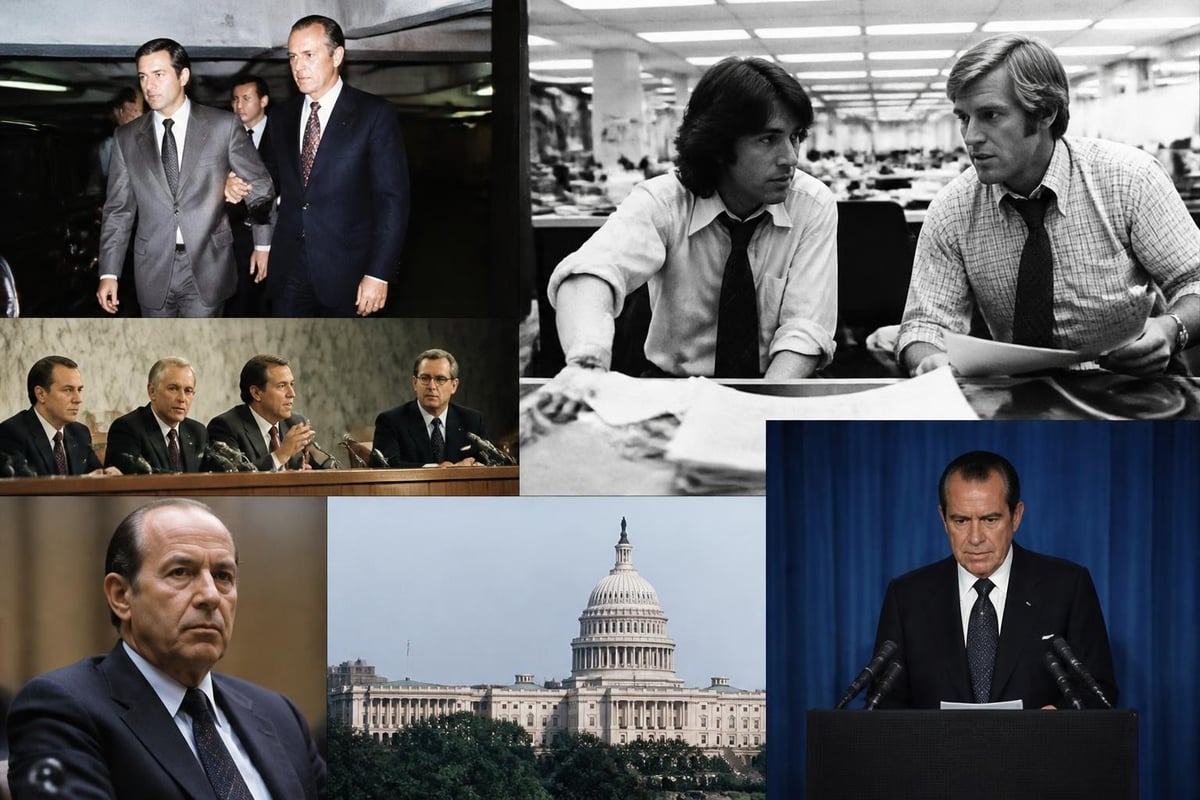
The Watergate scandal stands as perhaps the most consequential political controversy in modern American history. Beginning with a break-in at the Democratic National Committee headquarters in June 1972, this scandal ultimately forced President Richard Nixon to resign in August 1974.
The scandal's impact extended far beyond Nixon's resignation. Congressional investigations revealed a systematic pattern of abuse of power, including illegal wiretapping, campaign finance violations, and obstruction of justice. The Senate Watergate Committee hearings, broadcast nationally, introduced Americans to a culture of corruption within the highest levels of government.
Lasting Reforms and Constitutional Impact
Watergate fundamentally changed American politics in several ways:
- Creation of the Office of Independent Counsel
- Passage of the Ethics in Government Act of 1978
- Strengthened campaign finance disclosure requirements
- Enhanced congressional oversight mechanisms
- Increased media scrutiny of presidential administrations
The scandal demonstrated that no president was above the law, establishing precedents for accountability that continue to resonate. This watershed moment remains one of the biggest political scandals in US history, fundamentally reshaping the balance between executive power and oversight.
Teapot Dome: Corruption in the Harding Administration
Before Watergate, the Teapot Dome scandal represented the gold standard for presidential corruption. In the early 1920s, Secretary of the Interior Albert Fall secretly leased federal oil reserves to private companies in exchange for substantial bribes.
President Warren G. Harding's administration became synonymous with cronyism and corruption. Fall became the first Cabinet member in American history to be imprisoned for crimes committed while in office, receiving a one-year sentence and a $100,000 fine.
The scandal involved three primary components:
- Secret lease negotiations for the Teapot Dome reserve in Wyoming
- Elk Hills reserve lease in California to another oil company
- Financial kickbacks totaling approximately $404,000 to Secretary Fall
This corruption occurred while the nation transitioned into the modern era, making the scandal particularly shocking to a public that expected higher standards from government officials.
The Iran-Contra Affair: Shadow Foreign Policy
The Iran-Contra affair revealed a secret operation conducted by Reagan administration officials during the mid-1980s. This complex scandal involved two separate foreign policy initiatives that violated congressional mandates and established laws.
The Dual Operations
| Operation Component | Description | Legal Violation |
|---|---|---|
| Arms Sales to Iran | Weapons sold to Iran despite embargo | Arms Export Control Act |
| Contra Funding | Proceeds diverted to Nicaraguan rebels | Boland Amendment |
| Cover-up Activities | Document destruction and false testimony | Obstruction of justice |
The scandal highlighted concerns about executive overreach and accountability in foreign policy decisions. Several administration officials were indicted, though many convictions were later overturned on technical grounds.
President Reagan's knowledge and involvement remained contested throughout investigations. The affair damaged his second-term legacy and raised fundamental questions about constitutional limits on presidential authority in conducting foreign policy.
The Monica Lewinsky Scandal and Presidential Impeachment
President Bill Clinton's relationship with White House intern Monica Lewinsky triggered a political and constitutional crisis in 1998. The scandal began with an investigation into the Whitewater real estate dealings but expanded when Independent Counsel Kenneth Starr uncovered evidence of the inappropriate relationship.
Clinton's initial denial under oath led to impeachment on charges of perjury and obstruction of justice. The House of Representatives voted to impeach, making Clinton only the second president to face such charges.
Key elements of this scandal included:
- Presidential testimony before a grand jury
- Release of the explicit Starr Report
- Intense partisan divisions over impeachment standards
- Senate acquittal despite House impeachment
- Questions about privacy, morality, and presidential conduct
The scandal dominated American politics for over a year and raised important debates about what constitutes impeachable offenses. While Clinton survived politically, the episode left lasting marks on his legacy and influenced public discourse about personal conduct and political accountability.
Grant Administration Corruption: Whiskey Ring and Beyond
President Ulysses S. Grant's administration, despite Grant's personal integrity, became mired in multiple corruption scandals during the 1870s. The most notorious was the Whiskey Ring scandal, where distillers and public officials conspired to defraud the government of tax revenues.
The conspiracy involved Treasury officials, distillers, distributors, and even Grant's personal secretary, Orville Babcock. Investigators estimated the government lost millions in tax revenue through this elaborate scheme.
Additional Grant-Era Scandals
Grant's presidency was plagued by numerous ethical controversies:
- Credit Mobilier scandal involving railroad construction kickbacks
- Indian Ring corruption in the Department of Interior
- Trading post scandals exploiting Native American communities
- Black Friday gold manipulation attempt in 1869
These scandals reflected the challenges of governance during Reconstruction and rapid industrial expansion. While Grant himself was never implicated in personal corruption, his loyalty to associates and poor judgment in appointments enabled widespread misconduct.
The Crédit Mobilier Scandal: Congressional Corruption
The Crédit Mobilier scandal of 1872 exposed how private interests corrupted the legislative process during the Gilded Age. This construction company, formed to build the transcontinental railroad, charged the Union Pacific Railroad vastly inflated prices while distributing stock to congressmen to prevent investigations.
Representative Oakes Ames distributed shares to influential members of Congress, including future President James Garfield and Vice President Schuyler Colfax. The scandal demonstrated how business interests could compromise congressional oversight, leading to calls for reform.
Pentagon Papers and Executive Deception
The Pentagon Papers leak in 1971 revealed systematic deception by multiple administrations about the Vietnam War. Daniel Ellsberg, a military analyst, provided classified documents to The New York Times, exposing how presidents from Truman through Nixon had misled the public about military involvement and prospects for success.
The Supreme Court's decision in New York Times Co. v. United States protected press freedom against prior restraint, establishing crucial First Amendment precedents. This episode highlighted tensions between national security claims and democratic transparency.
The scandal's revelations included:
- Expansion of war beyond public knowledge
- Doubts about military success concealed from citizens
- Deliberate escalation despite internal pessimism
- Pattern of deception across administrations
The Abscam Investigation: Congressional Sting Operation
The Abscam investigation of the late 1970s and early 1980s used FBI undercover operations to expose congressional corruption. Agents posed as Arab businessmen seeking political favors, leading to convictions of one senator and six representatives.
| Official | Position | Charge | Outcome |
|---|---|---|---|
| Harrison Williams | Senator (NJ) | Bribery, conspiracy | Convicted, resigned |
| Michael Myers | Representative (PA) | Bribery | Convicted, expelled |
| John Jenrette | Representative (SC) | Bribery | Convicted, defeated |
| Richard Kelly | Representative (FL) | Bribery | Convicted, defeated |
The investigation raised ethical questions about entrapment while demonstrating vulnerability to corruption among elected officials. The scandal reinforced public cynicism about congressional ethics during an era already marked by distrust following Watergate.
The XYZ Affair: Early Republic Corruption
Even the early republic faced significant scandals. The XYZ Affair of 1797-1798 involved French officials demanding bribes from American diplomats as a prerequisite for negotiations. While technically a foreign policy crisis, the scandal exposed how European powers viewed the young American republic and tested presidential leadership.
President John Adams navigated the crisis without war, though it damaged Franco-American relations and sparked domestic political divisions. The affair demonstrated that corruption and ethical challenges existed from the nation's founding.
Profumo and American Parallels: Cold War Security Risks
While the Profumo affair occurred in Britain, similar security concerns emerged in American politics during the Cold War. Presidential administrations faced scandals involving security clearances, personal conduct, and potential compromise by foreign powers.
These episodes reinforced connections between personal behavior and national security, themes that would resurface repeatedly throughout the biggest political scandals in US history.
Senate Keating Five: Savings and Loan Crisis
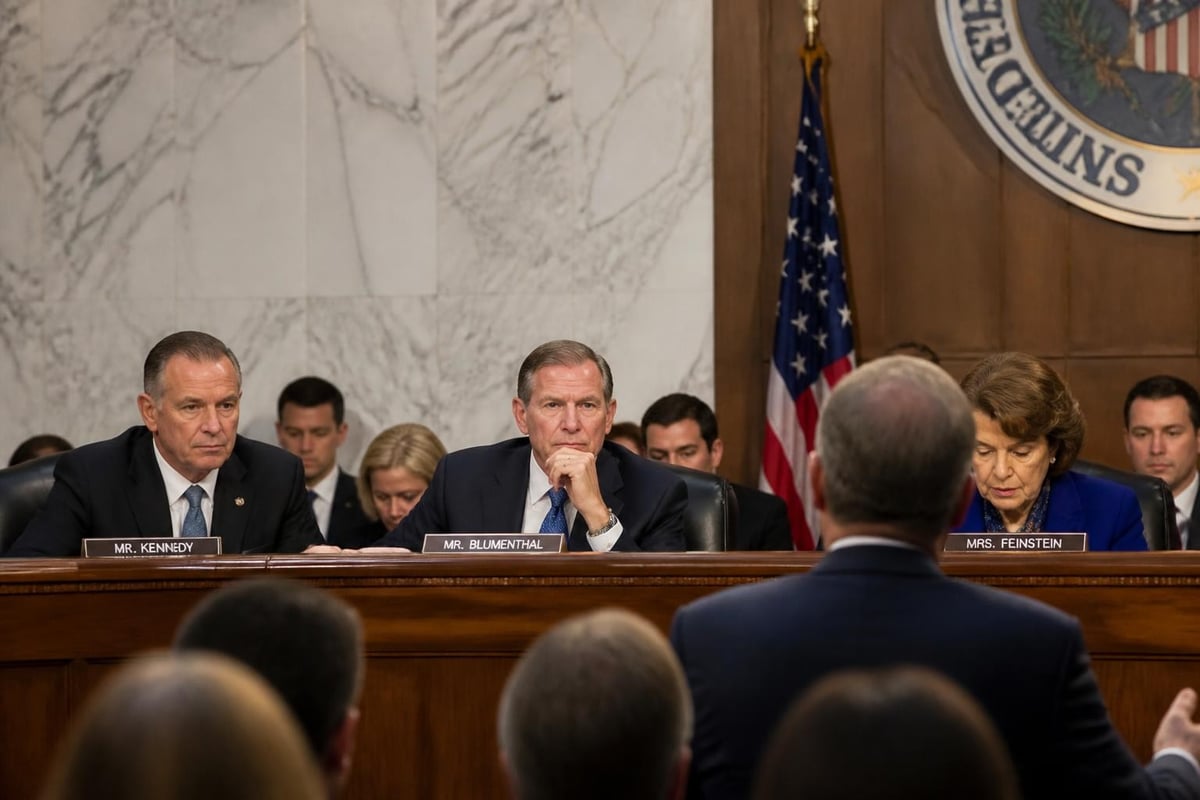
The Keating Five scandal of the late 1980s involved five senators accused of improperly intervening with federal regulators on behalf of Charles Keating, chairman of Lincoln Savings and Loan. The senators had received substantial campaign contributions from Keating.
The scandal occurred during the broader savings and loan crisis that cost taxpayers billions. The Senate Ethics Committee investigated all five senators, though punishments varied from reprimands to rebukes. Senator John McCain, one of the five, later called his involvement "the worst mistake of my life."
This episode highlighted problems with campaign finance and regulatory oversight that continue to generate scandals across congressional history.
Modern Transparency and Accountability Mechanisms
The biggest political scandals in US history prompted significant institutional reforms. The post-Watergate era saw creation of new oversight mechanisms, ethics committees, and transparency requirements designed to prevent future abuses.
Key reforms included:
- Freedom of Information Act strengthening
- Campaign finance disclosure requirements
- Ethics in Government Act provisions
- Independent counsel/special prosecutor systems
- Enhanced congressional investigative powers
These mechanisms reflect lessons learned from historical scandals, though debates continue about their effectiveness and potential for partisan abuse.
Impact on Public Trust and Democratic Norms
Research consistently shows that major political scandals erode public confidence in government institutions. Each scandal in this history contributed to declining trust metrics, though the cumulative effect has been more significant than any single episode.
The evolution of political scandals over time reflects changing technology, media environments, and social norms. What shocked citizens in earlier eras might seem quaint by modern standards, while contemporary scandals unfold in real-time through social media and 24-hour news cycles.
Presidential scandals particularly damage institutional legitimacy because they involve the nation's highest office. When presidents abuse power or engage in corruption, the breach of trust affects the entire governmental system.
Media's Role in Exposing Corruption
Investigative journalism has played a crucial role in uncovering the biggest political scandals in US history. From the muckrakers of the Progressive Era through Woodward and Bernstein's Watergate reporting to modern investigative teams, journalists have served as essential watchdogs.
The relationship between press freedom and accountability became particularly clear during major scandals. Constitutional protections enabling journalists to investigate and report without government interference proved essential for democratic oversight.
Changes in media economics and technology continue to reshape scandal dynamics. The speed of information flow, social media amplification, and partisan news ecosystems all influence how scandals develop and impact public opinion.
Comparative Analysis: Presidential versus Congressional Scandals
While presidential scandals typically receive more attention, congressional corruption has been equally pervasive throughout American history. The institutional differences between executive and legislative branches create distinct scandal patterns and accountability mechanisms.
Presidential scandals often involve:
- Abuse of executive powers
- Foreign policy overreach
- Cover-ups and obstruction
- Personal conduct issues
Congressional scandals more frequently center on:
- Campaign finance violations
- Bribery and kickbacks
- Ethics violations
- Conflicts of interest
Understanding these patterns helps contextualize individual scandals within broader institutional challenges facing American democracy.
Legal and Constitutional Frameworks
The biggest political scandals in US history tested constitutional boundaries and legal frameworks governing official conduct. Many scandals prompted new legislation or constitutional interpretations that shaped subsequent governance.
The impeachment process, used sparingly in American history, represents the ultimate constitutional accountability mechanism. Beyond impeachment, criminal prosecution of officials, congressional censure, and electoral consequences all contribute to the accountability ecosystem.
Legal responses to scandals have included:
- Special prosecutor/independent counsel investigations
- Congressional hearings and oversight
- Criminal prosecutions under existing statutes
- Ethics committee actions
- Regulatory reforms
These varied mechanisms reflect the complexity of holding powerful officials accountable while maintaining governmental functionality.
International Comparisons and Democratic Resilience
Compared to many democracies, the United States has demonstrated remarkable institutional resilience in weathering political scandals. The constitutional system's separation of powers, free press, and electoral accountability have generally prevented scandals from destabilizing the government itself.
However, the cumulative effect of repeated scandals has raised concerns about democratic health. Declining trust in institutions, partisan polarization around scandals, and uneven accountability all challenge the system's long-term sustainability.
For those interested in understanding how these historical patterns relate to current events, U.S. Presidential Report provides ongoing coverage of presidential accountability issues.
The biggest political scandals in US history reveal both the vulnerabilities and strengths of American democracy, demonstrating how institutional checks and balances have evolved through crisis and reform. For comprehensive, non-partisan coverage of presidential news and historical context on political accountability, U.S. Presidential Report offers readers reliable analysis of both current events and their historical precedents. Understanding these patterns helps citizens evaluate contemporary political developments with informed perspective.