The america first border funding 2026 initiative represents a significant shift in how the United States allocates federal resources toward border security and immigration enforcement. As Congress finalized the fiscal year 2026 appropriations, border security emerged as a central priority, with substantial increases in funding for physical infrastructure, personnel, and technology. This comprehensive budget package reflects the administration's commitment to strengthening national security while addressing longstanding challenges at America's borders. Understanding the intricacies of this funding mechanism provides critical insights into how federal policy translates into operational reality along the nation's frontiers.
Congressional Appropriations and Legislative Framework
The House passage of H.R. 7148 and H.R. 7147 marked a pivotal moment in establishing the america first border funding 2026 blueprint. These bills completed the fiscal year appropriations process, cementing border security as a foundational element of the federal budget. The legislative framework incorporated multiple agencies and departments, creating an integrated approach to border management.
Homeland Security Appropriations Breakdown
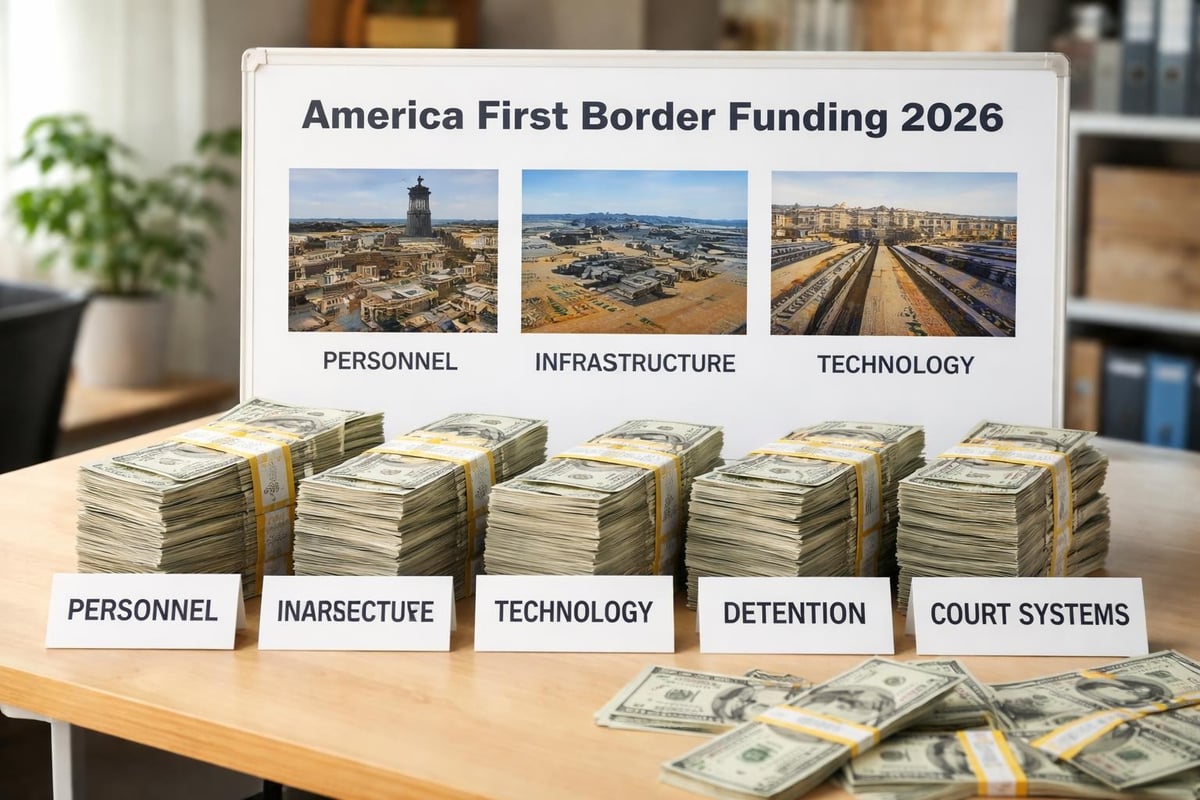
The Department of Homeland Security received unprecedented attention in the 2026 budget cycle. Congress allocated resources across several critical operational areas:
- Border Patrol Personnel: Funding for additional agents and support staff
- Physical Barriers: Construction and maintenance of border wall systems
- Technology Integration: Advanced surveillance and detection systems
- Detention Facilities: Expanded capacity for processing and holding facilities
- Immigration Courts: Additional judges and administrative support
Resource distribution prioritized immediate operational needs while investing in long-term infrastructure improvements. The Homeland Security Appropriations Act, 2026 detailed specific allocations for each program area, providing transparency into how taxpayer dollars would be deployed along the border.
Physical Infrastructure Investment
Physical barriers remained a cornerstone of the america first border funding 2026 strategy. The budget allocated substantial resources for both new construction and maintenance of existing structures. Engineering assessments identified priority sectors where terrain and migration patterns demanded immediate attention.
Wall Construction Priorities
Construction efforts focused on strategic locations identified through data analysis and operational experience. Border Patrol sector chiefs provided input on areas experiencing the highest crossing attempts, enabling targeted deployment of resources.
| Border Sector | Allocated Funding | Miles Planned | Priority Level |
|---|---|---|---|
| Rio Grande Valley | $2.1 billion | 145 miles | Critical |
| Tucson Sector | $1.8 billion | 112 miles | High |
| San Diego Sector | $1.3 billion | 78 miles | Medium |
| El Paso Sector | $1.6 billion | 95 miles | High |
The infrastructure component extended beyond traditional barriers. The budget included funding for access roads, lighting systems, drainage improvements, and environmental mitigation measures. These supporting elements proved essential for effective border management and long-term sustainability.
Technology and Detection Systems
Modern border security depends heavily on technological capabilities. The america first border funding 2026 package dedicated significant resources to cutting-edge detection and surveillance systems. These investments aimed to create a comprehensive awareness picture across all border regions.
Fixed tower systems equipped with radar and optical sensors formed the backbone of remote monitoring capabilities. Mobile surveillance units provided flexibility to respond to changing migration patterns. Integrated communications networks ensured real-time information sharing between field agents and command centers.
Advanced Detection Capabilities
Ground Sensors: Underground detection systems identified tunnel construction and subterranean crossing attempts. Seismic and acoustic sensors monitored activity patterns, alerting agents to potential security breaches.
Aerial Surveillance: Unmanned aircraft systems expanded coverage over difficult terrain. Tethered aerostats provided persistent monitoring in high-traffic areas. Satellite imagery supplemented ground-based systems for comprehensive situational awareness.
Biometric Processing: Expanded biometric collection capabilities at ports of entry streamlined legitimate travel while enhancing security screening. Facial recognition and fingerprint systems integrated with national databases to identify security threats.
Personnel Expansion and Training
Human resources represented the most critical component of border security operations. The america first border funding 2026 appropriations included provisions for recruiting, hiring, and training thousands of new Border Patrol agents and support personnel.
Recruitment challenges necessitated innovative approaches to attract qualified candidates. Enhanced salary packages, expedited hiring processes, and improved benefits aimed to build a robust workforce capable of meeting operational demands. Background investigations and training programs maintained rigorous standards while accelerating time-to-deployment.
Training Infrastructure Investment
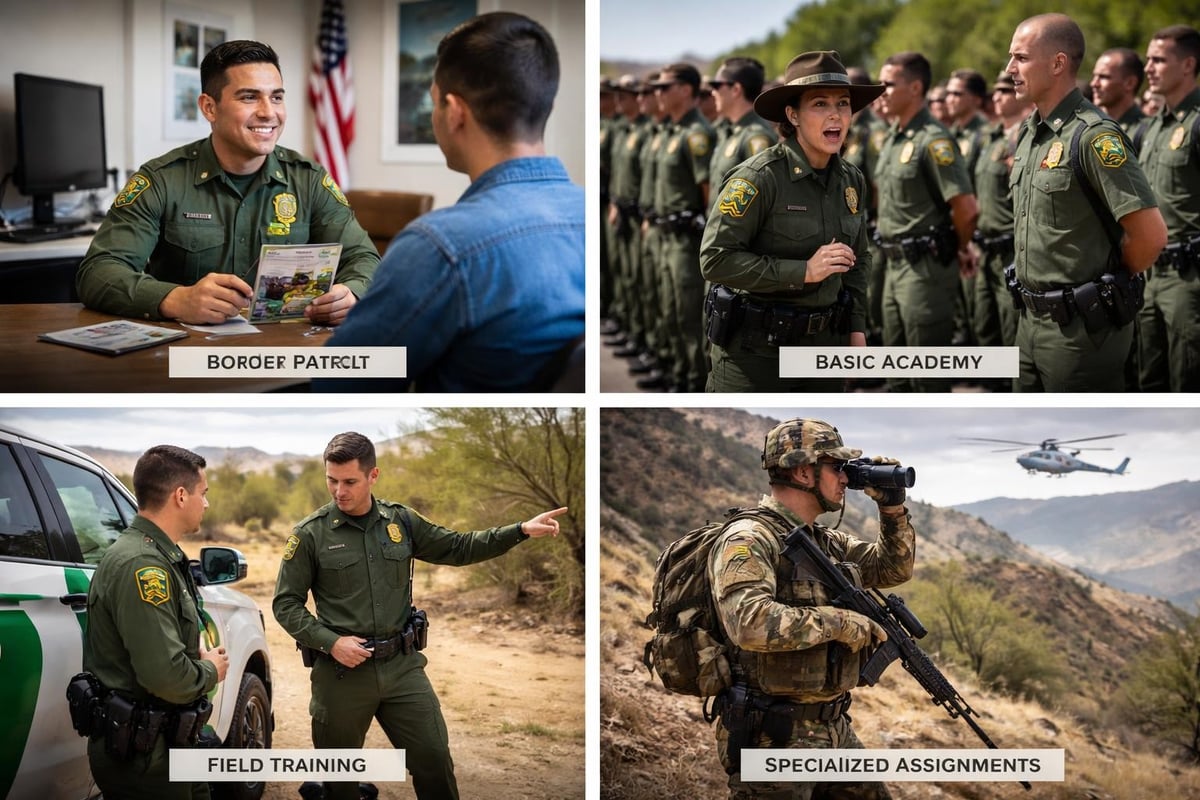
New training facilities across the Southwest provided realistic environments for agent preparation. Scenario-based exercises replicated actual border conditions, ensuring personnel readiness before field deployment.
- Basic Academy Enhancement: Extended curriculum covering legal frameworks, use of force, emergency medical response, and cultural competency
- Advanced Tactical Training: Specialized skills for high-risk operations including vehicle pursuits, tactical communications, and rescue operations
- Technology Integration: Comprehensive training on surveillance systems, detection equipment, and communication platforms
- Supervisory Development: Leadership programs for mid-level managers and sector chiefs
Detention and Processing Facilities
Managing individuals apprehended at the border required substantial infrastructure investment. The america first border funding 2026 budget allocated resources for expanding detention capacity and improving processing efficiency. Facilities needed to meet humanitarian standards while ensuring security and operational effectiveness.
New construction projects focused on family-appropriate housing units, medical facilities, and administrative processing centers. Existing facilities received upgrades to heating, cooling, and sanitation systems. Legal requirements for adequate space, nutrition, and healthcare drove facility design specifications.
Immigration Court System Enhancement
Addressing the immigration court backlog emerged as a critical priority within the broader funding framework. The 2026 United States federal budget included substantial increases for the Executive Office for Immigration Review, enabling the hiring of additional immigration judges and support staff.
Expedited Case Processing: New judges focused on recent apprehensions, reducing the time between detention and adjudication. Video conferencing capabilities connected remote detention facilities with immigration courts, eliminating transportation costs and security risks.
Legal Representation Programs: Funding supported legal orientation programs and access to counsel, ensuring due process while expediting case resolution. These investments aimed to reduce continuances and administrative delays that prolonged detention periods.
Interagency Coordination Mechanisms
Effective border security required seamless coordination across multiple federal agencies. The america first border funding 2026 package included resources for joint operations centers, shared intelligence platforms, and coordinated enforcement strategies.
Customs and Border Protection, Immigration and Customs Enforcement, the Coast Guard, and the Department of Defense participated in integrated planning processes. Resources flowed toward initiatives that leveraged each agency's unique capabilities while eliminating redundant efforts.
Intelligence Sharing Infrastructure
Modern threats demanded sophisticated intelligence analysis capabilities. Fusion centers along the border aggregated data from multiple sources, identifying patterns and predicting migration flows. Analytical tools processed vast quantities of information, highlighting actionable intelligence for field operations.
| Intelligence Category | Data Sources | Analysis Frequency | Distribution Level |
|---|---|---|---|
| Migration Patterns | Apprehension data, sensor activations | Daily | Sector-wide |
| Cartel Activity | Informant reports, surveillance | Real-time | Multi-agency |
| Contraband Trafficking | Seizure records, interdictions | Weekly | National |
| Infrastructure Threats | Engineering assessments, reconnaissance | Monthly | Leadership |
Economic Impact and Regional Considerations
The america first border funding 2026 initiative generated significant economic activity in border communities. Construction projects created employment opportunities for local contractors and suppliers. Federal personnel stationed in border regions contributed to local economies through housing, retail, and service sector spending.
Environmental assessments evaluated potential impacts on ecosystems and wildlife corridors. Mitigation measures addressed concerns raised by conservation organizations and tribal nations. Balancing security objectives with environmental stewardship required careful planning and ongoing stakeholder engagement.
Policy Debates and Political Context
Border security funding remained politically contentious throughout the appropriations process. The impact of America First policies on immigration enforcement and the broader political landscape influenced budget negotiations. Congressional debates reflected fundamental disagreements about immigration policy, resource allocation, and enforcement priorities.
The America First Policy Institute provided research and policy recommendations that shaped legislative proposals. Think tanks across the political spectrum offered competing visions for border security, contributing to robust public discourse about national priorities.
Partisan divisions complicated the appropriations process, with negotiations extending beyond normal timelines. The 2026 Department of Homeland Security shutdown briefly interrupted operations when funding gaps emerged during congressional debates. Temporary continuing resolutions maintained basic operations while lawmakers resolved differences.
Operational Implementation Challenges
Translating appropriated dollars into operational capabilities presented numerous challenges. Procurement processes for technology systems required competitive bidding and extensive testing. Environmental reviews delayed some construction projects, particularly in sensitive ecological areas.
Acquisition Timeline Considerations
Complex procurement regulations governed major purchases and contracts. Federal acquisition requirements ensured competitive processes while sometimes extending implementation timelines:
- Requirements Definition: Operational needs translated into technical specifications
- Market Research: Identifying qualified vendors and existing solutions
- Solicitation Development: Creating detailed requests for proposals
- Evaluation and Award: Analyzing submissions and selecting contractors
- Production and Delivery: Manufacturing, testing, and deployment
- Integration and Training: Incorporating new systems into existing operations
Land acquisition for infrastructure projects involved negotiations with private landowners, state authorities, and tribal governments. Eminent domain proceedings addressed situations where voluntary agreements proved impossible. Legal challenges occasionally delayed project timelines, requiring adaptive planning and resource reallocation.
Oversight and Accountability Mechanisms
Appropriated funds required rigorous oversight to ensure proper expenditure and program effectiveness. Congressional committees maintained active oversight through hearings, site visits, and regular reporting requirements. Inspector General offices within relevant departments conducted independent audits and investigations.
Performance Metrics: Quantifiable measures tracked program success, including apprehension rates, prosecution numbers, and infrastructure completion percentages. Data-driven assessments informed future budget requests and operational adjustments.
Financial Audits: Regular financial reviews verified compliance with appropriations law and identified potential waste or fraud. Transparency requirements ensured public access to spending information through standardized reporting mechanisms.
State and Local Partnership Programs
Federal border security efforts increasingly incorporated state and local resources through partnership programs. The america first border funding 2026 appropriations included grants for state law enforcement agencies participating in border operations. Task forces combined federal agents with state troopers and local sheriffs, leveraging regional knowledge and expanding operational capacity.
National Guard deployments supplemented Border Patrol operations in high-priority areas. Federal funding reimbursed states for National Guard costs, enabling sustained deployments without straining state budgets. These partnerships proved particularly valuable in remote areas where federal presence remained limited.
Future Funding Trajectory
The america first border funding 2026 appropriations established precedents for future budget cycles. Multi-year construction projects required sustained funding commitments extending beyond single fiscal years. Technology systems demanded ongoing maintenance and upgrade investments to remain effective against evolving threats.
Demographic and economic factors in source countries influenced long-term migration pressures. Climate change impacts on agriculture and water resources potentially affected future migration patterns, requiring adaptive security strategies. Budget planners incorporated these variables into long-range forecasts, ensuring resources aligned with anticipated challenges.
Authorization levels set by Congress provided frameworks for annual appropriations. Differences between authorized and appropriated amounts reflected competing budget priorities and fiscal constraints. Understanding these dynamics proved essential for analyzing border security funding trends.
The america first border funding 2026 represents a comprehensive approach to border security that balances infrastructure, personnel, and technology investments with operational realities and political constraints. These appropriations decisions shape immigration enforcement capabilities and reflect evolving national priorities regarding border management. For comprehensive, non-partisan coverage of how presidential administrations approach border security and other critical policy areas, U.S. Presidential Report provides readers with the latest news and analysis on current and past presidents. Stay informed about how federal policies impact communities nationwide with our in-depth reporting on presidential actions and congressional developments.