George Washington's tenure as the first President of the United States established the foundation for American executive leadership. Serving from April 30, 1789, to March 4, 1797, Washington president years represent a critical period in American history when the office itself was being defined. His decisions during this time created precedents that would guide future presidents and shape the executive branch for generations to come. Understanding the washington president years provides essential context for analyzing how the presidency has evolved and continues to function in modern governance.
The Beginning of Washington's Presidential Service
George Washington assumed the presidency during a time of unprecedented uncertainty. The Constitution had just been ratified, and no one had ever held the position before. The washington president years began with his unanimous election by the Electoral College in 1789, making him the only president in American history to receive 100% of electoral votes. This extraordinary mandate reflected the nation's confidence in his leadership after his military service during the Revolutionary War.
The first inauguration took place in New York City, then the nation's capital, on April 30, 1789. Washington took the oath of office on the balcony of Federal Hall, establishing traditions that continue today. His inaugural address emphasized national unity and the experimental nature of the new government. The American Presidency Project documents these early days of his administration, providing valuable insight into the challenges he faced.
Establishing the Executive Branch Structure
During the washington president years, Washington faced the monumental task of creating a functioning executive branch from scratch. He established the Cabinet system, appointing leaders to key departments including State, Treasury, and War. His selection of Thomas Jefferson as Secretary of State and Alexander Hamilton as Secretary of Treasury brought brilliant but often conflicting minds into his administration.
Key Cabinet appointments included:
- Thomas Jefferson – Secretary of State
- Alexander Hamilton – Secretary of the Treasury
- Henry Knox – Secretary of War
- Edmund Randolph – Attorney General
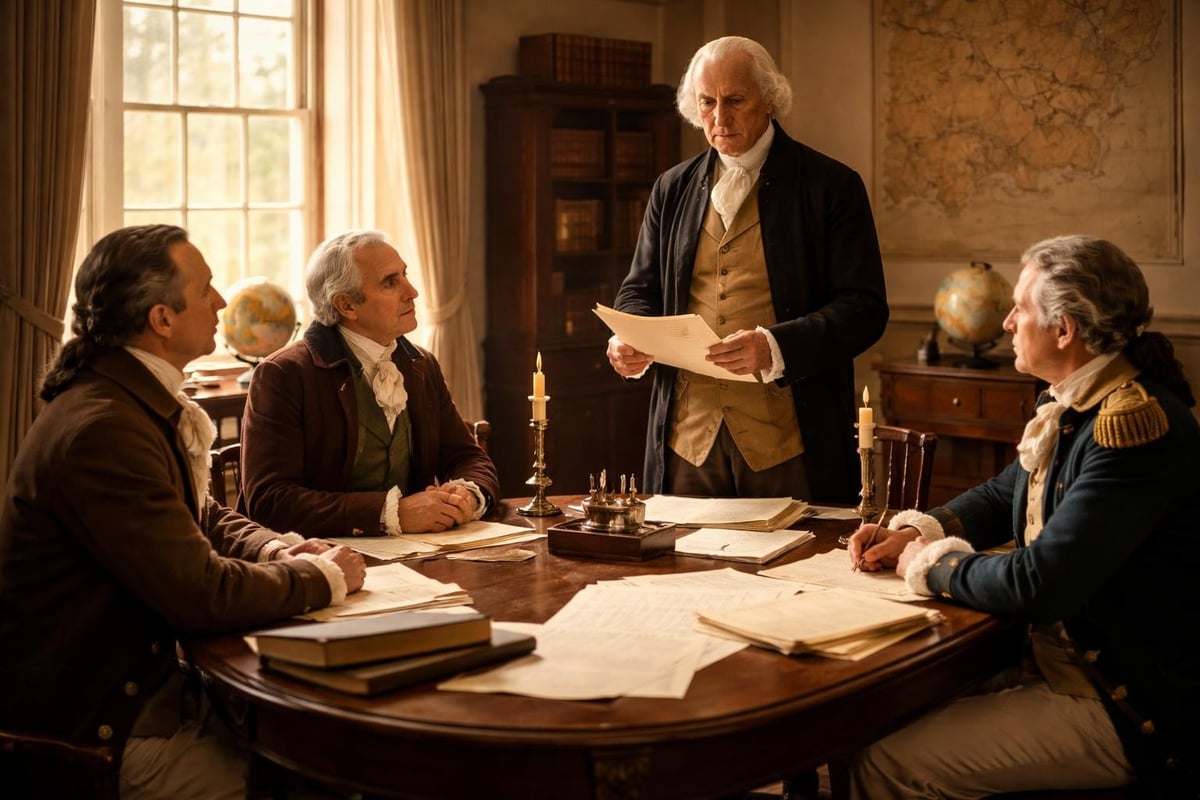
These appointments reflected Washington's desire to include diverse perspectives in governance. However, the philosophical differences between Hamilton and Jefferson would eventually lead to the formation of America's first political parties, fundamentally changing the political landscape.
Domestic Policy Achievements During Washington President Years
Washington's domestic agenda focused on establishing financial stability and federal authority. The washington president years saw the implementation of Hamilton's financial plan, which addressed the nation's war debt and established a national bank. This controversial program assumed state debts, created a national currency, and laid the groundwork for American economic development.
The Whiskey Rebellion of 1794 tested federal authority during the washington president years. When Pennsylvania farmers violently protested a tax on whiskey, Washington personally led a militia force to suppress the uprising. This decisive action demonstrated that the new federal government had both the will and capacity to enforce its laws, establishing an important precedent for executive power.
Building National Infrastructure
Washington understood that physical infrastructure was essential for national unity. During the washington president years, he supported the development of roads, postal routes, and communication networks that would bind the states together. He also championed the establishment of a permanent capital city, which would eventually bear his name.
| Infrastructure Initiative | Purpose | Impact |
|---|---|---|
| National Road System | Connect regions | Enhanced commerce and communication |
| Postal Service Expansion | Improve mail delivery | Strengthened national cohesion |
| Capital City Planning | Create permanent seat of government | Established Washington, D.C. |
The selection of a location for the federal capital involved complex negotiations between northern and southern states. The Residence Act of 1790 designated a site along the Potomac River, creating the District of Columbia as a neutral ground between competing regional interests.
Foreign Policy and Neutrality
The washington president years coincided with turbulent international affairs, particularly the French Revolution and subsequent European wars. Washington's foreign policy emphasized neutrality and non-interference in European conflicts. His Proclamation of Neutrality in 1793 established America's position of avoiding entangling alliances, a principle that would guide American foreign policy for over a century.
The Jay Treaty of 1794 addressed lingering tensions with Great Britain and prevented another war, though it proved highly controversial domestically. Washington's support for this treaty demonstrated his willingness to prioritize long-term national interests over popular sentiment. Britannica’s analysis of Washington’s presidency explores how these diplomatic decisions shaped early American foreign relations.
Managing International Relations
Washington faced delicate diplomatic challenges during his administration. The Citizen Genêt affair tested his neutrality policy when a French diplomat attempted to rally American support for France. Washington's firm response reinforced American independence in foreign affairs and established the president's authority in international relations.
Major foreign policy challenges included:
- Maintaining neutrality during European wars
- Resolving disputes with Great Britain
- Managing relations with Revolutionary France
- Negotiating with Native American nations
- Addressing Barbary pirate threats
The Pinckney Treaty of 1795 with Spain secured navigation rights on the Mississippi River and resolved territorial disputes in the South. These diplomatic achievements during the washington president years expanded American commerce and territorial security without military conflict.
The Second Term and Farewell Address
Washington reluctantly agreed to serve a second term, responding to widespread pleas that the nation still needed his leadership. His second inauguration in Philadelphia on March 4, 1793, was a much simpler affair than the first, reflecting his personal preference for republican simplicity over monarchical ceremony.
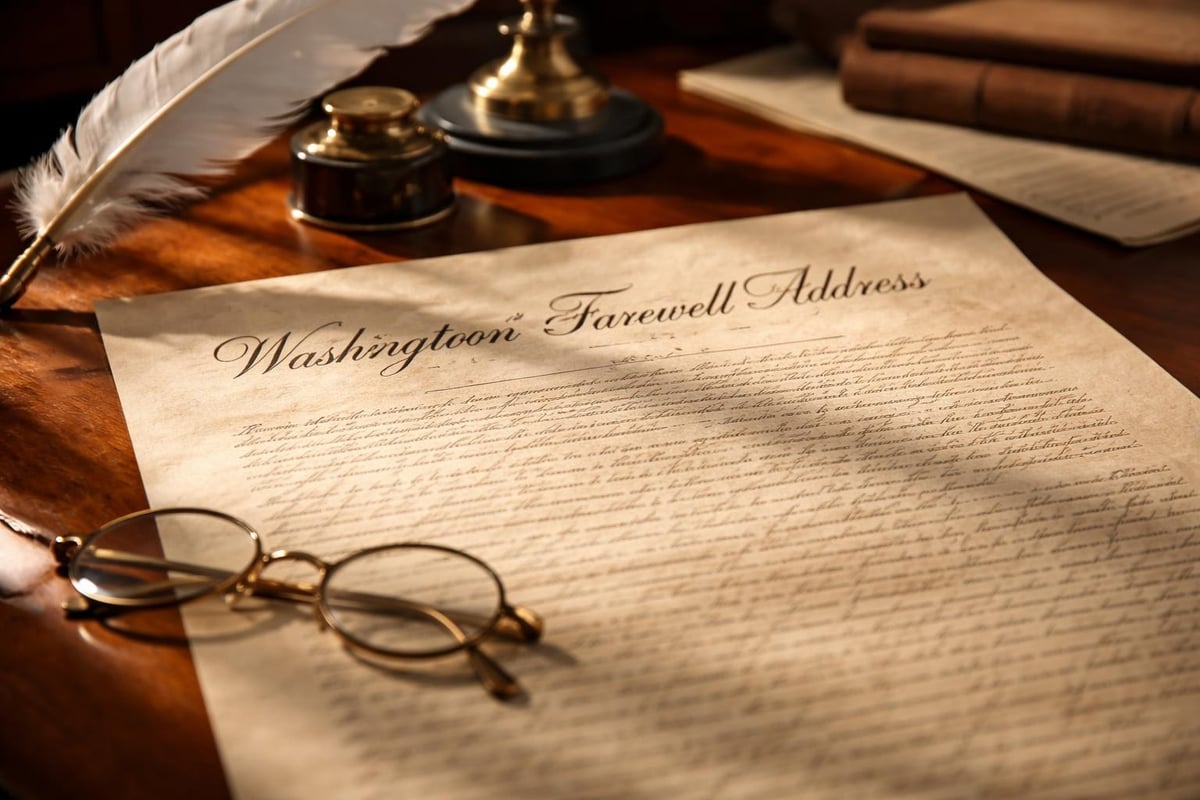
The second half of the washington president years saw increasing partisan tensions as the Federalist and Democratic-Republican parties solidified. Washington grew frustrated with this development, viewing political parties as potentially destructive to national unity. His concerns would be prominently featured in his Farewell Address.
The Farewell Address Legacy
Washington's Farewell Address, published in September 1796, stands as one of the most significant presidential communications in American history. Though he never delivered it as a speech, the document outlined his vision for America's future and warned against specific dangers he perceived.
The address cautioned against:
- Excessive party spirit dividing the nation
- Regional factionalism undermining national unity
- Permanent alliances with foreign nations
- Large public debt endangering fiscal stability
These warnings reflected lessons learned during the washington president years and demonstrated his deep concern for the republic's future. For readers interested in how presidential communication has evolved, U.S. Presidential Report provides ongoing coverage of presidential addresses and their historical context.
Precedents Established During Washington President Years
Perhaps the most significant aspect of the washington president years was the establishment of precedents that defined the presidency. Washington understood that his actions would set standards for future leaders, and he approached this responsibility with great care. The timeline of Washington’s presidency reveals how systematically he built the institutional framework of executive leadership.
The two-term tradition became one of his most enduring legacies. Though not constitutionally mandated during his time, Washington's decision to step down after eight years established a norm that lasted until Franklin Roosevelt's presidency and was later codified in the Twenty-Second Amendment.
Title and Ceremonial Precedents
Washington rejected grandiose titles proposed for the president, preferring the simple "Mr. President." This choice reflected his commitment to republican values and rejection of monarchical trappings. The washington president years established a tone of dignified but accessible leadership that balanced authority with democratic principles.
| Precedent | Decision | Long-term Impact |
|---|---|---|
| Presidential Title | "Mr. President" | Established republican simplicity |
| Term Limit | Two terms maximum | Created informal tradition until 1951 |
| Cabinet System | Advisory department heads | Became core of executive branch |
| Neutrality Doctrine | Avoid European conflicts | Guided foreign policy for decades |
| Farewell Address | Presidential communication | Set standard for leaving office |
His approach to presidential power walked a careful line between effectiveness and restraint. Washington asserted executive authority when necessary but avoided overreach that might establish dangerous precedents for executive tyranny.
Challenges and Controversies
The washington president years were not without significant challenges and criticism. The assumption of state debts under Hamilton's financial plan sparked fierce debate between northern commercial interests and southern agricultural states. Washington's support for this policy drew criticism from those who believed it favored wealthy speculators over common citizens.
The Whiskey Rebellion revealed tensions between federal authority and local autonomy. While Washington's response demonstrated federal power, critics argued that the government overreacted to legitimate grievances about taxation. These debates during the washington president years reflected fundamental questions about federal power that continue to resonate in American politics.
Political Party Formation
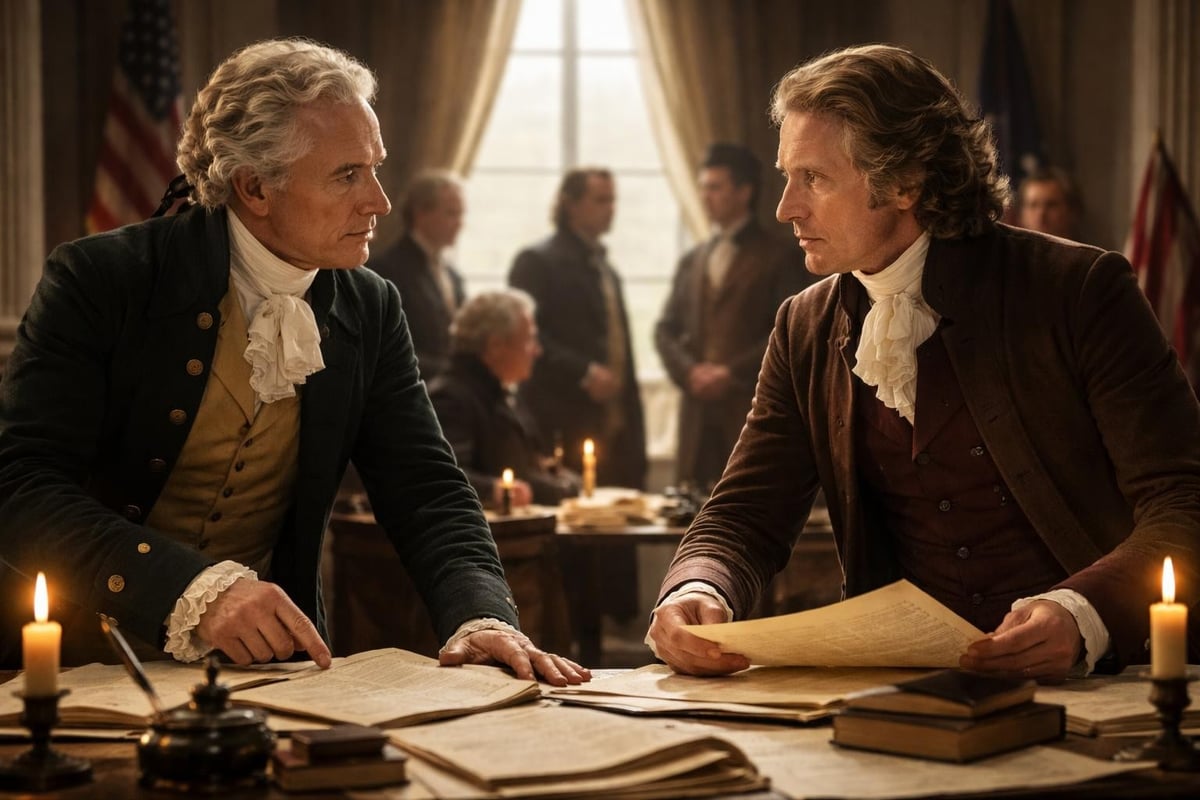
Washington's greatest disappointment during his presidency was the emergence of organized political parties. The philosophical divide between Hamilton's Federalists and Jefferson's Democratic-Republicans created partisan divisions that Washington believed threatened national unity. Despite his efforts to remain above partisan politics, even Washington became associated with Federalist positions by the end of his second term.
The press became increasingly partisan during the washington president years, with newspapers aligned to different political factions attacking opponents. Washington himself became a target of criticism, particularly in Republican newspapers, which was personally painful for someone who valued his reputation for virtue and service.
Personal Leadership Style
Washington's personal qualities significantly shaped the washington president years. His physical presence, dignified bearing, and reputation for integrity gave weight to the office itself. He conducted himself with formal reserve in public, maintaining distance that reinforced presidential authority while occasionally showing warmth in smaller gatherings.
His decision-making process involved careful consultation with advisors, though he ultimately made final decisions independently. Washington read extensively, sought expert advice, and deliberated carefully before acting. This methodical approach sometimes frustrated those seeking quick decisions but generally produced well-considered policies.
Washington's leadership characteristics:
- Integrity – Maintained reputation for honesty and virtue
- Decisiveness – Made difficult choices when necessary
- Restraint – Avoided overreach of executive power
- Consultation – Sought diverse perspectives before deciding
- Vision – Focused on long-term national interests
The washington president years demonstrated that personal character could be as important as policy in shaping the presidency. His example set standards for presidential conduct that future leaders would be measured against.
Economic and Financial Developments
The economic policies implemented during the washington president years established the foundation for American capitalism. Hamilton's financial system created public credit, established a national bank, and promoted manufacturing. These measures transformed the United States from a predominantly agricultural society into an emerging commercial power.
The First Bank of the United States, chartered in 1791, provided a stable currency and facilitated government financial operations. Though controversial, particularly among those who doubted its constitutionality, the bank proved essential for managing the nation's finances. Washington's support for the bank reflected his belief in strong federal institutions.
Revenue generation remained a persistent challenge during the washington president years. The government relied on tariffs and excise taxes, with the whiskey tax proving particularly contentious. These financial policies shaped debates about taxation, federal power, and economic development that continue in American politics today.
Relations with Native Americans
The washington president years included significant but often troubling interactions with Native American nations. Washington sought to establish peaceful relations through treaties, but expansion pressures and conflicts along the frontier repeatedly undermined diplomatic efforts. The administration fought several wars with Native American confederations in the Northwest Territory.
The Battle of Fallen Timbers in 1794 and subsequent Treaty of Greenville in 1795 opened vast territories for American settlement but came at great cost to Native peoples. Washington's Indian policy reflected the contradictions of a leader who spoke of fair treatment while presiding over territorial expansion that displaced indigenous populations.
These aspects of the washington president years reveal the complex and often painful realities of early American expansion. Understanding this history requires acknowledging both Washington's stated intentions and the destructive impacts of policies implemented during his administration.
Judicial Appointments and Legal Framework
Washington's appointments to the federal judiciary had lasting impact on American law. He nominated the first Supreme Court, including Chief Justice John Jay, establishing the judicial branch as a coequal part of government. During the washington president years, he appointed a total of ten Supreme Court justices, though the court's size and role were still evolving.
The Judiciary Act of 1790 organized the federal court system, creating district and circuit courts beneath the Supreme Court. This structure, established during the washington president years, continues to form the basis of the federal judiciary today. Washington's judicial appointments generally favored Federalist perspectives, influencing legal interpretation for years to come.
Military and Defense Policies
Despite his military background, Washington's presidency emphasized civilian control of armed forces. The washington president years saw the establishment of a small standing army and the beginnings of a naval force. Washington balanced the need for defense with republican concerns about military power threatening liberty.
The creation of the Department of the Navy in 1798, just after his presidency, reflected policies initiated during the washington president years. His administration also addressed fortification of ports and coastal defenses, recognizing that American commerce required protection even while maintaining neutrality in European conflicts.
The Transition from Office
Washington's voluntary relinquishment of power stands as one of the most significant acts of the washington president years. In an era when most national leaders served for life, his decision to step down peacefully established the principle of democratic transitions. His post-presidency activities continued to influence national affairs, though he carefully avoided undermining his successor.
The transition to John Adams in 1797 proceeded smoothly, demonstrating that the republic could survive leadership changes. Washington attended Adams's inauguration and then retired to Mount Vernon, setting another precedent for former presidents withdrawing from active politics. This peaceful transfer of power validated the constitutional system and proved that American democracy could function as designed.
The washington president years from 1789 to 1797 established foundational precedents that continue to shape American governance, from Cabinet structure and two-term limits to foreign policy neutrality and peaceful transitions of power. Whether you're researching historical presidential leadership or following current executive branch developments, U.S. Presidential Report provides comprehensive, non-partisan coverage of both past and present American presidents, helping readers understand how historical precedents inform contemporary politics.